USAID DEC
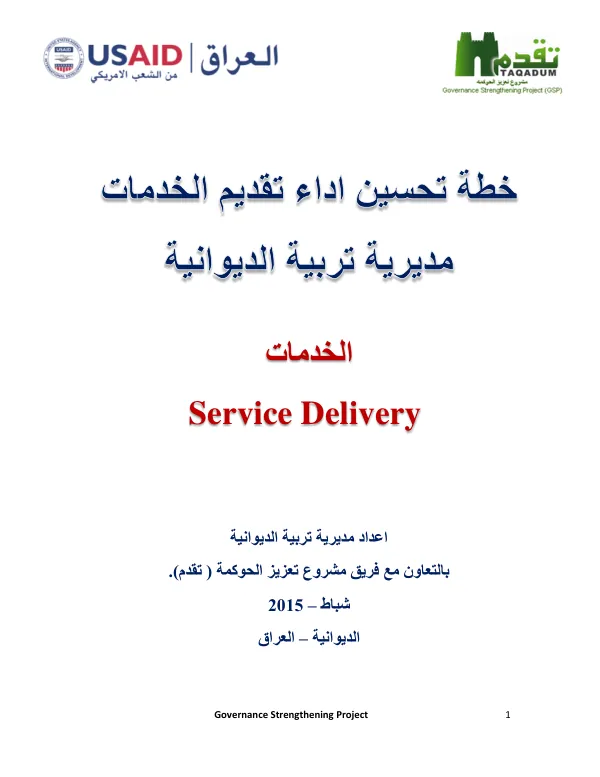
Strategic Planning for Higher Education: A Guide for Al-Azhar University
Strategic planning is a crucial process for academic units to build on areas of strength, address weaknesses, and create a plan to achieve superior results.
2016 · 26 pages
Sign in to readA free account is required to download.
Abstract
This process helps an academic unit fulfill its mission, focus on developing goals and strategies, and utilize resources effectively. Strategic planning is vital to the success of academic units, as it provides a framework for intentional activities and benchmarks to monitor progress. The inquiry cycle is a key component of strategic planning, consisting of three stages: Identify/Examine, Evaluate/Assess, and Implement/Respond. This cycle enables academic units to gather information, assess their strengths and weaknesses, and develop strategies to address challenges. Strategic planning is influenced by various internal and external factors, including academic and unit history, budget, human resource capacity, internal politics, organizational culture, higher education systems, national politics, cultural differences, societal needs and demands, and resource dependency. A Portfolio of Strategic Planning (PoSP) is a documentation receptacle that stores and organizes data about planning, performance, and results. The PoSP may contain various documents, such as the faculty of education's mission statement, institutional vision statement, budget, publicity plan, data from self-assessment, timeline for the strategic planning process, draft strategic plan, and minutes and notes from the strategic planning committee. Typically, there are eight stages involved in strategic planning: pre-planning, developing the planning process, producing the strategic planning document, publicizing the plan, getting the plan approved, implementing the plan, monitoring and evaluating the plan, and institutionalizing strategic planning. The pre-planning stage involves appointing a committee, enacting pre-launch consultations, and laying the groundwork for the strategic planning process. During the pre-planning stage, the committee should focus on building collaboration and communication across campus, fostering creative ideas, and creating a shared understanding of the strategic planning process. The committee should also consult with a broad spectrum of constituent leaders from throughout the campus community to create support for the need to engage in strategic planning. In the developing the planning process stage, the committee should review the pre-existing mission, vision, and goals of the academic unit. They should consider questions such as whether the existing vision reflects the goals of the academic unit, whether the goals reflect the vision, and whether the vision is appropriate for the current environment. The committee should also assess the academic unit's strengths and weaknesses, successes and failures, challenges and obstacles, and opportunities. The committee should work collegially to respond to these queries and develop or revise the mission and vision statements, along with appropriate goals and objectives. A high degree of consensus on the basic goals is essential for the success of the strategic plan.