FEWS NET
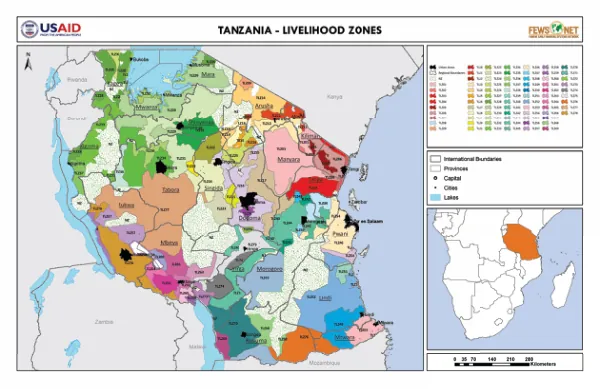
Tanzania - Livelihood Zones
The region's agricultural sector was characterized by small-scale farming, with the majority of farmers relying on rain-fed agriculture and lacking access to modern inputs and technologies.
2009 · 1 pages
Sign in to readA free account is required to download.
Abstract
The training programs emphasized the importance of conservation agriculture, integrated pest management, and post-harvest handling techniques. The initiative's emphasis on women's empowerment and social inclusion was seen as a key factor in the program's success. By providing training and support to women farmers, the initiative aimed to improve their economic and social status. The evaluation also highlighted the importance of integrating market access interventions with agricultural training and support. By improving farmers' access to markets and increasing their income, the initiative aimed to reduce poverty and improve food security in Rwanda. The initiative's geographic focus was on Eastern Province, where the majority of Rwanda's agricultural production takes place. The program's implementation was carried out in collaboration with local government authorities, NGOs, and private sector partners. The initiative's timeframes were set for a three-year period, with the first year focused on implementation and the second and third years dedicated to evaluation and scaling up.
Classification
- Document type