USAID DEC
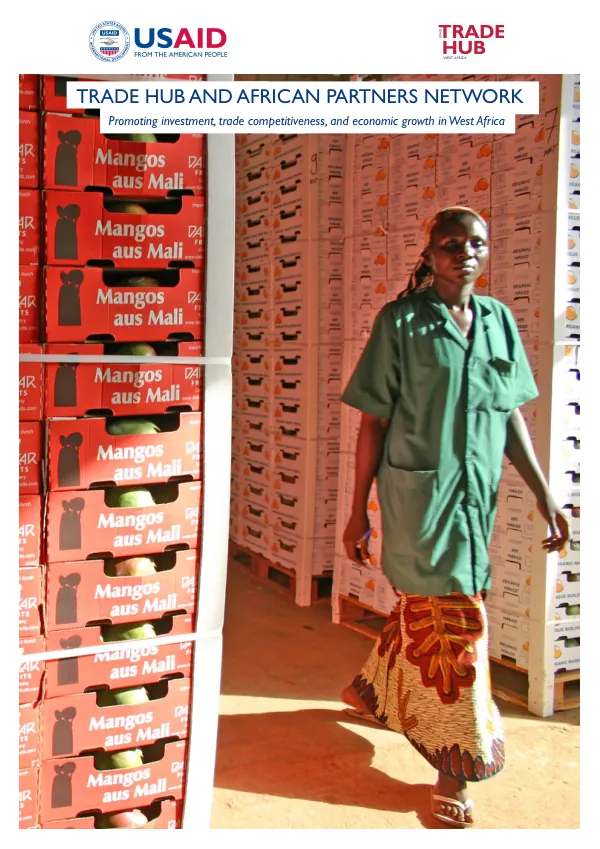
Trade Hub and African Partners Network
The Trade Hub and African Partners Network is a regional initiative aimed at promoting investment, trade competitiveness, and economic growth in West Africa.
2014 · 4 pages
Sign in to readA free account is required to download.
Abstract
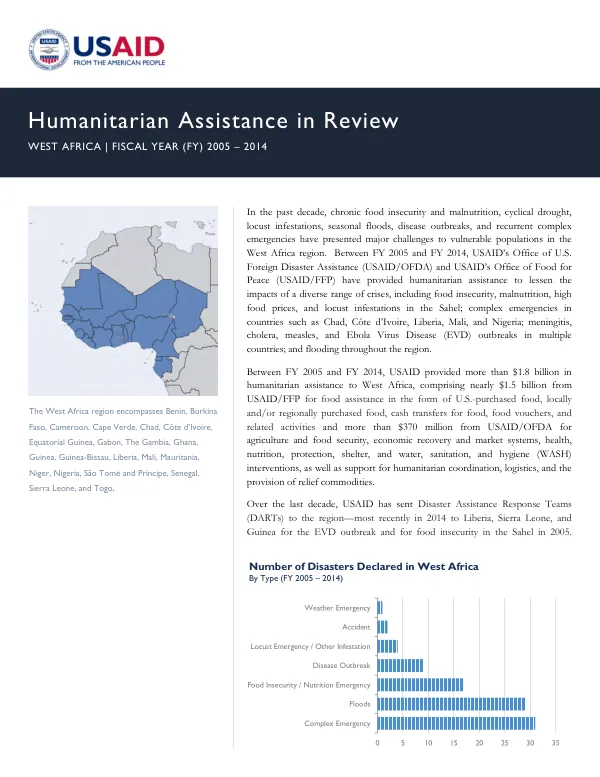
The program focuses on improving private sector capacity of farmers and firms by addressing constraints to targeted value chains. Key areas of intervention include improving the business enabling environment by addressing economy-wide constraints such as transport and trade barriers. The Trade Hub targets staple and value-added foods, with a goal of increasing the value of trade from these commodities by 50% over a five-year period. This is expected to create 23,000 new jobs and attract $102.5 million in new investments. The program also aims to reduce poverty by boosting globally traded value-added exports such as cashews, mango, shea, and apparel. To achieve these objectives, the Trade Hub works with regional partners to promote increased regional trade in key commodities like maize, livestock, and rice. The program also supports farmers and firms to meet product quality grades and standards necessary to supply international markets. This includes developing smallholder farmers' capacity to meet international processors' grading, handling, and sorting requirements and regulations for targeted staple foods. The Trade Hub also connects producers to value-chain leaders in regional and world markets by building the capacity of agricultural associations and private sector organizations to build linkages with regional and international buyers. Additionally, the program improves access and use of market information systems (MIS) by building awareness and understanding of available market information systems and training farmers and firms on their uses. Capacity building is a key component of the Trade Hub's approach, with a focus on growing the capacities of regional partners in essential areas and improving their performance in increasing productivity and trade in regional and global value chains. The program also addresses gender inequalities in targeted value chains, promoting women and men's equal participation in and benefits from regional trade. The Trade Hub operates in 16 countries in West Africa, including Mauritania, Mali, Niger, Nigeria, Chad, Cameroon, Burkina, Gabon, Liberia, Sierra Leone, Guinea, Senegal, The Gambia, Guinea Bissau, Equatorial Guinea, Togo, Benin, Cape Verde, Sao Tome and Principe, and Côte d'Ivoire. The program has established partnerships with various regional and international organizations, including the African Cashew Alliance, AGOA/Trade Resource Centers, Association Afrique Agro Export, and the Economic Community of West African States. The Trade Hub has offices in Accra, Ghana, and Dakar, Senegal, with a third office located in Ouagadougou, Burkina Faso. The program's contact information includes phone numbers and addresses for each office.