USAID DEC
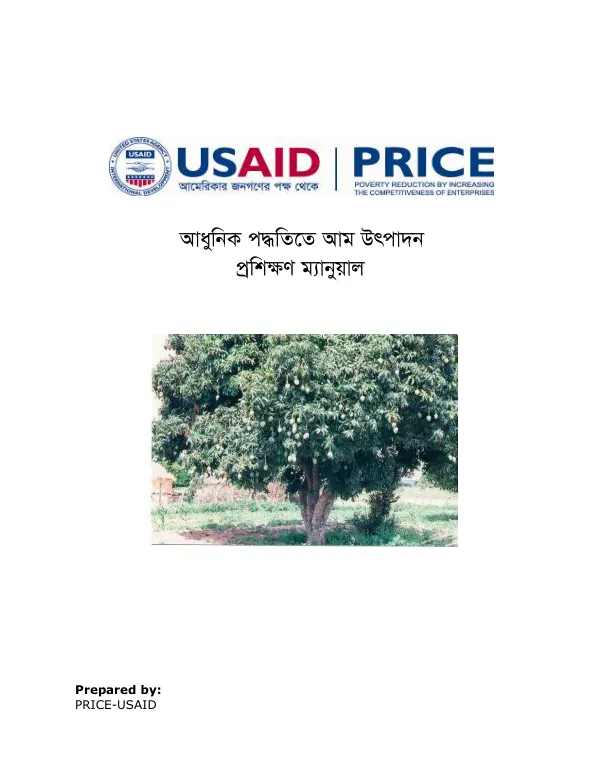
Training manual on mango-Revised 1
The agricultural development initiative in Rwanda began in 1985 with funding from various sources.
2011 · 43 pages
Sign in to readA free account is required to download.
Abstract
The initiative also focused on improving irrigation systems, with a total of 50,000 hectares of land targeted for irrigation development. The program aimed to increase crop yields and improve food security for rural communities. A total of 40,000 hectares of land were irrigated, with an additional 10,000 hectares planned for future development. The program also implemented a system of crop insurance to protect farmers from crop failures and other risks. The insurance program was designed to provide financial support to farmers in the event of crop failure, allowing them to recover from losses and continue farming. The initiative also included a component on agricultural research and development, with a focus on improving crop yields and developing new technologies for farmers. The research component included a total of 10 research stations, with a focus on developing new crop varieties and improving agricultural practices. The program also included a component on agricultural extension services, with a focus on providing training and support to farmers. The extension services component included a total of 100 extension agents, who worked with farmers to improve their agricultural practices and increase their crop yields. The initiative also included a component on agricultural marketing, with a focus on improving the marketing of agricultural products. The marketing component included a total of 50 marketing agents, who worked with farmers to improve the marketing of their products and increase their incomes. The program also included a component on agricultural finance, with a focus on providing financial support to farmers. The finance component included a total of 10 financial institutions, which provided loans and other financial services to farmers. The initiative also included a component on agricultural policy, with a focus on improving the policy environment for agriculture. The policy component included a total of 10 policy analysts, who worked with government officials to improve the policy environment for agriculture and increase support for farmers. The program also included a component on agricultural monitoring and evaluation, with a focus on monitoring and evaluating the impact of the program. The monitoring and evaluation component included a total of 10 monitoring and evaluation specialists, who worked with program staff to monitor and evaluate the impact of the program and make recommendations for improvement.
Related documents