USAID
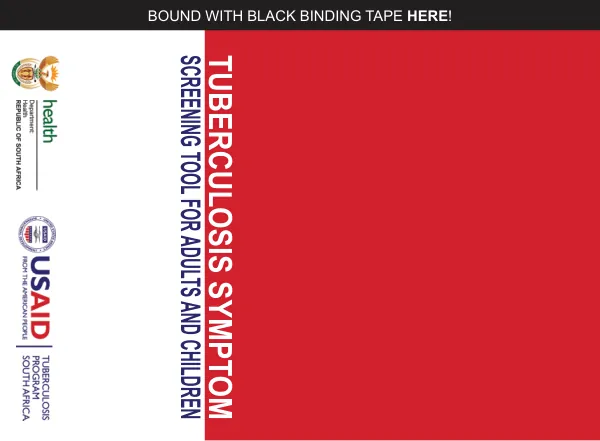
TUBERCULOSIS SYMPTOM SCREENING TOOL FOR ADULTS AND CHILDREN
Tuberculosis (TB) is a bacterial infection caused by Mycobacterium tuberculosis that primarily affects the lungs.
4 pages
Sign in to readA free account is required to download.
Abstract
However, it can also affect other parts of the body, such as the kidneys, spine, and brain. TB is a major public health concern worldwide, particularly in low- and middle-income countries. Symptoms of TB can vary depending on the location and severity of the infection. Common symptoms include coughing, chest pain, weight loss, fatigue, and fever. In severe cases, TB can lead to respiratory failure, meningitis, or sepsis. TB is typically diagnosed through a combination of clinical evaluation, chest X-rays, and laboratory tests, such as sputum smear microscopy, culture, and molecular tests. The most common method of diagnosis is sputum smear microscopy, which involves examining a sample of sputum under a microscope for the presence of TB bacteria. TB is usually treated with a combination of antibiotics, including isoniazid, rifampicin, pyrazinamide, and ethambutol. The treatment regimen typically lasts for 6-9 months and requires strict adherence to prevent the development of drug-resistant TB. Prevention of TB involves a combination of measures, including vaccination with the Bacille Calmette-Guérin (BCG) vaccine, which is effective in preventing severe forms of TB in children. Other prevention strategies include improving ventilation in crowded areas, using masks, and practicing good hygiene. TB is a significant public health concern, particularly in areas with high prevalence and limited resources. Efforts to control and prevent TB require a comprehensive approach that includes improved diagnosis, treatment, and prevention strategies, as well as increased awareness and education among healthcare providers and the general public. The World Health Organization (WHO) has established a global strategy to control TB, which includes improving access to diagnosis and treatment, strengthening health systems, and promoting research and development of new TB diagnostic and treatment tools. The WHO also recommends the use of molecular tests, such as the Xpert MTB/RIF assay, to improve TB diagnosis and treatment outcomes. In addition to the WHO's global strategy, many countries have implemented their own TB control programs, which often include a combination of public and private sector initiatives. These programs aim to improve TB diagnosis and treatment, as well as promote prevention and control measures, such as vaccination and improved ventilation. Overall, TB is a significant public health concern that requires a comprehensive and coordinated approach to control and prevent. Efforts to improve TB diagnosis, treatment, and prevention strategies, as well as increase awareness and education among healthcare providers and the general public, are essential to reducing the burden of TB worldwide.