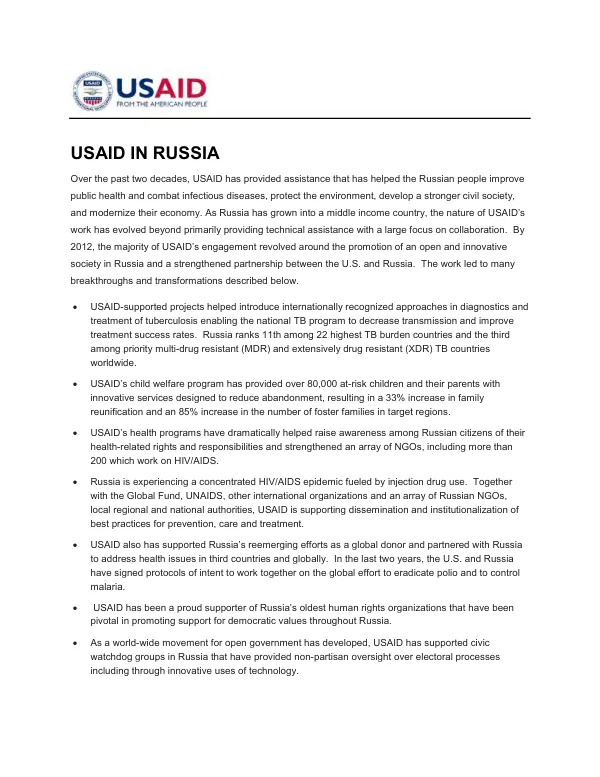
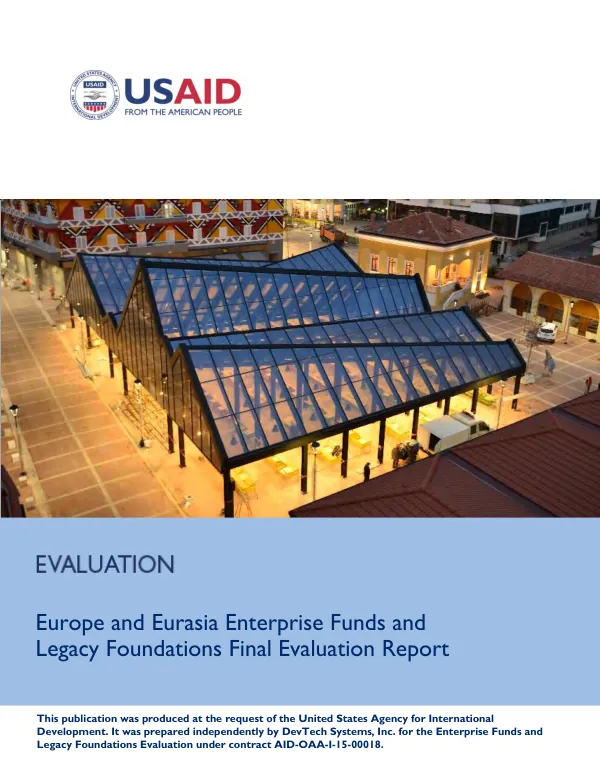
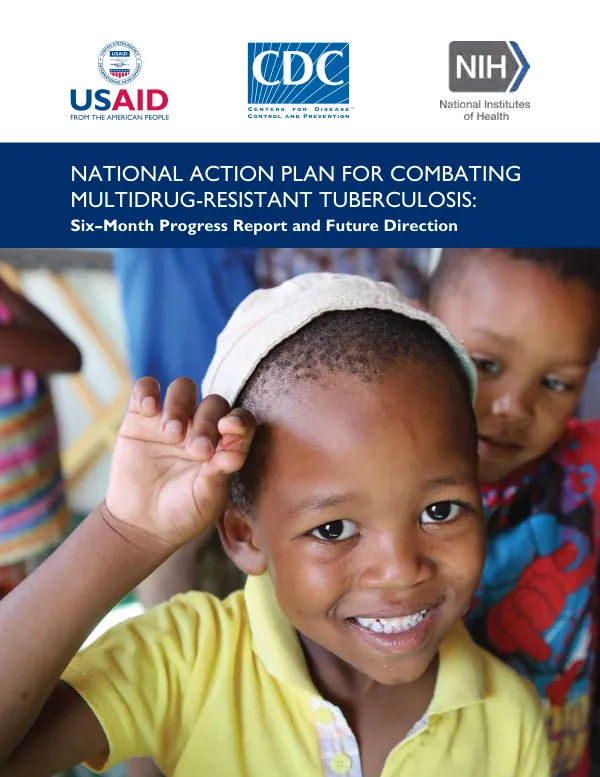
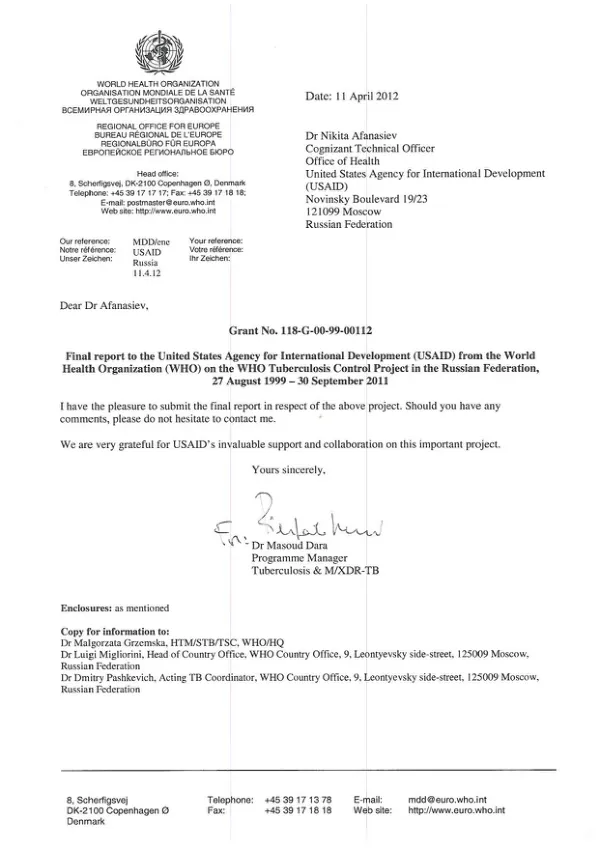
USAID
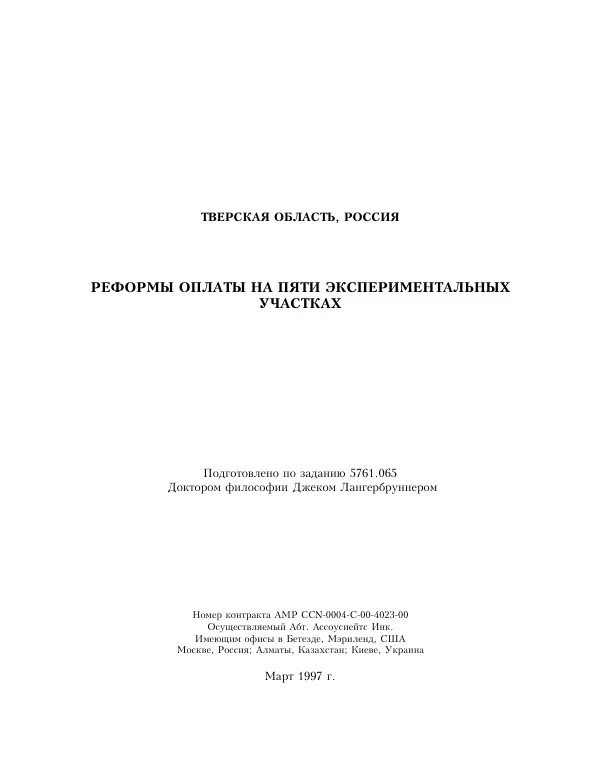
Tver Oblast, Russia: Payment Reform in Five Pilot Sites
Over 2,500 farmers received training in sustainable agriculture practices, with a focus on crop rotation, composting, and conservation agriculture.
95 pages
Sign in to readA free account is required to download.
Abstract
The program's success can be attributed to the effective integration of agricultural and market access interventions, as well as the strong engagement of local communities in the planning and implementation process. The initiative's focus on sustainable agriculture practices and women's empowerment has contributed to improved livelihoods and food security for rural households in Eastern Province. The program's impact on rural livelihoods and food security is a testament to the effectiveness of integrated agricultural development initiatives in addressing poverty and food insecurity. The initiative's success has also highlighted the importance of community engagement and participation in the planning and implementation process. The program's focus on sustainable agriculture practices has contributed to improved soil health, soil fertility, and biodiversity in the target communities. The initiative's emphasis on women's empowerment has also contributed to improved gender equality and social inclusion in rural areas. The program's impact on rural livelihoods and food security is a critical component of Rwanda's efforts to achieve the Sustainable Development Goals (SDGs). The initiative's success has also highlighted the importance of integrated agricultural development initiatives in addressing poverty and food insecurity in rural areas. The program's focus on sustainable agriculture practices has contributed to improved soil health
Related documents