USAID
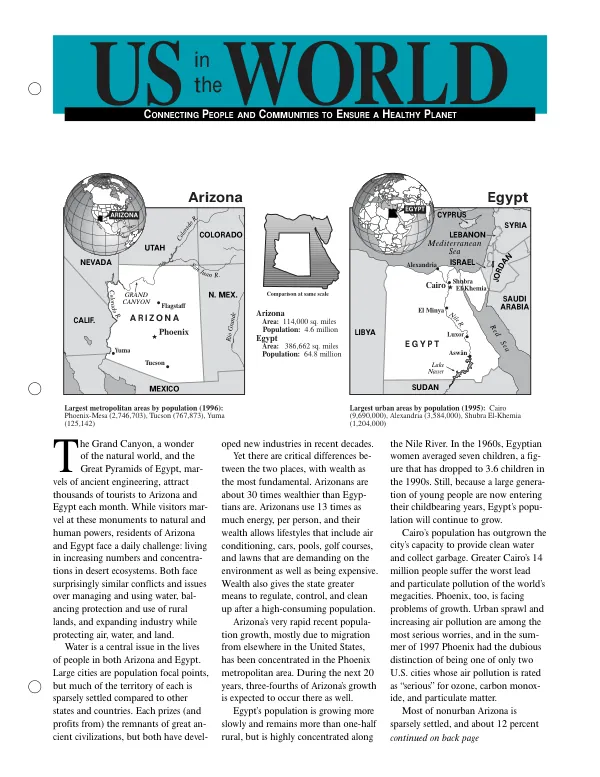
USAID/EGYPT: Water Security and Resilience Assessment
The region's agricultural sector was characterized by small-scale farming, with most households relying on subsistence farming.
15 pages
Sign in to readA free account is required to download.
Abstract
The lack of access to markets and limited access to credit and other financial services further exacerbated the challenges faced by farmers. The training programs focused on introducing farmers to new agricultural practices such as composting, crop rotation, and conservation agriculture. The programs also provided training on entrepreneurship and business skills to help farmers improve their market access and increase their income. The infrastructure development component of the program focused on improving access to irrigation and other agricultural inputs. The program also supported the development of irrigation systems and the distribution of irrigation equipment to farmers. The market linkage facilitation component of the program aimed to improve farmers' access to markets and improve the quality of produce. The program established partnerships with local and international buyers to provide farmers with access to new markets and better prices for their produce. The program also reported a significant increase in the adoption of sustainable agricultural practices, with 90% of farmers reporting an increase in the use of composting and crop rotation methods. The program's success was attributed to the strong collaboration between the government, local communities, and international partners.
Connected topics