RTI INTERNATIONAL
USAID PRIORITAS Annual Report 2013
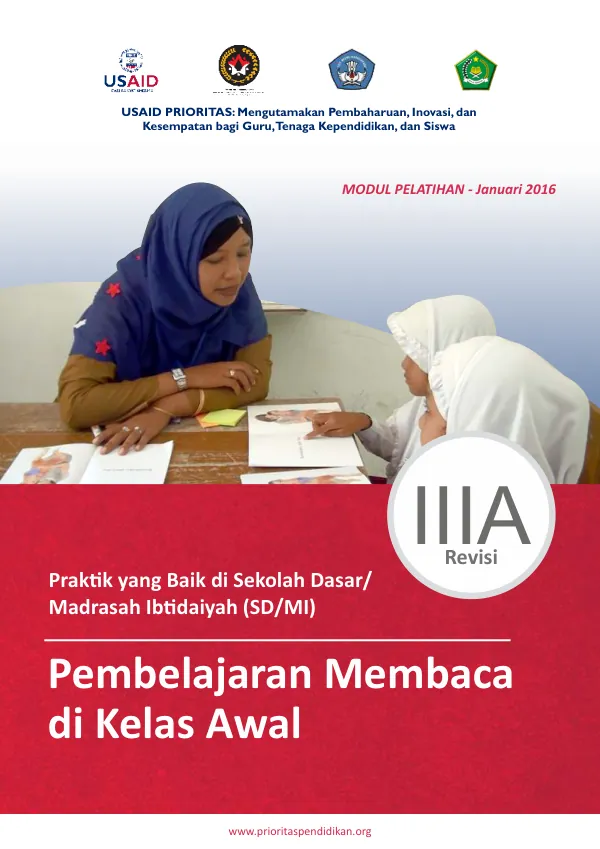
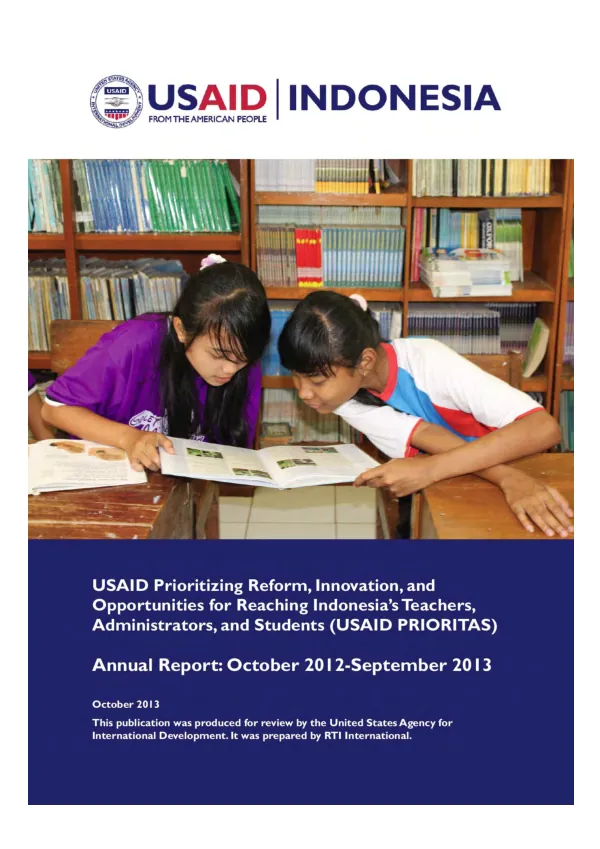
The USAID PRIORITAS project in Indonesia aimed to improve the quality of education by strengthening instruction in schools, working with the government, and promoting education policy reform.
2013 · 100 pages
Sign in to readA free account is required to download.
Abstract
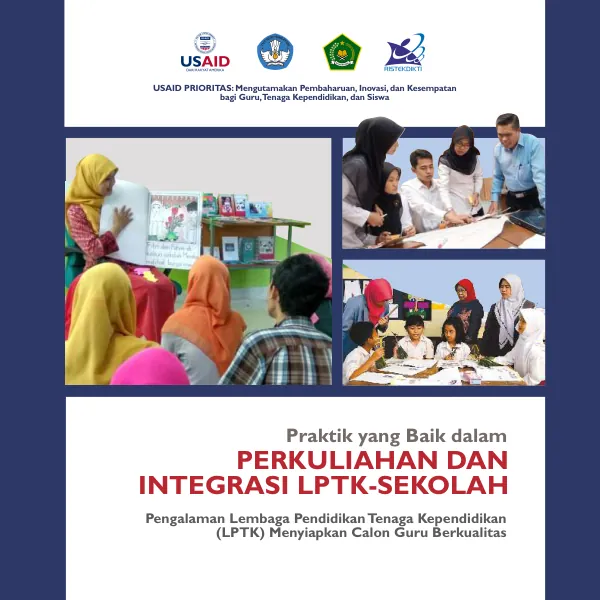
The project was implemented in 15 partner districts, including Papua, and involved 2,500 schools, 15,000 teachers, and 150,000 students. The project's main objectives were to improve student learning outcomes, particularly in reading and mathematics, and to enhance the capacity of teachers and school administrators. To achieve these objectives, the project implemented a range of activities, including whole-school development, early grades reading, and teacher training. The project also worked closely with the government of Indonesia to strengthen education policy and governance. Whole-school development was a key component of the project, with a focus on improving instructional practices, school management, and community engagement. The project trained over 1,000 provincial facilitators and 15,000 primary school facilitators in whole-school development, with a particular emphasis on early grades reading. The project also established a network of teacher training institutions to provide ongoing support to teachers. The project's monitoring and evaluation activities included baseline monitoring, specific findings and conclusions, and a review of monitoring and evaluation indicators. The project's communications strategy included monthly media coverage, project videos, a project website, a newsletter, a factsheet, and training manuals. Despite challenges, including changes in government personnel and policy, the project made significant progress in improving student learning outcomes and enhancing the capacity of teachers and school administrators. The project's plans for fiscal year 2013-2014 included continuing to work with the government to strengthen education policy and governance, expanding the project's reach to more districts, and improving the quality of teacher training. The project's geographic scope included 15 partner districts, with a focus on improving education outcomes in rural and disadvantaged areas. The project's direct beneficiaries included 2,500 schools, 15,000 teachers, and 150,000 students. The project's implementation was supported by a team of project staff, including project managers, coordinators, and technical experts. The project's governance, management, and linkages activities included studies of district capacity and the role of the province, teacher deployment, school finance reporting, and other activities. The project's education policy workshop brought together stakeholders to discuss education policy reform and the role of the government in improving education outcomes. The project's dissemination activities included monthly media coverage, project videos, a project website, a newsletter, a factsheet, and training manuals. The project's monitoring and evaluation activities included baseline monitoring, specific findings and conclusions, and a review of monitoring and evaluation indicators. The project's challenges included responding to government requests for assistance, changes in government personnel and policy, quality versus quantity, videos and ICT, and Papua. The project's plans for fiscal year 2013-2014 included continuing to work with the government to strengthen education policy and governance, expanding the project's reach to more districts, and improving the quality of teacher training.