ABT ASSOCIATES
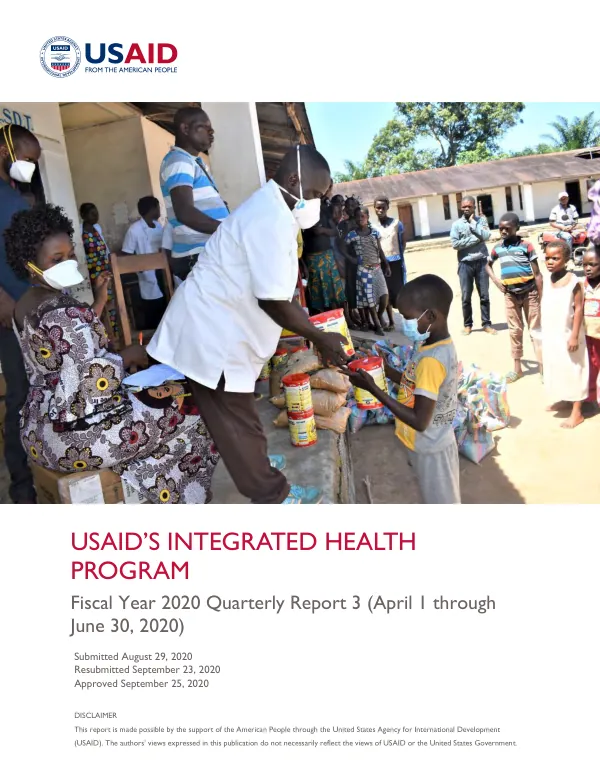
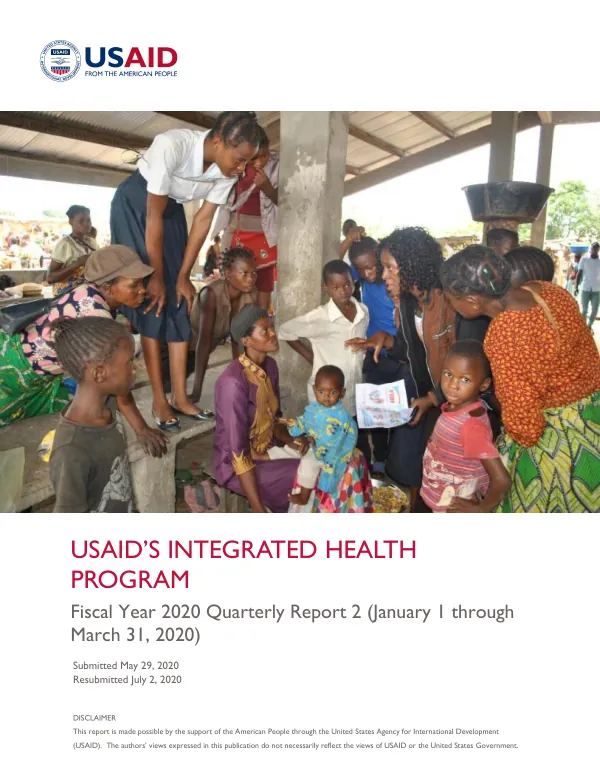
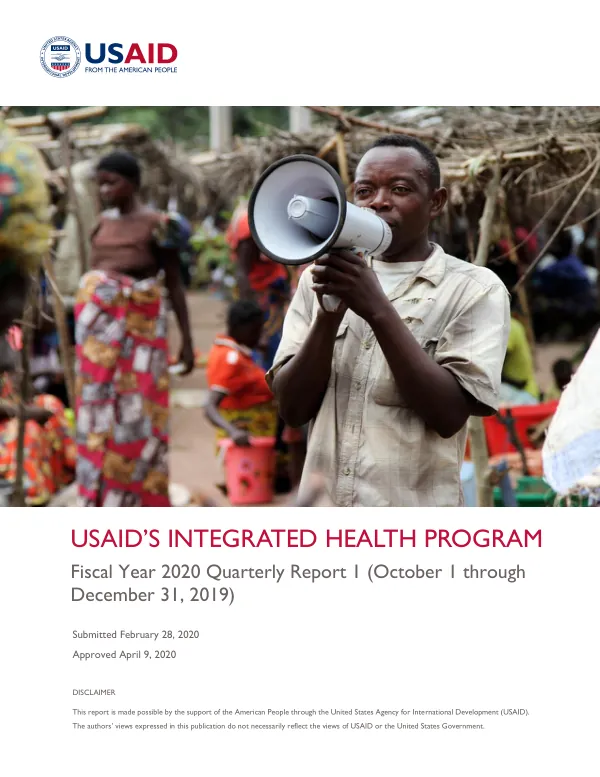
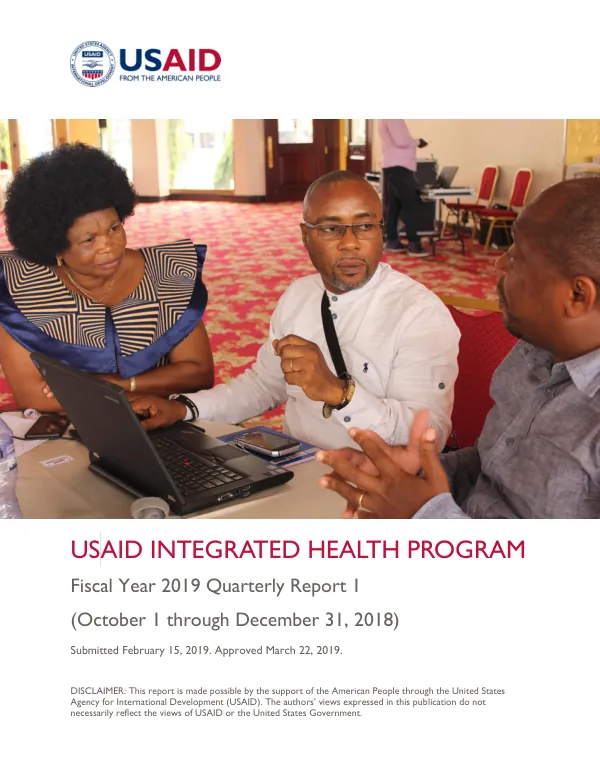
USAID’s Integrated Health Program Fiscal Year (FY) 2020 Annual Report
The Integrated Health Program in the Democratic Republic of the Congo began in October 2019 and concluded in September 2020.
2020 · 221 pages
Sign in to readA free account is required to download.
Abstract
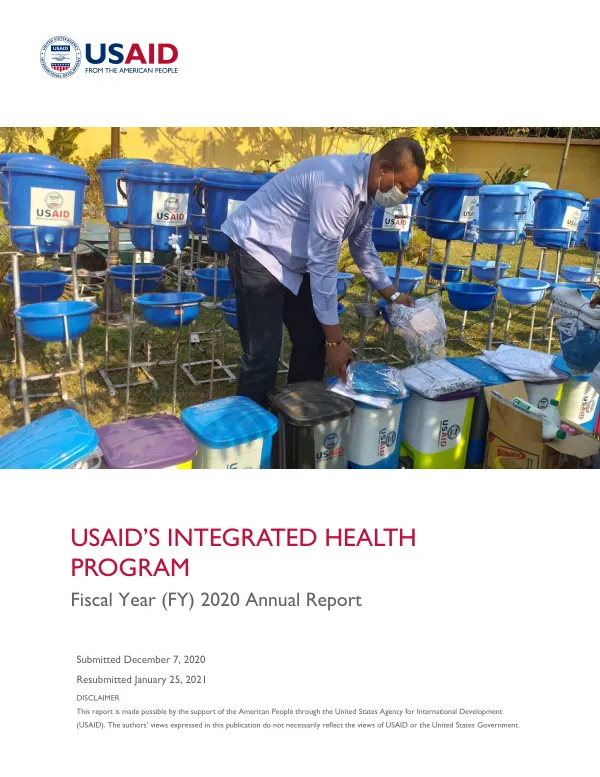
The program aimed to improve health outcomes in the country by enhancing the capacity of provincial, health zone, and facility levels to plan, implement, and monitor health services. The program also focused on improving transparency and oversight in health service financing and administration, as well as strengthening the capacity of community service organizations and community structures to provide health system oversight. The program was implemented in partnership with several organizations, including the International Rescue Committee, Pathfinder International, and BlueSquare. The program's geographic scope included the Kasai-Oriental province, where a significant portion of the program's activities took place. The program's objectives were aligned with the USAID's goals for improving health outcomes in the Democratic Republic of the Congo. One of the key program areas was malaria control, which involved the distribution of portable handwashing stations to 22 general referral hospitals in Kasai-Oriental province. The program also focused on maternal, neonatal, and child health, including maternal and newborn health, promoting essential newborn care, and maternal death surveillance and response. Additionally, the program addressed child health, immunization, nutrition, reproductive health and family planning, tuberculosis, and water, sanitation, and hygiene. The program's implementation involved several strategies, including training and capacity building for health workers, infrastructure development, and the provision of essential commodities. The program also focused on improving disease surveillance and strategic information gathering and use, as well as strengthening collaboration between central and decentralized levels through the sharing of best practices and contributions to policy dialogue. The program's results showed significant improvements in health outcomes, including a 27% increase in the availability of quality, integrated facility-based health services and a 25% increase in the availability of quality, integrated community-based health services. The program also reported a 30% reduction in malaria-related deaths and a 20% increase in the number of children under the age of five who received vaccinations. The program's lessons learned highlighted the importance of community engagement and participation in health program implementation. The program also emphasized the need for strengthened collaboration between central and decentralized levels to ensure the sustainability of health programs. Additionally, the program noted the importance of investing in health infrastructure and the provision of essential commodities to improve health outcomes. The program's geographic focus was on the Kasai-Oriental province, where the program's activities were concentrated. The program's timeframes were from October 2019 to September 2020, during which the program achieved significant improvements in health outcomes. The program's recommendations emphasized the need for continued investment in health infrastructure and the provision of essential commodities to ensure the sustainability of health programs in the Democratic Republic of the Congo.