U.S. FOREST SERVICE
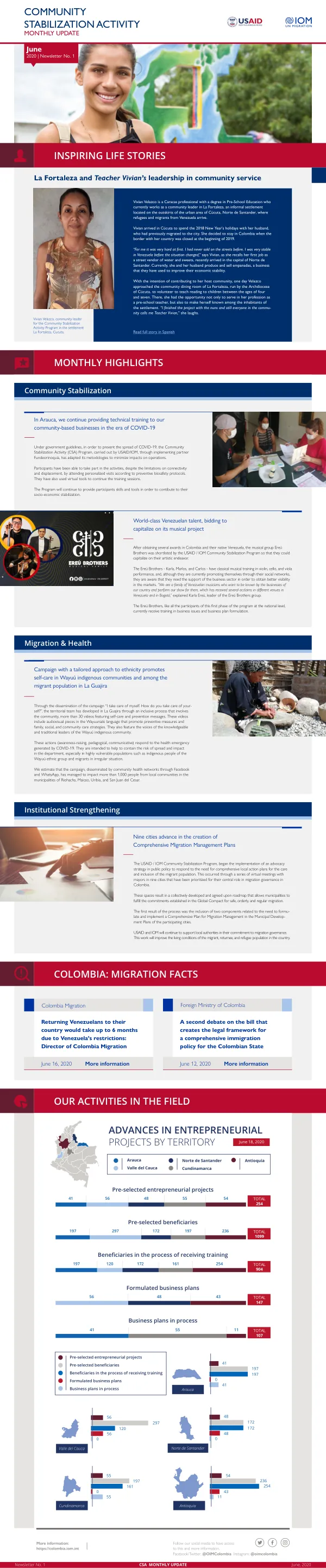
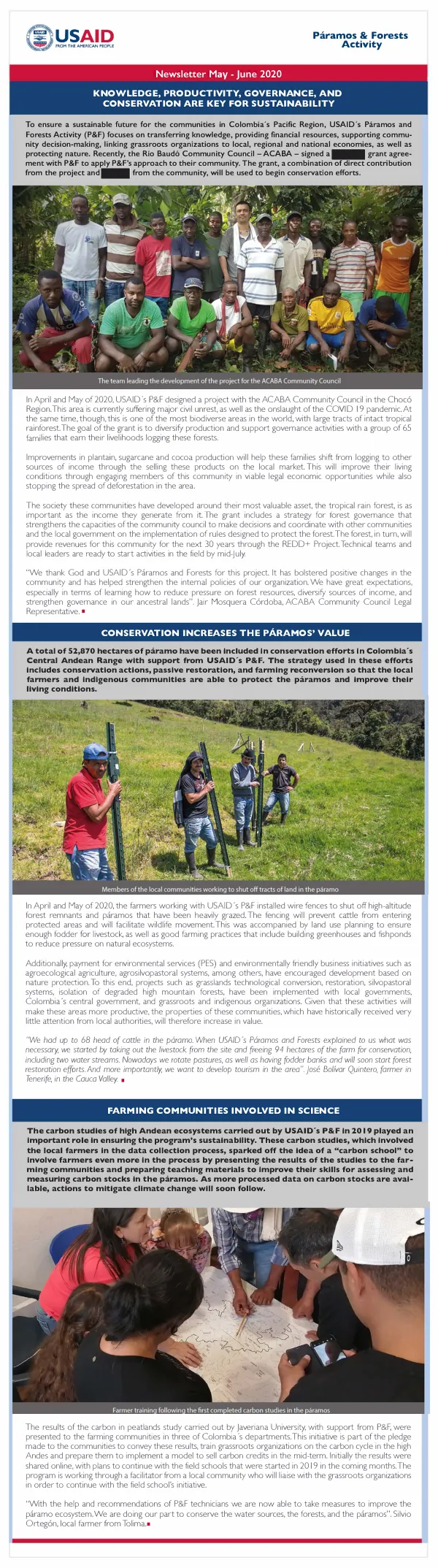
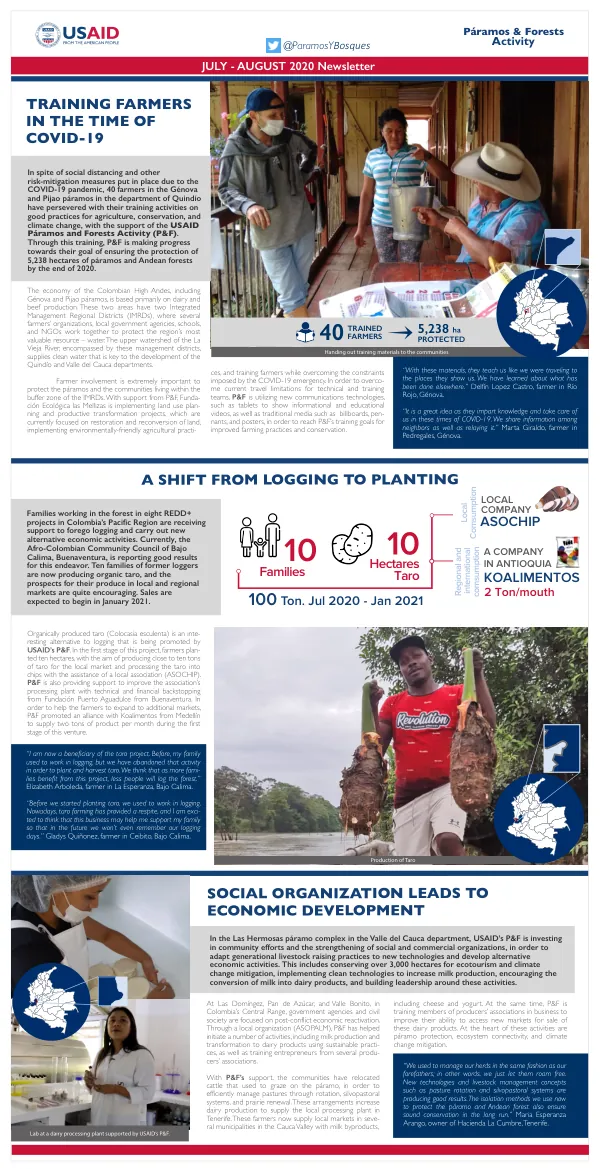
USAID's Páramos and Forests Activity Newsletter: May - June 2019
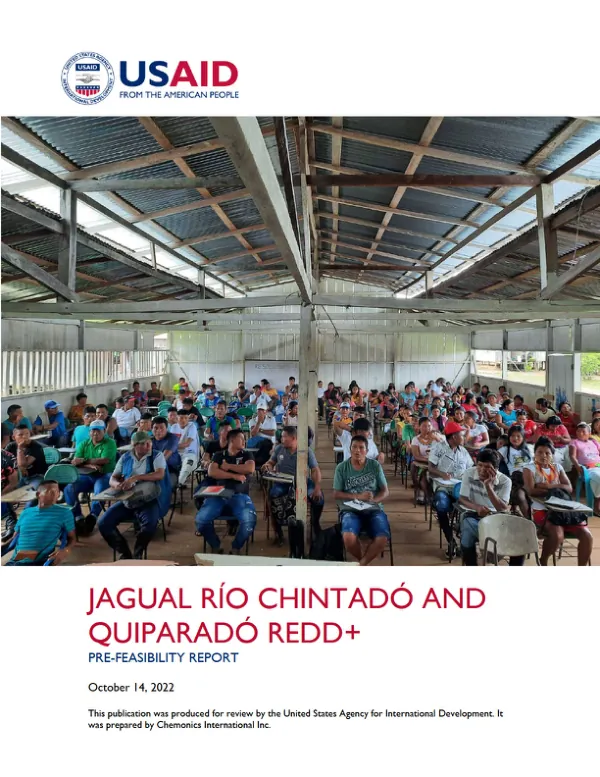
The USAID Páramos and Forests Activity has been supporting the implementation of eight REDD+ projects in Colombia since 2012.
2019 · 1 pages
Sign in to readA free account is required to download.
Abstract
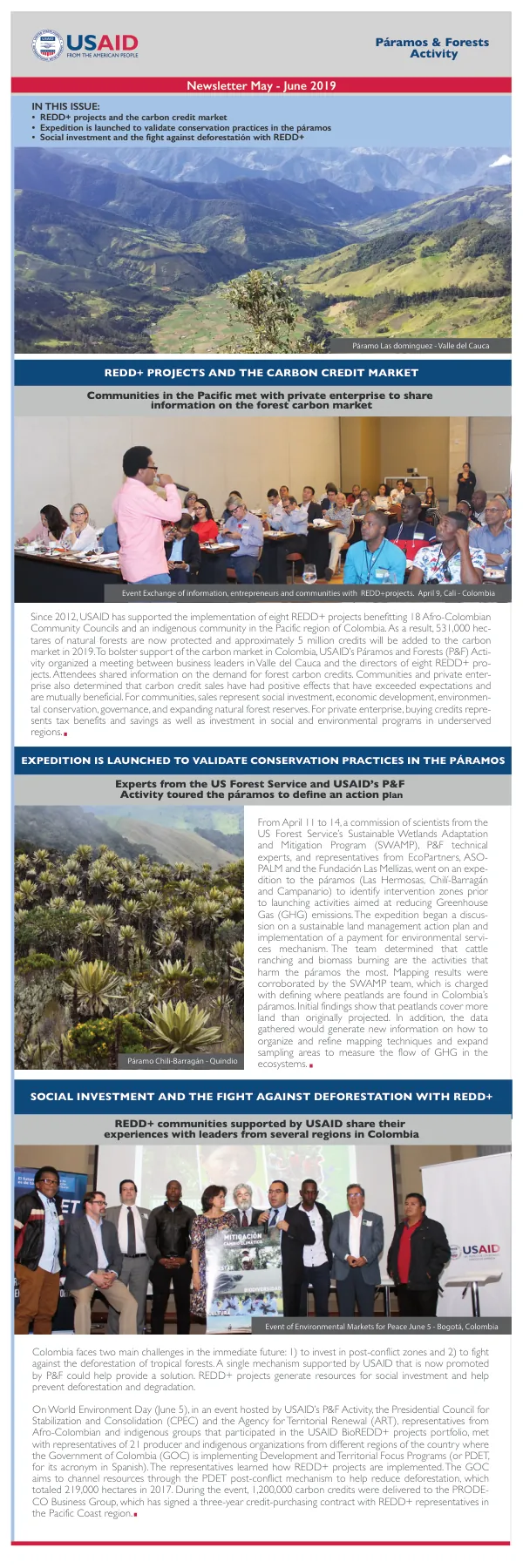
These projects have benefited 18 Afro-Colombian Community Councils and an indigenous community in the Pacific region of Colombia. As a result, 531,000 hectares of natural forests are now protected, and approximately 5 million credits will be added to the carbon market in 2019. A meeting was organized by USAID's Páramos and Forests Activity between business leaders in Valle del Cauca and the directors of eight REDD+ projects. Attendees shared information on the demand for forest carbon credits, and communities and private enterprise determined that carbon credit sales have had positive effects that have exceeded expectations. For communities, sales represent social investment, economic development, environmental conservation, governance, and expanding natural forest reserves. For private enterprise, buying credits represents tax benefits and savings as well as investment in social and environmental programs in underserved regions. A commission of scientists from the US Forest Service's Sustainable Wetlands Adaptation and Mitigation Program (SWAMP), P&F technical experts, and representatives from EcoPartners, ASO-PALM, and the Fundación Las Mellizas went on an expedition to the páramos from April 11 to 14. The team identified intervention zones prior to launching activities aimed at reducing Greenhouse Gas (GHG) emissions. The expedition began a discussion on a sustainable land management action plan and implementation of a payment for environmental services mechanism. The team determined that cattle ranching and biomass burning are the activities that harm the páramos the most. Mapping results were corroborated by the SWAMP team, which is charged with defining where peatlands are found in Colombia's páramos. Initial findings show that peatlands cover more land than originally projected. The USAID Páramos and Forests Activity organized an event on April 9 in Cali, Colombia, where representatives from Afro-Colombian and indigenous groups that participated in the USAID BioREDD+ projects portfolio met with representatives of 21 producer and indigenous organizations from different regions of the country. The representatives learned how REDD+ projects are implemented, and the Government of Colombia aims to channel resources through the PDET post-conflict mechanism to help reduce deforestation, which totaled 219,000 hectares in 2017. During the event, 1,200,000 carbon credits were delivered to the PRODECO Business Group, which has signed a three-year credit-purchasing contract with REDD+ representatives in the Pacific Coast region. The USAID Páramos and Forests Activity has been working to support the implementation of REDD+ projects in Colombia, which generate resources for social investment and help prevent deforestation and degradation. On World Environment Day, June 5, an event was hosted by USAID's P&F Activity, the Presidential Council for Stabilization and Consolidation (CPEC), and the Agency for Territorial Renewal (ART), where representatives from Afro-Colombian and indigenous groups shared their experiences with leaders from several regions in Colombia. The event aimed to promote the use of REDD+ projects as a mechanism to support social investment and fight against deforestation in post-conflict zones.