USAID
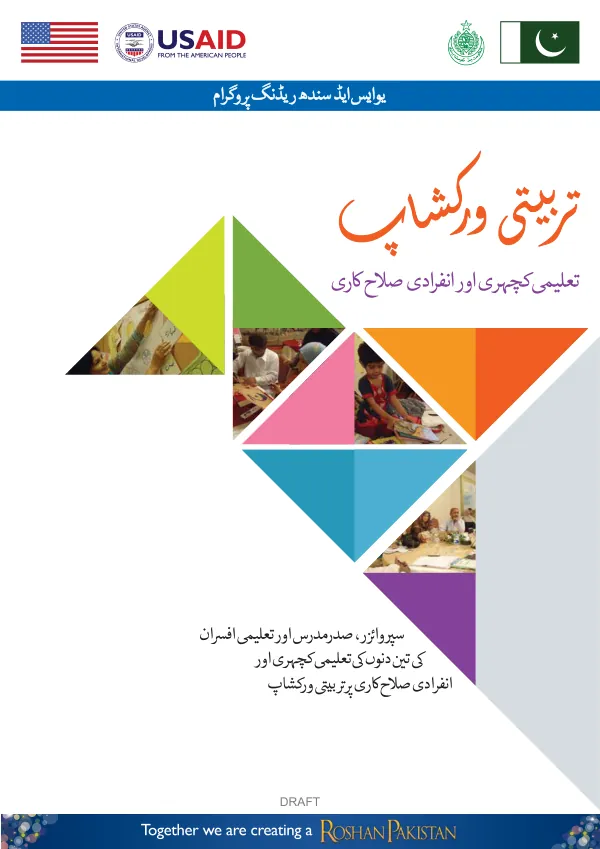
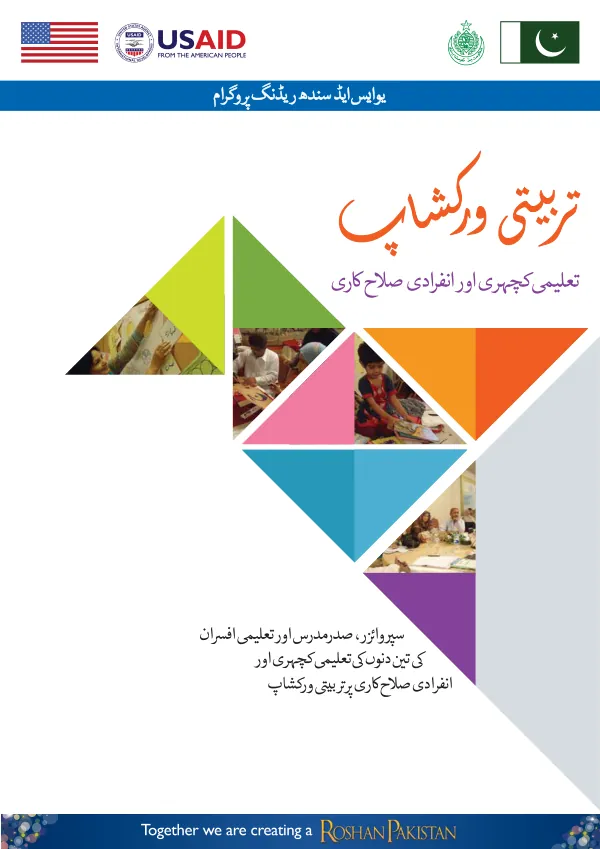
USAID Sindh Reading Program Training Material Urdu Final
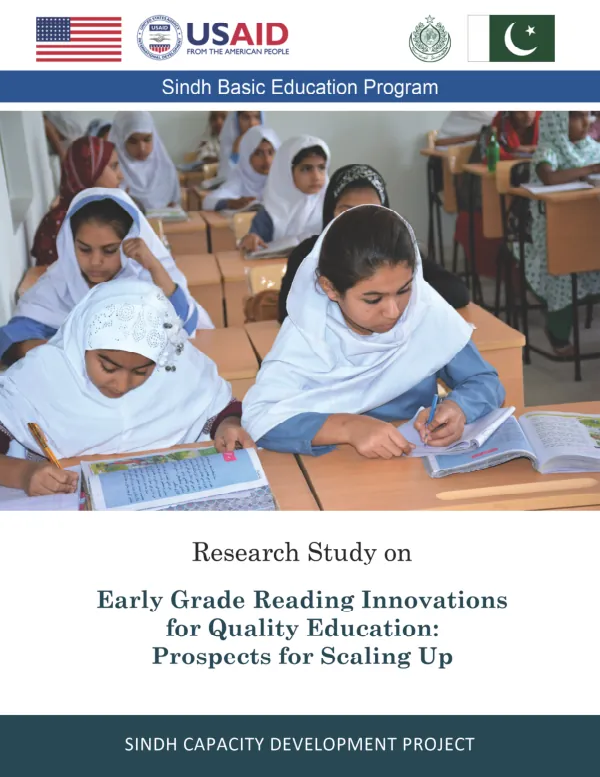
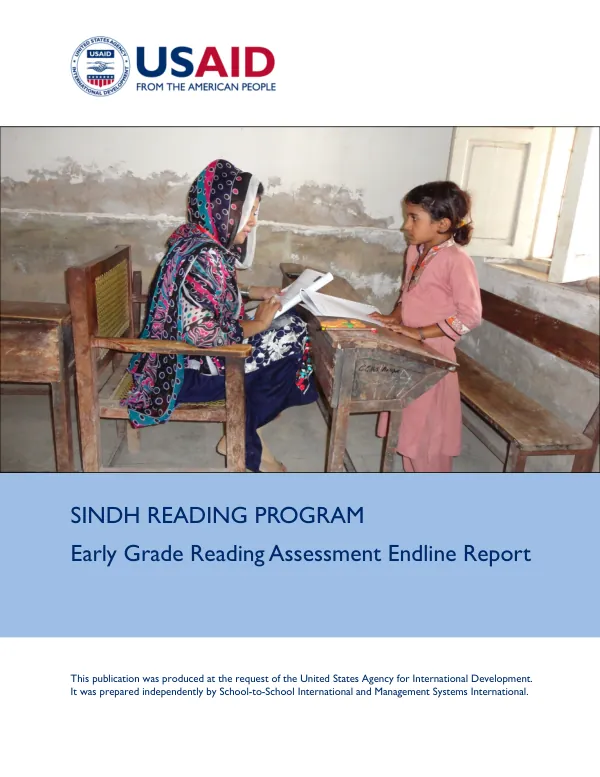
The Sindh Reading Program is a USAID-funded initiative aimed at improving reading and numeracy competencies in Sindh, Pakistan.
2014 · 16 pages
Sign in to readA free account is required to download.
Abstract
The program focuses on enhancing the skills of teachers and education officers to provide quality education to students. The program's main objective is to improve the reading and numeracy skills of students in Sindh, with a focus on disadvantaged communities. The program's implementation involves several key components, including Continuous Teacher Professional Development (CTPD), Classroom Observation Checklist, and mentoring. The CTPD component focuses on providing training and support to teachers to improve their teaching skills and knowledge. The Classroom Observation Checklist is used to assess the teaching practices of teachers and provide feedback for improvement. The mentoring component involves pairing experienced teachers with novice teachers to provide guidance and support. The program's methodology involves a multi-step approach, including planning, implementation, analysis, and adjustment. The planning phase involves setting goals and objectives, identifying resources, and developing a plan of action. The implementation phase involves putting the plan into action, monitoring progress, and making adjustments as needed. The analysis phase involves evaluating the effectiveness of the program and identifying areas for improvement. The adjustment phase involves making changes to the program based on the analysis and evaluation. The program's geographic focus is on Sindh, Pakistan, with a particular emphasis on disadvantaged communities. The program's timeframes are not specified, but it is likely that the program will continue for several years to achieve its objectives. The program's recommendations include the need for continued support and resources for teachers, as well as the importance of monitoring and evaluation to ensure the program's effectiveness. The program also emphasizes the need for a collaborative approach between teachers, education officers, and other stakeholders to achieve its objectives. The program's key findings include the importance of teacher training and support, the need for a collaborative approach, and the importance of monitoring and evaluation. The program's conclusions highlight the need for continued support and resources for teachers, as well as the importance of a collaborative approach to achieve its objectives. The program's implementation details include the use of a Classroom Observation Checklist to assess teaching practices, the provision of training and support to teachers through the CTPD component, and the use of mentoring to pair experienced teachers with novice teachers. The program's geographic focus is on Sindh, Pakistan, with a particular emphasis on disadvantaged communities. The program's timeframes are not specified, but it is likely that the program will continue for several years to achieve its objectives. The program's recommendations include the need for continued support and resources for teachers, as well as the importance of monitoring and evaluation to ensure the program's effectiveness. The program's key stakeholders include teachers, education officers, and other stakeholders who are involved in the implementation and monitoring of the program. The program's methodology involves a multi-step approach, including planning, implementation, analysis, and adjustment. The program's geographic focus is on Sindh, Pakistan, with a particular emphasis on disadvantaged communities. The program's implementation details include the use of a Classroom Observation Checklist to