TETRA TECH ARD, INC.
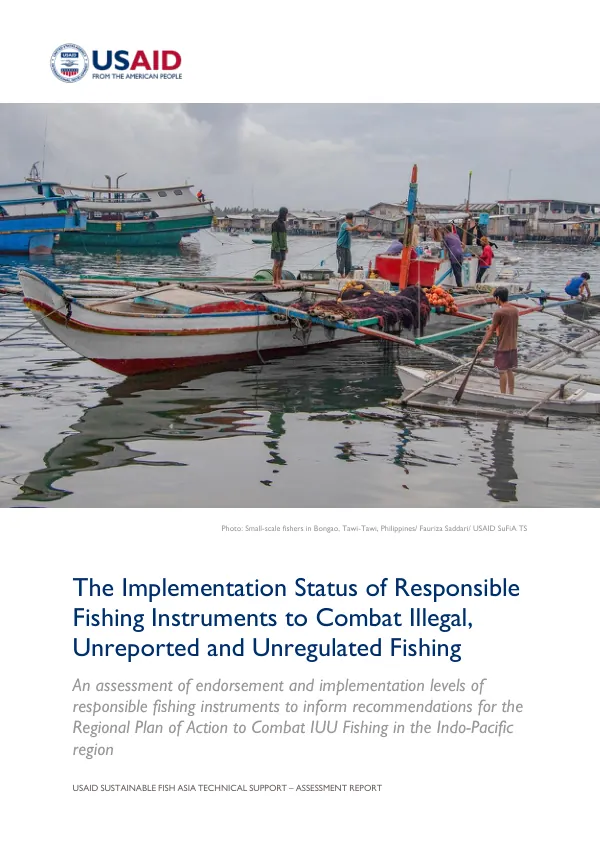
USAID SUSTAINABLE FISH ASIA TECHNICAL SUPPORT – ASSESSMENT REPORT
The commercial wild-caught seafood industry in Southeast Asia faces significant challenges related to fair labor practices.
2023 · 43 pages
Sign in to readA free account is required to download.
Abstract
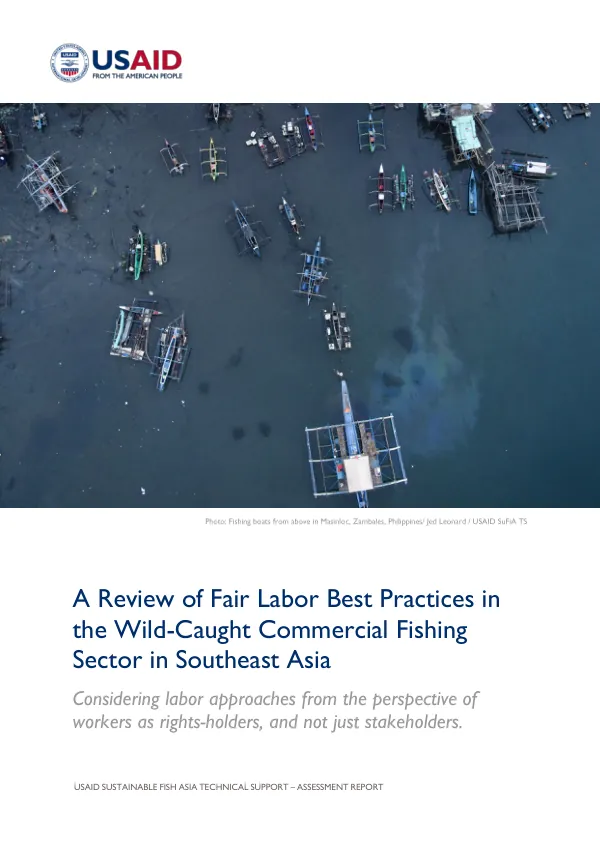
Core international instruments that support fair labor practices and basic human rights in the commercial fishing industry include the ILO Forced Labour Convention, 1930 (No. 29), the ILO Freedom of Association and Protection of the Right to Organize Convention, 1948 (No. 87), and the ILO Work in Fishing Convention, 2007 (No. 188). These instruments are legally binding to member countries that have endorsed the conventions. Organizations most active in Southeast Asia advocating for fishers' rights include the International Transport Workers' Federation (ITF), the International Collective in Support of Fishworkers (ICSF), and the Labour Protection Network (LPN). These organizations work to promote fair labor practices, protect the rights of fishers, and prevent forced labor and human trafficking in the industry. A review of fair labor best practices in the wild-caught commercial fishing sector in Southeast Asia was conducted as part of the USAID-funded Sustainable Fish Asia Technical Support (SuFiA TS) initiative. The review aimed to identify current and proposed best practices, as well as areas needing improvement. Key findings included the need for more effective labor tools, improved language and communication, and the development of tangible instruments to facilitate fair labor best practices. The review also highlighted emerging fair labor initiatives, including organizing efforts and labor instruments on the horizon. These initiatives aim to promote fair labor practices, protect the rights of fishers, and prevent forced labor and human trafficking in the industry. Recommendations were made for the private sector, NGOs, national governments, and the international community to address the challenges related to fair labor practices in the commercial wild-caught seafood industry in Southeast Asia. The Maritime Labour Convention (MLC) and the International Maritime Organization of the United Nations Cape Town Agreement on the Implementation of the Provisions of the 1993 Protocol relating to the Torremolinos International Convention for the Safety of Fishing Vessels, 1977, are also relevant to fair labor practices in the industry. The CFS Fair Trade USA Capture Fisheries Standard and the MSC CoC Marine Stewardship Council Chain of Custody Standard are also mentioned as relevant standards. The assessment report highlights the importance of promoting fair labor practices, protecting the rights of fishers, and preventing forced labor and human trafficking in the commercial wild-caught seafood industry in Southeast Asia. The report provides recommendations for stakeholders to address the challenges related to fair labor practices in the industry.