BANK FOR WEST AFRICAN DEVELOPMENT
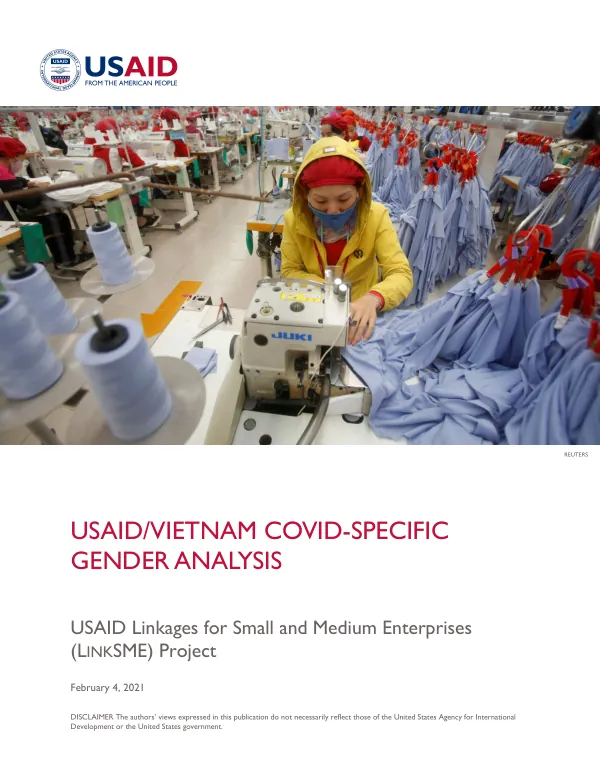
USAID/Vietnam Gender Analysis, November 2012
Gender equality and female empowerment are now universally recognized as the core development objectives in Vietnam.
2012 · 54 pages
Sign in to readA free account is required to download.
Abstract
The country has made significant progress in recent years, but persistent gender disparities remain in various sectors. This analysis aims to identify key challenges and opportunities for promoting gender equality and women's empowerment in Vietnam. The country's demographic transition has led to a significant shift in the population's age structure, with a growing proportion of women in the workforce. However, women continue to face barriers in accessing education, healthcare, and economic opportunities. The sex ratio at birth (SRB) in Vietnam is skewed, with 115 boys born for every 100 girls, indicating a preference for male children. This imbalance has serious implications for women's empowerment and social development. The analysis highlights the need to address gender-based violence (GBV), which remains a significant concern in Vietnam. GBV affects an estimated 30% of women in the country, with many cases going unreported. The government has taken steps to address GBV, including the establishment of a national action plan to prevent and respond to GBV. However, more needs to be done to ensure that women and girls have access to safe and supportive environments. The analysis also examines the role of women in leadership and public decision-making. Women's participation in politics and decision-making positions remains limited, with only 22% of seats in the National Assembly held by women. The government has implemented policies to promote women's participation in politics, including quotas for women in local government. However, more needs to be done to ensure that women have equal opportunities to participate in decision-making processes. The analysis identifies several key sectors where gender equality and women's empowerment can be promoted, including education, healthcare, and economic development. The government has implemented policies to promote girls' education, including free education for girls in primary and secondary schools. However, more needs to be done to ensure that girls have equal access to education and that they are not discriminated against in the education system. In the healthcare sector, the government has implemented policies to promote women's health, including free maternal healthcare services. However, more needs to be done to ensure that women have access to comprehensive healthcare services, including reproductive health services. The analysis also highlights the need to address the high rates of HIV/AIDS among women in Vietnam, particularly among sex workers and injecting drug users. The analysis concludes that promoting gender equality and women's empowerment in Vietnam requires a comprehensive and multi-faceted approach. The government, civil society organizations, and development partners must work together to address the root causes of gender disparities and promote women's empowerment in all sectors. This includes implementing policies and programs that promote women's education, healthcare, and economic opportunities, as well as addressing GBV and promoting women's participation in leadership and decision-making positions. The analysis provides several recommendations for promoting gender equality and women's empowerment in Vietnam, including: * Implementing policies and programs that promote women's education, healthcare, and economic opportunities * Addressing GBV and promoting women's participation in leadership and decision-making positions * Promoting women's participation in politics and decision-making processes * Implementing policies and programs that promote girls' education and women's health * Addressing the high rates of HIV/AIDS among women in Vietnam, particularly among sex workers and injecting drug users. Overall, the analysis highlights the need for a comprehensive and multi-faceted approach to promoting gender equality and women's empowerment in Vietnam. By working together, the government, civil society organizations, and development partners can help to address the root causes of gender disparities and promote women's empowerment in all sectors.