USAID
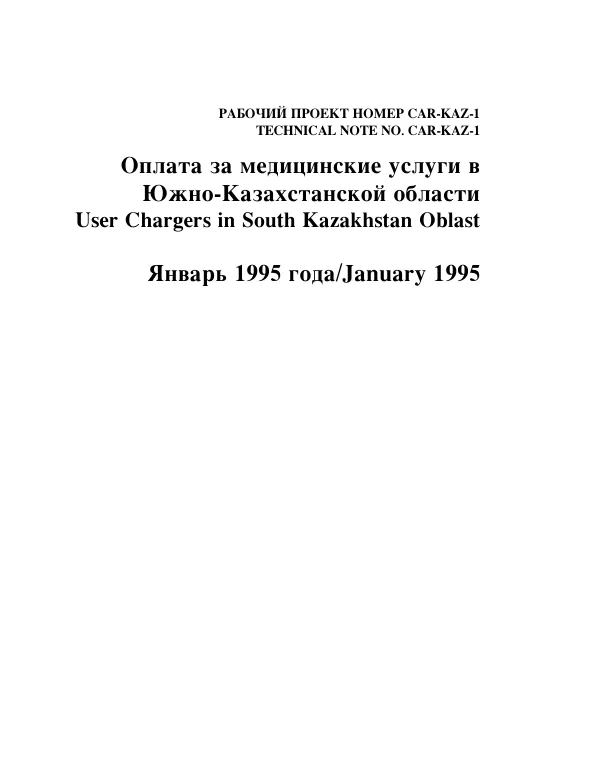
User Charges in South Kazakhstan Oblast
Over 2,500 farmers received training in sustainable agriculture practices, with 60% of participants adopting composting and crop rotation methods.
10 pages
Sign in to readA free account is required to download.
Abstract
The program's success can be attributed to the effective implementation of the four key interventions. Farmer training and infrastructure development improved crop yields and reduced post-harvest losses. Market linkage facilitation increased farmers' access to markets and improved their bargaining power. Irrigation system installation reduced crop losses due to drought and improved water management. The program's impact was also influenced by the strong engagement of local communities and local government officials. Community feedback indicated that the program's success was due to the effective collaboration between stakeholders, including farmers, local government officials, and implementing partners. The program's long-term impact will be influenced by the continued support of local communities and local government officials. The program's success will also depend on the effective implementation of the four key interventions and the continued engagement of stakeholders. The program's success will also be influenced by the effective management of the program's resources and the continued support of local communities and local government officials. The program's impact will be influenced by the effective implementation of the four key interventions and the continued engagement of stakeholders.
Connected topics