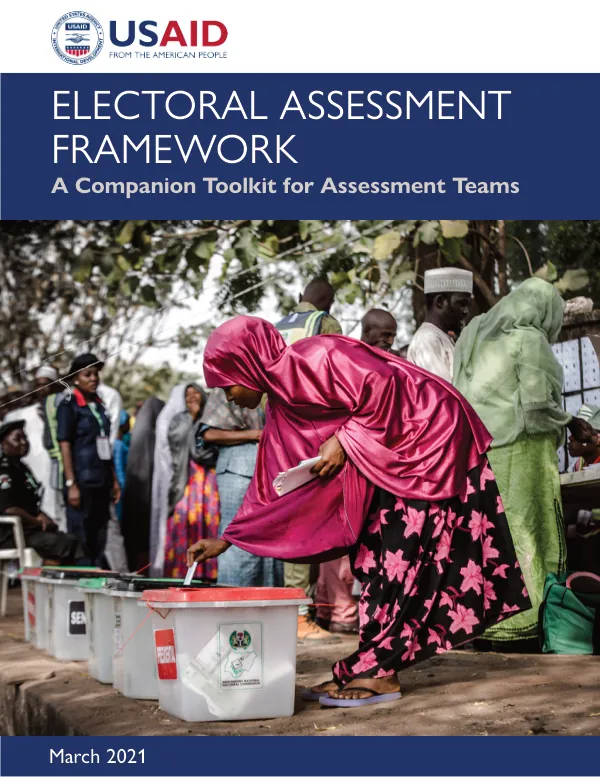
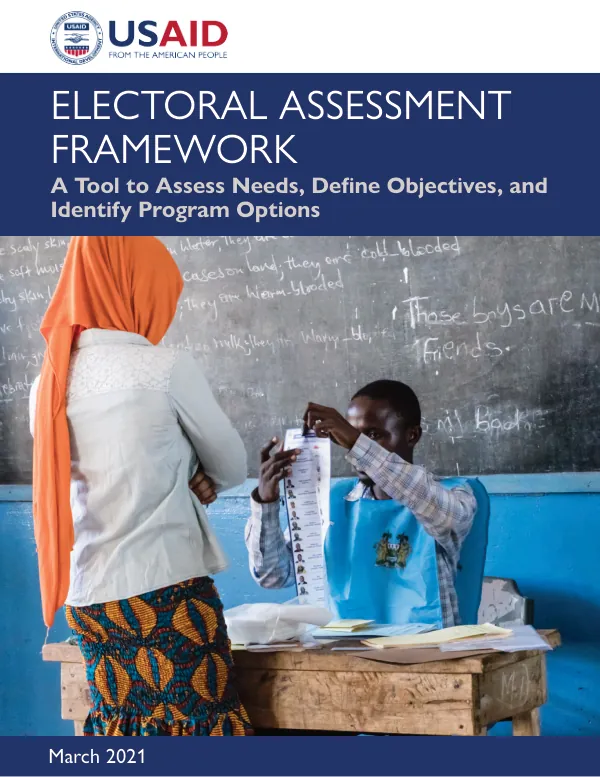
DEMOCRACY INTERNATIONAL, INC.
Vote Count Verification: A User’s Guide for Funders, Implementers, and Stakeholders
Vote count verification is a critical component of election administration, ensuring the accuracy and reliability of election results.
2011 · 225 pages
Sign in to readA free account is required to download.
Abstract
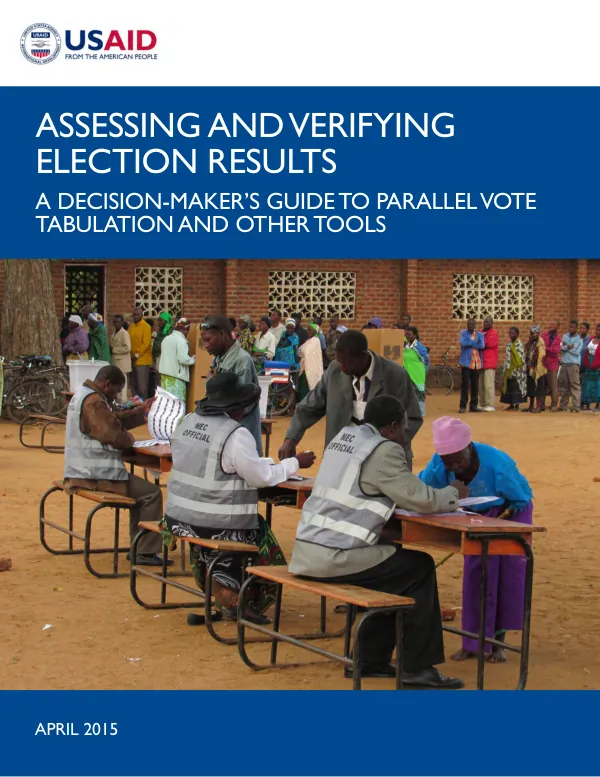
The process involves comparing the vote counts from different sources to identify discrepancies and anomalies. This comparison can be done through various methods, including parallel tabulations, post-election analysis, and election forensics. Parallel tabulations involve comparing the vote counts from different polling stations or voting machines to identify any discrepancies. This method is particularly useful in detecting any potential tampering or manipulation of the vote count. The results of parallel tabulations can be used to identify areas where the vote count may have been compromised. Post-election analysis involves examining the vote counts after the election to identify any patterns or anomalies that may indicate tampering or manipulation. This analysis can be done using statistical methods to identify any unusual patterns in the vote count. Election forensics is a related field that involves using statistical and mathematical methods to analyze the vote count and identify any potential anomalies. Managing vote count verification requires a comprehensive approach that involves multiple stakeholders, including election officials, observers, and analysts. This approach should include establishing clear procedures for vote count verification, training election officials on these procedures, and ensuring that all stakeholders have access to the necessary resources and information. New challenges in vote count verification include the increasing use of technology in elections, the growing complexity of election systems, and the need for more sophisticated methods for detecting anomalies and tampering. To address these challenges, election officials and analysts must stay up-to-date with the latest developments in vote count verification methods and technologies. The study of vote count verification is an ongoing effort to improve the accuracy and reliability of election results. This study aims to provide a comprehensive overview of the current state of vote count verification methods and techniques, as well as recommendations for donors, policymakers, and implementers on how to improve the effectiveness of vote count verification in elections. The study has been informed by a roundtable of experts on vote count verification, which was convened by Democracy International in March 2007. The roundtable brought together representatives from various organizations, including USAID, the UN Electoral Assistance Division, and the European Union, to discuss the challenges and opportunities in vote count verification. The study has identified several key areas for improvement in vote count verification, including the need for more robust methods for detecting anomalies and tampering, the importance of establishing clear procedures for vote count verification, and the need for more effective training for election officials. The study also highlights the importance of collaboration and coordination among stakeholders in ensuring the accuracy and reliability of election results. Overall, vote count verification is a critical component of election administration, and its effectiveness is essential for ensuring the integrity of elections. By understanding the current state of vote count verification methods and techniques, and by implementing the recommendations outlined in this study, election officials and analysts can improve the accuracy and reliability of election results.