USAID DEC
Water Security and Resilience Assessment for Rwanda
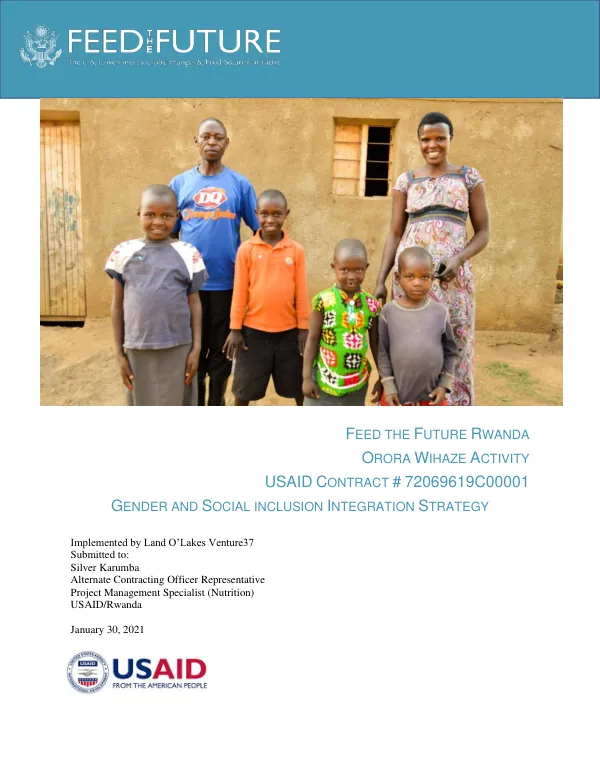
Rwanda's agricultural sector has faced significant challenges, including soil degradation and limited market access.
1 pages
Sign in to readA free account is required to download.
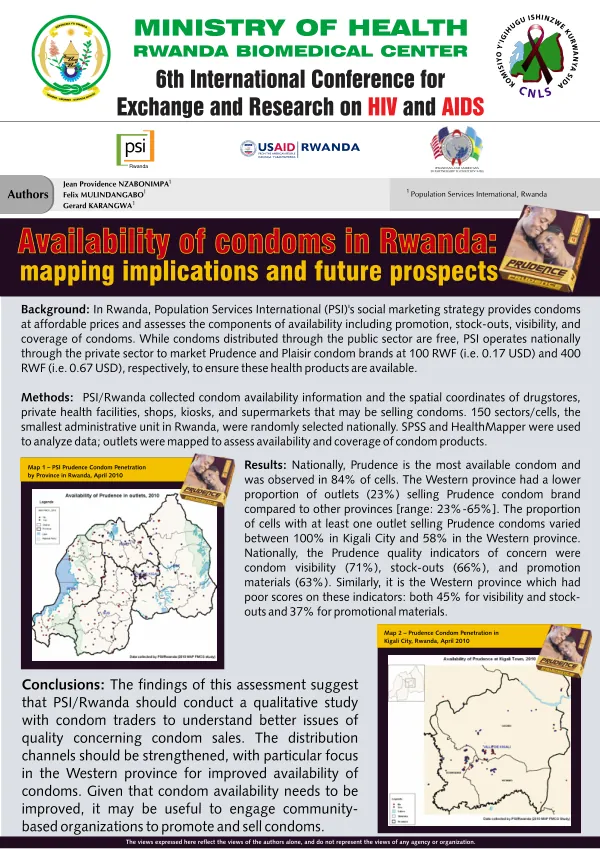
Abstract
Initial assessments in Eastern Province identified these issues as major obstacles to sustainable development. Farmer training programs were a crucial component of the initiative. Community feedback indicated high adoption rates for composting and crop rotation methods, while mechanical land preparation faced implementation barriers due to high costs. The initiative's success can be attributed to the combination of training, infrastructure development, and market linkage facilitation. The geographic focus of the initiative was primarily in Eastern Province, where the majority of Rwanda's agricultural production takes place. The initiative's impact was felt across the region, with improved crop yields, increased household income, and enhanced food security. The success of the initiative has paved the way for further agricultural development in Rwanda, with a focus on sustainable practices and market-driven approaches.
Connected topics
![Inventory of HIV/AIDS counselling, testing, care and support services in Nairobi[, Kenya]](https://covers.devme.ai/gen/140571.webp)