USAID DEC
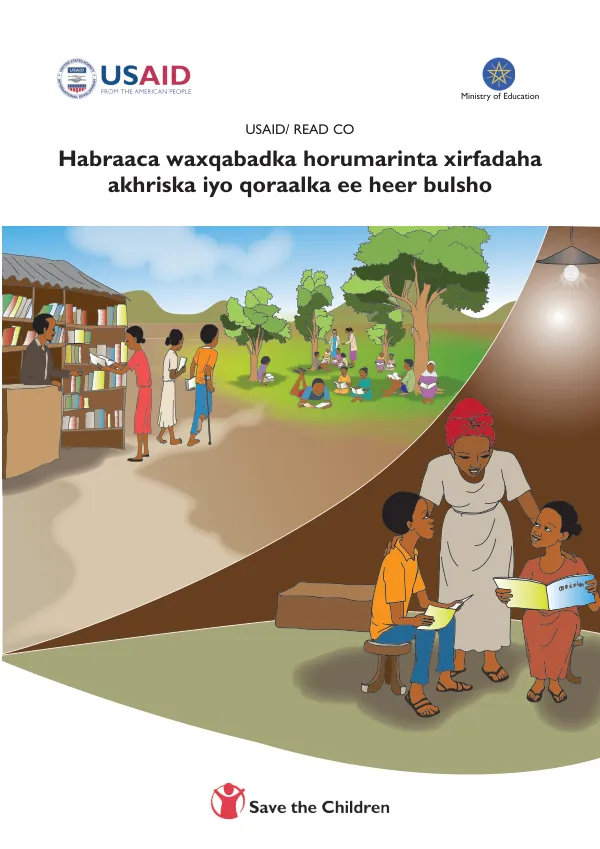
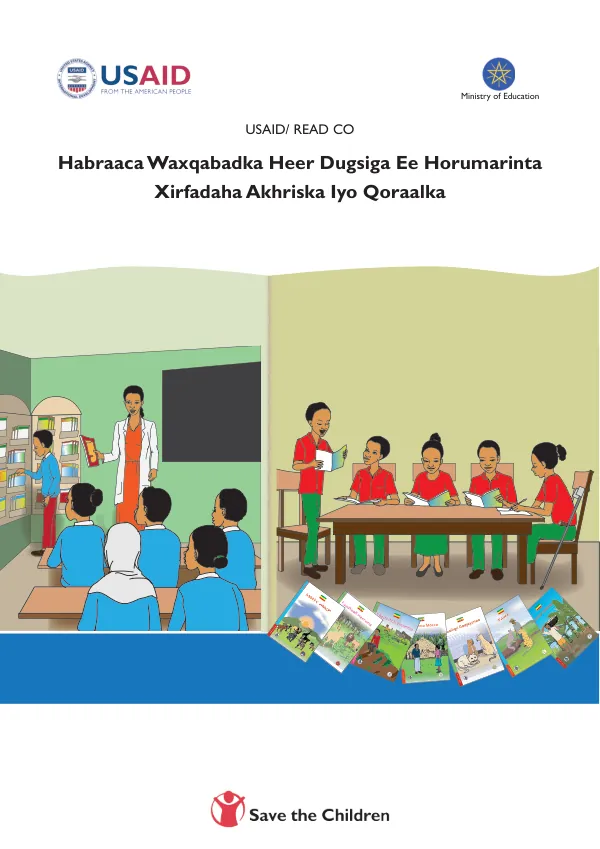
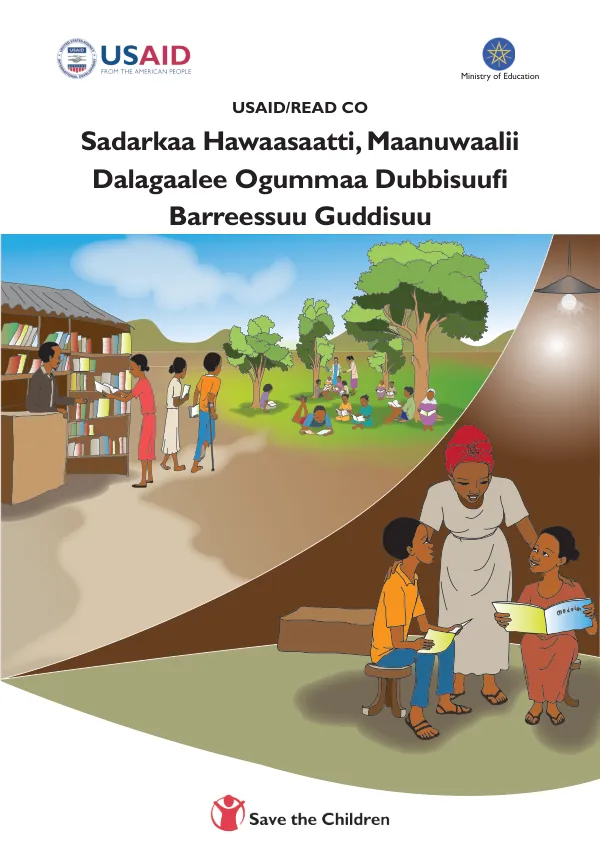
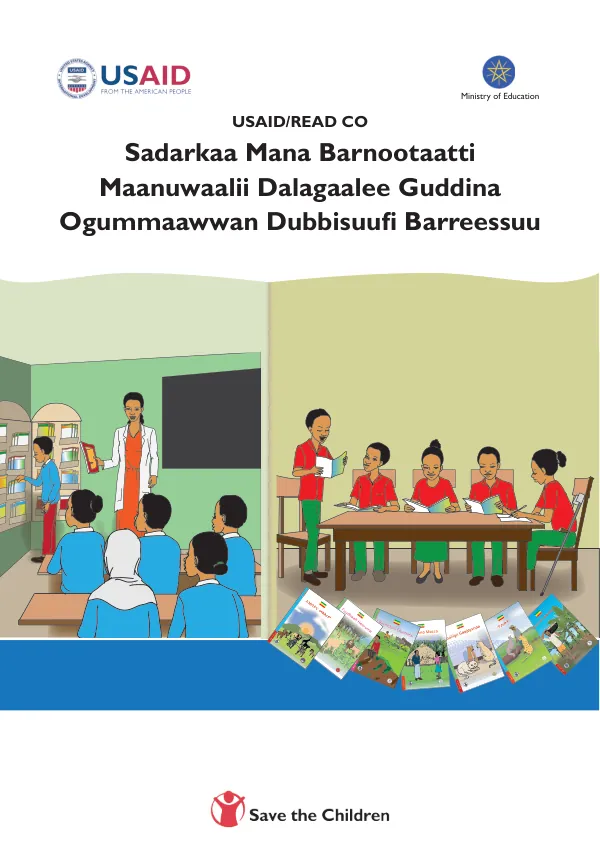
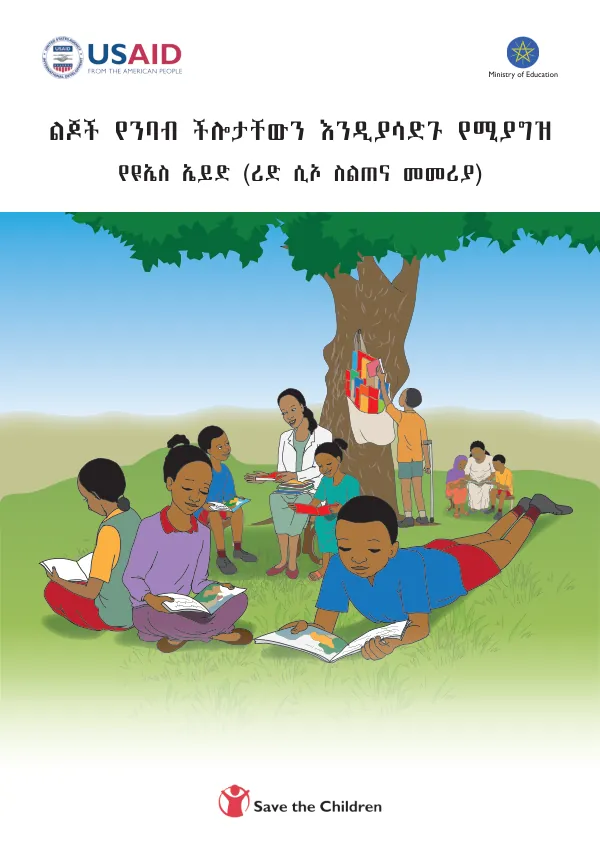
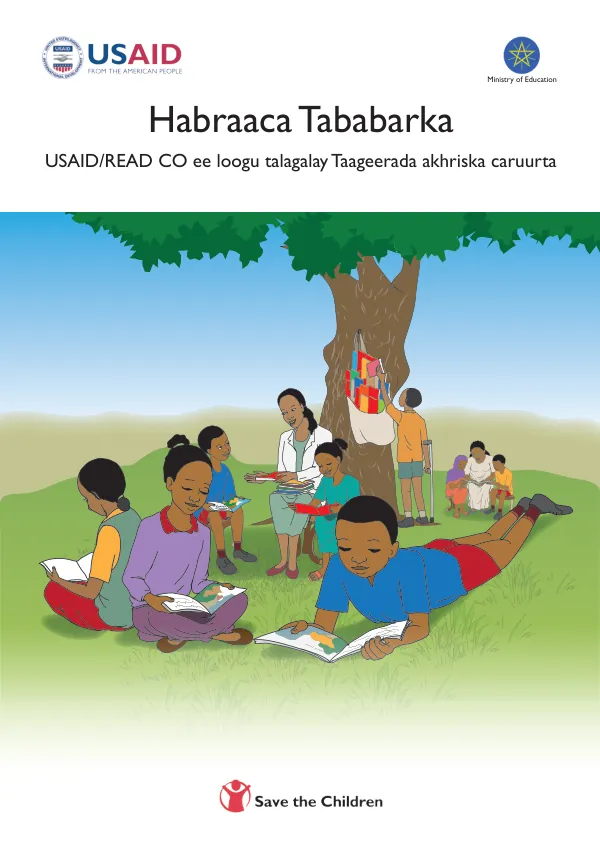
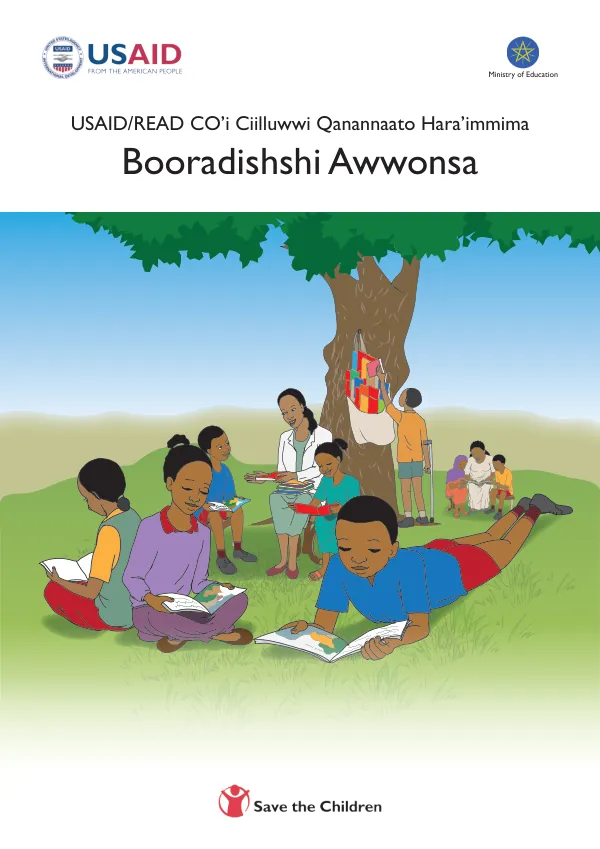
Working Manual for Master Trainers Training, Trainings of Level One and Level Two for /USAID/READ CO target schools and community
Sign inAMHARA DEVELOPMENT ASSOCIATION
Working Manual for Master Trainers Training, Trainings of Level One and Level Two for /USAID/READ CO target schools and community
The READ CO project is a four-year initiative launched in January 2015 to increase access to grade-level appropriate reading materials and provide children with opportunities to practice reading in Ethiopia.
2016 · 83 pages
Sign in to readA free account is required to download.
Abstract
The project is part of the national READ Program effort to address the learning needs of 15 million primary grade students in seven Ethiopian languages. READ CO is implemented by Save the Children and its regional NGO partners, including Amhara Development Association, Tigray Development Association, Adult and Non-formal Education Association of Ethiopia, Organization for Welfare and Development in Action, and Save the Children South Hub. The project's main goal is to strengthen parental and community engagement in support of children's learning to read. To achieve this, READ CO provides training materials and activities to support the development of reading skills in children. The project focuses on the use of mother tongue languages to promote literacy and improve reading outcomes. READ CO also aims to increase access to reading materials and provide opportunities for children to practice reading. The project is implemented in collaboration with the Ministry of Education, Regional State Education Bureaus, and Zone Education Directors. The READ CO team works closely with local communities, schools, and parents to develop and implement reading programs that meet the needs of children. The project's approach emphasizes the importance of community involvement and participation in promoting literacy and improving reading outcomes. The READ CO project has developed a range of materials and resources to support the development of reading skills in children. These include training manuals, reading books, and other educational materials. The project also provides support for the development of reading programs in schools and communities, including training for teachers and community members. The project's approach emphasizes the importance of using mother tongue languages to promote literacy and improve reading outcomes. The project's impact is measured through a range of indicators, including improvements in reading skills, increased access to reading materials, and enhanced community engagement. The project's evaluation framework includes a range of metrics, including reading assessments, surveys, and focus group discussions. The project's findings suggest that the use of mother tongue languages can improve reading outcomes and increase community engagement in literacy programs. The READ CO project has also developed a range of guidelines and resources to support the implementation of reading programs in schools and communities. These include a working manual for master trainers, training of level one and level two for USAID/READ CO target schools and community, and a guide for reading and writing activities. The project's approach emphasizes the importance of community involvement and participation in promoting literacy and improving reading outcomes. The project's implementation is supported by a range of partners, including the Ministry of Education, Regional State Education Bureaus, and Zone Education Directors. The project's team works closely with local communities, schools, and parents to develop and implement reading programs that meet the needs of children. The project's approach emphasizes the importance of using mother tongue languages to promote literacy and improve reading outcomes. The READ CO project has made significant progress in promoting literacy and improving reading outcomes in Ethiopia. The project's approach has been recognized as a best practice in the region, and its findings have informed the development of literacy programs in other countries. The project's impact is expected to continue in the coming years, as it continues to support the development of reading skills in children and promote community engagement in literacy programs.
Related documents