UNICEF
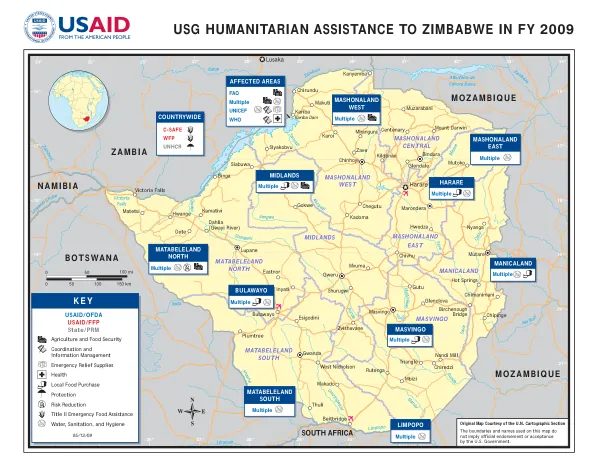
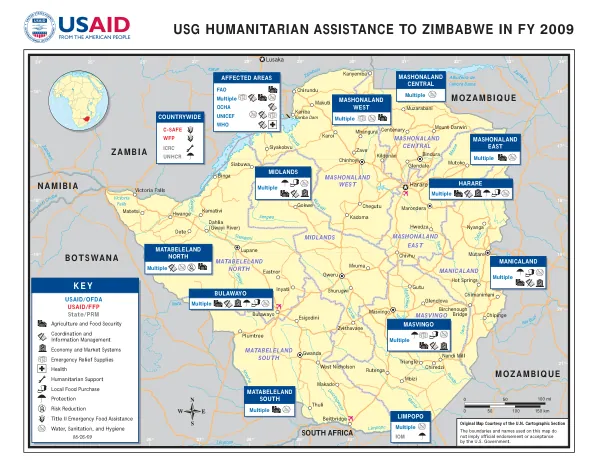
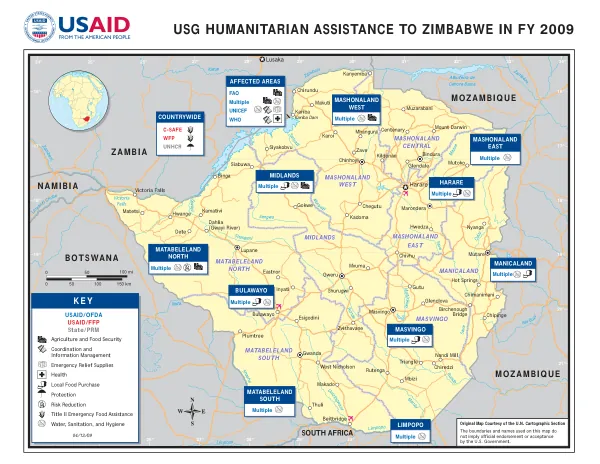
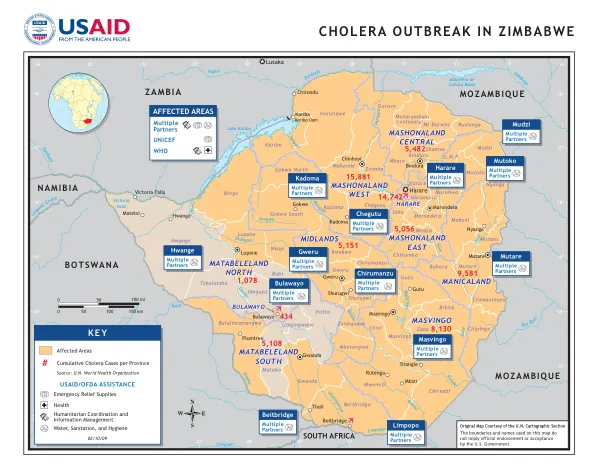
Zimbabwe Program Map 2/10/09
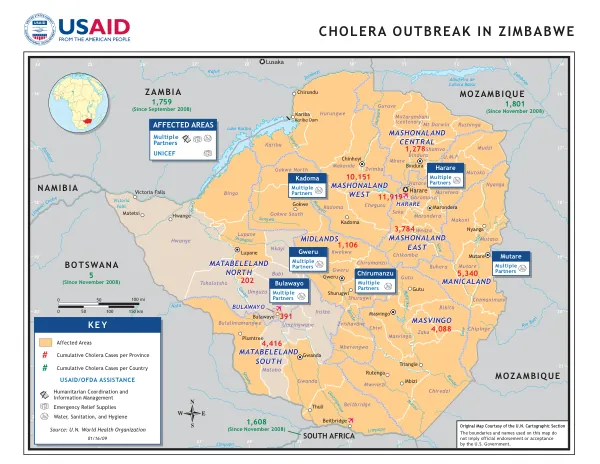
The cholera outbreak in Zimbabwe began in 2008, with the first reported cases occurring in the Masvingo Province.
2009 · 1 pages
Sign in to readA free account is required to download.
Abstract
The outbreak was characterized by a significant increase in cholera cases, with a cumulative total of 14,742 reported cases by the end of the year. The provinces most affected by the outbreak were Masvingo, Harare, and Bulawayo, with the highest number of cases reported in Masvingo. The cholera outbreak was a major public health concern, with a significant impact on the affected communities. The outbreak was attributed to a combination of factors, including poor sanitation, inadequate access to clean water, and a lack of effective waste management systems. The provinces most affected by the outbreak had limited access to healthcare services, making it difficult to respond to the crisis. The humanitarian response to the cholera outbreak was led by the United Nations, with support from multiple partners, including UNICEF and the World Health Organization. The response efforts focused on providing emergency relief supplies, including water, sanitation, and hygiene materials, as well as supporting the provision of healthcare services. The response efforts also included the establishment of cholera treatment centers and the provision of medical supplies. The cholera outbreak in Zimbabwe had a significant impact on the affected communities, with a high number of reported cases and a significant number of deaths. The outbreak highlighted the need for improved sanitation, access to clean water, and effective waste management systems in the affected provinces. The response efforts by the humanitarian community helped to mitigate the impact of the outbreak, but the crisis highlighted the need for sustained support to address the underlying causes of the outbreak. The cholera outbreak in Zimbabwe was a major public health crisis, with significant impacts on the affected communities. The response efforts by the humanitarian community helped to mitigate the impact of the outbreak, but the crisis highlighted the need for sustained support to address the underlying causes of the outbreak. The provinces most affected by the outbreak, including Masvingo, Harare, and Bulawayo, require continued support to improve sanitation, access to clean water, and effective waste management systems.