MANAGEMENT SYSTEMS INTERNATIONAL
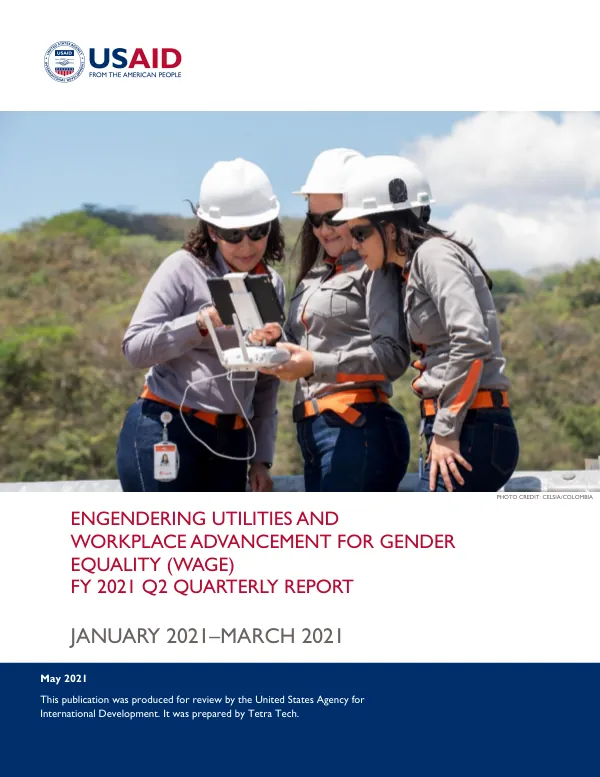
2016 CSO Sustainability Index for MENA
The Civil Society Organization (CSO) Sustainability Index for the Middle East and North Africa evaluates the strength and viability of the CSO sectors in Egypt, Iraq, Jordan, Lebanon, Morocco, the West Bank and Gaza, and Yemen.
2016 · 100 pages
Sign in to readA free account is required to download.
Abstract
This edition of the Index covers events and trends that affected CSOs in 2016. The Index relies on the knowledge of CSO practitioners and researchers, who form an expert panel to assess and rate seven interrelated dimensions of CSO sustainability: legal environment, organizational capacity, financial viability, advocacy, service provision, infrastructure, and public image. The expert panels in each country propose a score for each dimension, which can range from 1 (indicating a very advanced civil society sector with a high level of sustainability) to 7 (indicating a fragile, unsustainable sector with a low level of development). Dimension scores are averaged to produce an overall sustainability score. The Index groups all scores into three overarching categories—Sustainability Enhanced (scores from 1 to 3), Sustainability Evolving (3.1-5), and Sustainability Impeded (5.1-7). In 2016, CSOs in the Middle East and North Africa faced a diverse set of challenges. Security continued to be an issue throughout the region as armed conflict raged in several countries, presenting both logistical and legal problems for CSOs. The ongoing civil war in Syria and the resulting movements of refugees and internally displaced persons (IDPs) also posed significant challenges. While the Islamic State lost considerable territory in Iraq following the government's liberation of Fallujah and Mosul, it also claimed responsibility for attacks that killed hundreds in the country and elsewhere in 2016. The region continues to be plagued by political challenges as well. Plans in the West Bank and Gaza for the first local elections in a decade were postponed, dashing hope for reconciliation between the Palestinian Authority and Hamas. In Yemen, a government in exile led by the prime minister formed in opposition to the Houthis' National Salvation Government, and conflict between the two sides persisted through the year. Following parliamentary elections with no clear majority party or coalition, Morocco went without a government for six months, until the king intervened to replace the prime minister of the winning party. Economic difficulties in the region compounded the problems caused by these security and political challenges. In Yemen, a liquidity crisis drove more people into poverty. By the year's end, nearly 18.8 million people were in need of humanitarian assistance, and the threat of widespread famine loomed. Poverty and unemployment remained widespread in the West Bank and Gaza, with more than one quarter of the population estimated to be unemployed. In Egypt, a decline in tourism, hard currency shortages, and an unfavorable exchange rate contributed to slow economic growth in 2016, while a spike in inflation increased poverty rates across the country. The CSO Sustainability Index for the Middle East and North Africa is a useful source of information for local CSOs, governments, donors, academics, and others who want to better understand and monitor key aspects of sustainability in the CSO sector. The Index complements similar publications covering other regions, including reports on twenty-four countries in Central and Eastern Europe and Eurasia, thirty-one countries in Sub-Saharan Africa, and seven countries in Asia. These editions of the CSO Sustainability Index bring the total number of countries surveyed to sixty-nine. The Index is based on the knowledge, perceptions, ideas, observations, and contributions of many CSO representatives and experts, USAID partners, and international donors who participated in the expert panels in each country. Their contributions are the foundation upon which the Index is based. The editorial committee, composed of technical and regional experts, reviews the panel's findings to maintain consistent approaches and standards, allowing for cross-country comparisons.