USAID DEC
A Stimulus Package for Substantially Increase the Protected Area Establishment in Colombia
Sign inUSAID DEC
A Stimulus Package for Substantially Increase the Protected Area Establishment in Colombia
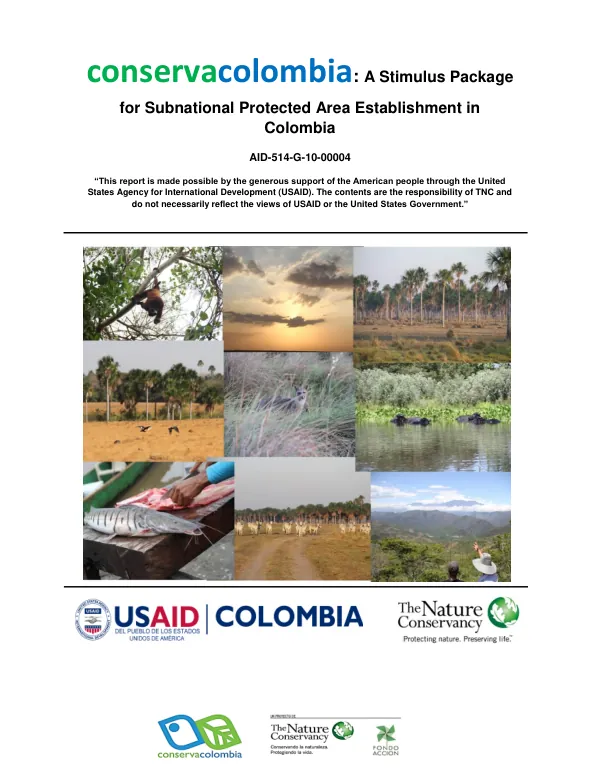
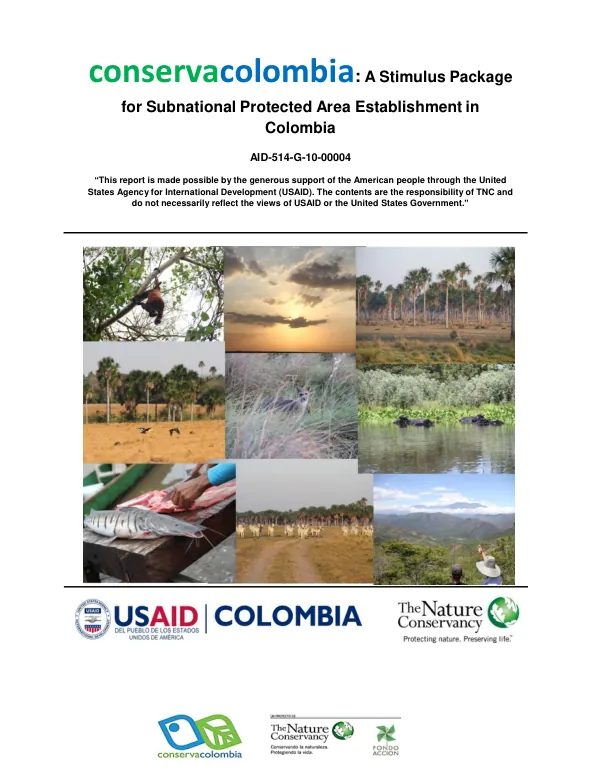
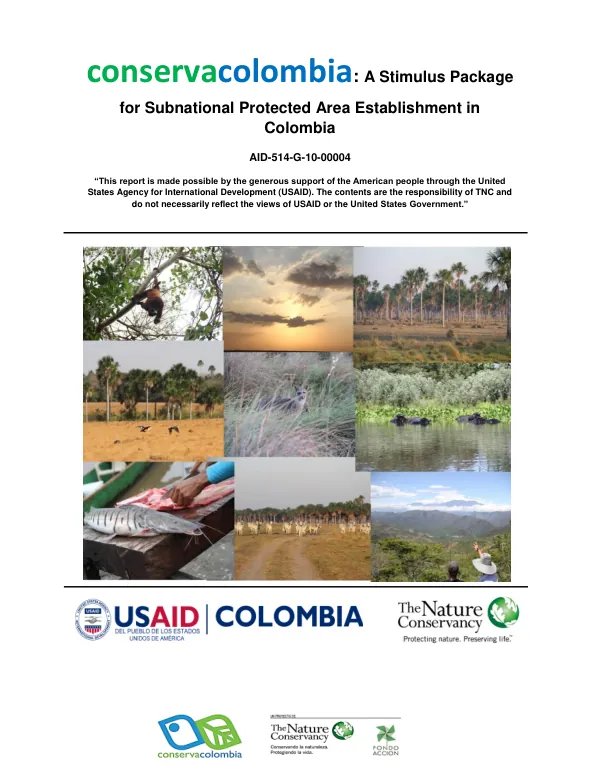
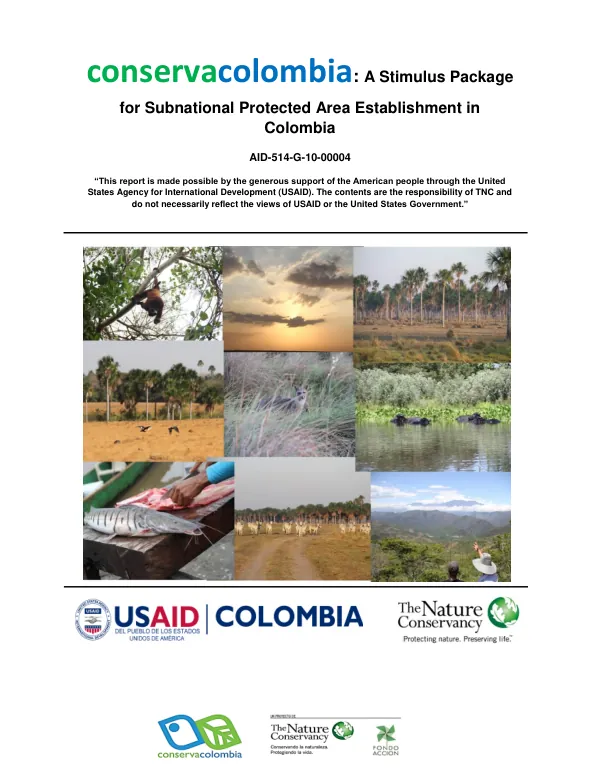
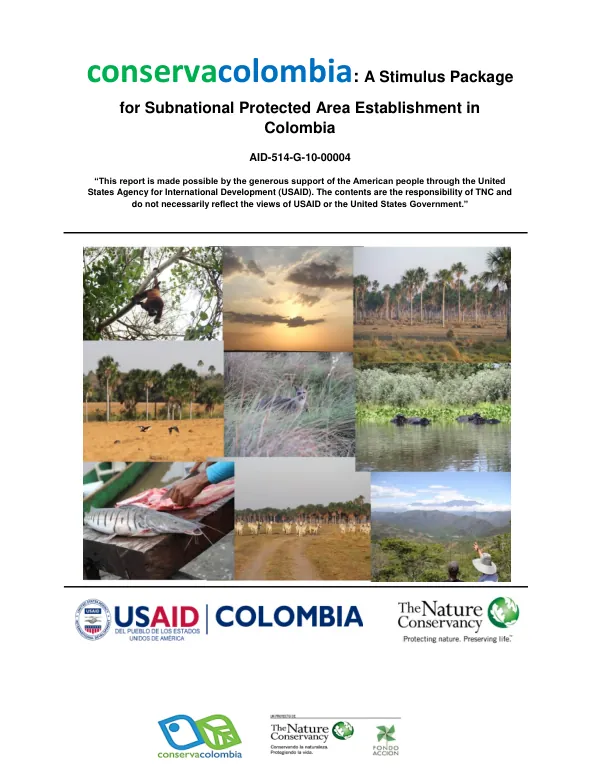
Conservacolombia: A Stimulus Package for Subnational Protected Area Establishment in Colombia is an initiative developed by the Fundación Trópico in association with El Fondo para la Acción Ambiental y la Niñez, La CVC, the municipalities of Roldanillo, La Unión, and Toro Valle del Cauca, Asocaña, and with the accompaniment of Parques Nacionales Naturales de Colombia and the Sistema Departamental de áreas Protegidas SIDAP Valle del Cauca.
2014 · 55 pages
Sign in to readA free account is required to download.
Abstract
The area of study comprises part of the municipalities of Roldanillo, La Unión, and Toro, which form the RUT watershed, as well as a small portion of the Pescador watershed belonging to the municipality of Roldanillo. The area is characterized by the ecosistema arbustal y matorral medio muy seco en montaña fluvio-gravitacional (AMMMSMH), which presents a 96.72% representation gap, making it a priority in the Sistema Departamental de Áreas Protegidas, Valle del Cauca. The initiative aimed to create a protected area in the municipalities of Roldanillo, La Unión, and Toro Valle del Cauca through a participatory process involving local communities and stakeholders. The process was divided into four moments: identification and characterization of social actors, socialization of the project to social actors, capacity building for social actors, and organizational strengthening with social actors. The identification and characterization of social actors was conducted through a participatory methodology proposed by CVC, which involved gathering information from secondary sources and direct approaches with different actors related to the area, such as coordinators of the Umata of the three municipalities and their technical and professional teams, as well as community leaders and members. This exercise allowed for the identification of different organizations, groups, and institutions that could support or benefit the project. The characterization of social actors involved the analysis of their characteristics and particularities, including their roles, interests, and levels of influence in the area. This information was used to develop strategies for engagement and participation with the actors, taking into account their specific contexts and needs. The goal was to ensure that the actors were involved in the decision-making process and that their concerns and interests were taken into account. The initiative also involved the development of a participatory process with local communities, which included the creation of a participatory platform to facilitate communication and collaboration among stakeholders. The platform was used to share information, discuss project plans, and make decisions collectively. The project's methodology was based on a participatory approach, which involved the active participation of local communities and stakeholders in the decision-making process. This approach was chosen to ensure that the project was tailored to the specific needs and concerns of the local population and that it was sustainable in the long term. The project's results showed that the participatory approach was effective in engaging local communities and stakeholders in the decision-making process. The project's outcomes included the creation of a protected area, the development of a participatory platform, and the strengthening of local institutions and capacities. The project's impact was significant, as it contributed to the conservation of biodiversity and the sustainable use of natural resources in the area. The project also contributed to the development of local capacities and institutions, which will help to ensure the long-term sustainability of the protected area. The project's lessons learned highlighted the importance of a participatory approach in conservation and development projects. The project's success was due to the active participation of local communities and stakeholders in the decision-making process, which ensured that the project was tailored to their specific needs and concerns. The project's recommendations included the need for continued support for local institutions and capacities, as well as the need for further research and monitoring to ensure the long-term sustainability of the protected area. The project's outcomes and lessons learned will be useful for future conservation and development projects in the region.
Related documents