USAID DEC
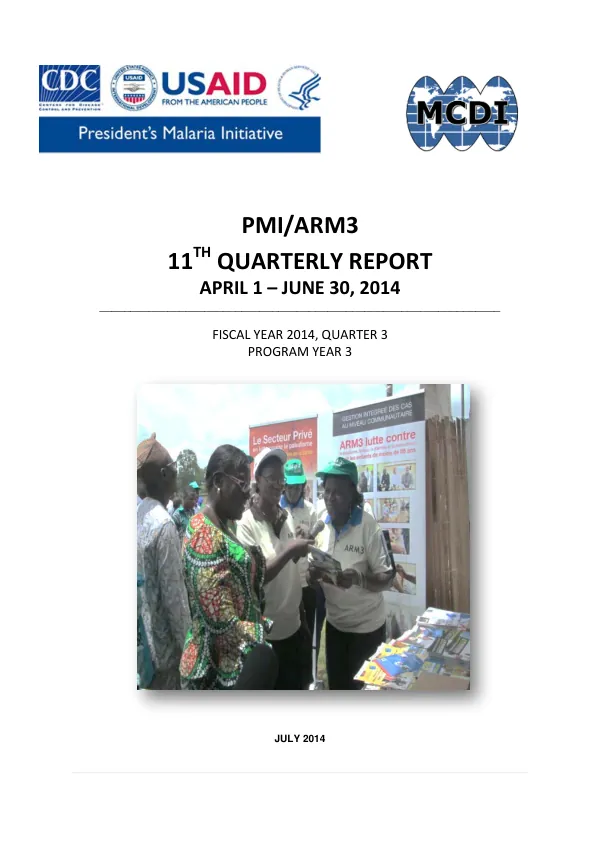
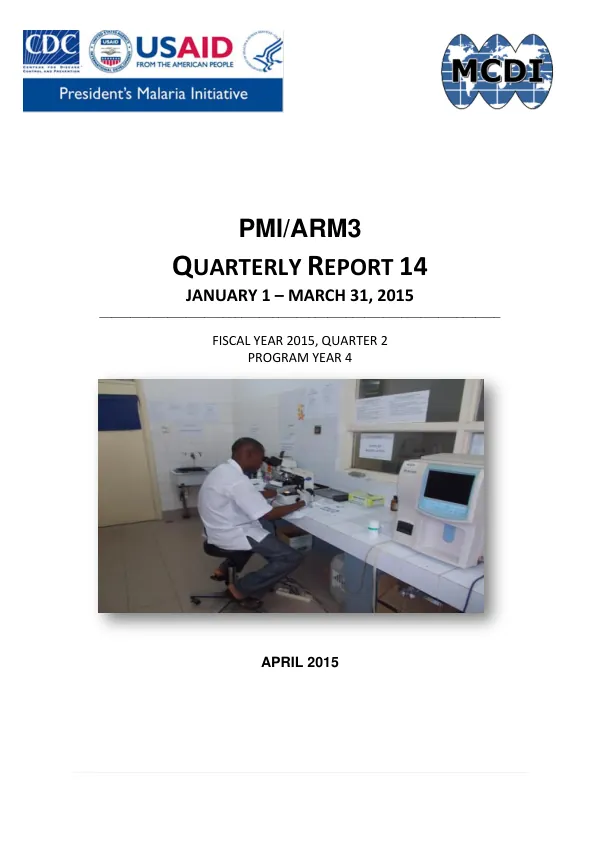
Accelerating the Reduction of Malaria Morbidity and Mortality Program (ARM3) Quarterly Report 13, October – December 2014
Sign inMANAGEMENT SCIENCES FOR HEALTH
Accelerating the Reduction of Malaria Morbidity and Mortality Program (ARM3) Quarterly Report 13, October – December 2014
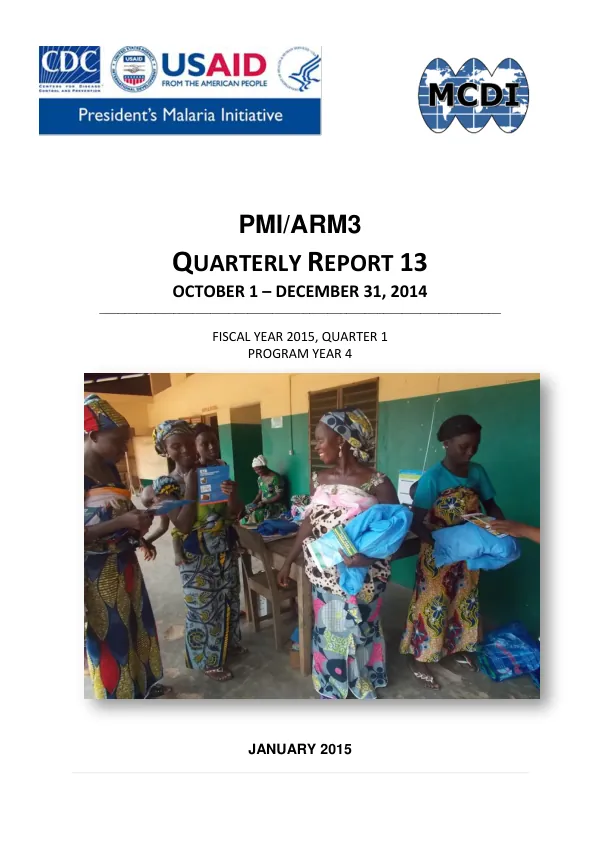
The Accelerating the Reduction of Malaria Morbidity and Mortality Program (ARM3) is a program implemented in Benin to reduce malaria morbidity and mortality.
2014 · 78 pages
Sign in to readA free account is required to download.
Abstract
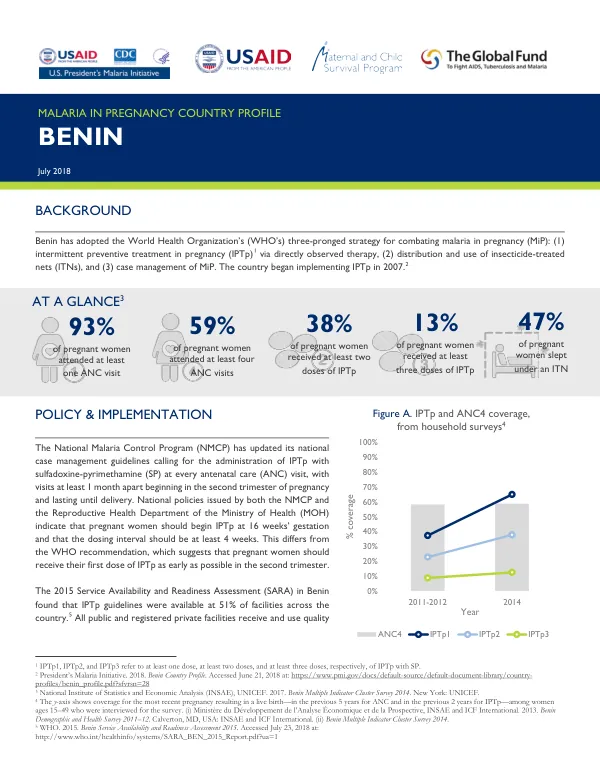
The program is funded by the United States Agency for International Development (USAID) and managed by Medical Care Development International (MCDI) in collaboration with Management Sciences for Health (MSH). The program's goal is to support the National Malaria Control Program (NMCP) in implementing the National Malaria Strategy. Implementation of malaria prevention programs in support of the National Malaria Strategy improved during the quarter. IPTp uptake increased by 2% since the previous quarter, with a current coverage of 45.1% (preliminary data for validation). The program followed up with the NMCP regarding their approval of the IPTp policy document and accompanied the NMCP during the implementation of national malaria BCC campaigns. Additionally, 107 out of 100 (107%) private sector health workers were trained on malaria case management, including ANC and IPTp. Supply and use of Long Lasting Insecticide-Treated Nets (LLINs) increased during the quarter. The program provided technical support to the NMCP during the National LLIN Distribution Campaign and provided technical assistance to the NMCP during the distribution of LLINs. The program also supported the NMCP in conducting a survey to assess the coverage and quality of LLINs distributed. Malaria diagnosis and treatment activities in support of the National Malaria Strategy improved during the quarter. Diagnostic capacity and use of testing improved, with an increase in the number of Rapid Diagnostic Tests (RDTs) used. Case management of uncomplicated and severe malaria improved, with an increase in the number of patients treated with Artemisinin Combination Therapy (ACT). Integrated Community Case Management (iCCM) improved, with an increase in the number of community health workers trained and equipped to manage malaria cases. The National Health System's capacity to deliver and manage quality malaria treatment and control interventions strengthened during the quarter. The NMCP's technical capacity to plan, design, manage, and coordinate a comprehensive malaria control program was enhanced. Capacity to collect, manage, and use malaria health information for M&E and surveillance improved, with an increase in the number of health facilities reporting data. Capacity in commodities and Supply Chain Management (SCM) improved, with an increase in the number of LLINs and other malaria commodities distributed. Cross-sectional activities were also implemented during the quarter. The program supported the NMCP in conducting a survey to assess the coverage and quality of LLINs distributed. The program also supported the NMCP in conducting a survey to assess the knowledge, attitudes, and practices of the population regarding malaria prevention and control. The program received support from various technical and financial partners, including the National Malaria Control Program and the Directorate of Maternal and Child Health from the Ministry of Health, the Representations of the United Nations Children's Fund (UNICEF) and the World Health Organization (WHO), and private sector partners such as Coalition des Entreprises Béninoises et Associations Privées Contre le SIDA, la Tuberculose, et le Paludisme (CEBAC-STP). The program also received technical guidance and financial support from the USAID Benin Mission personnel.