JHPIEGO
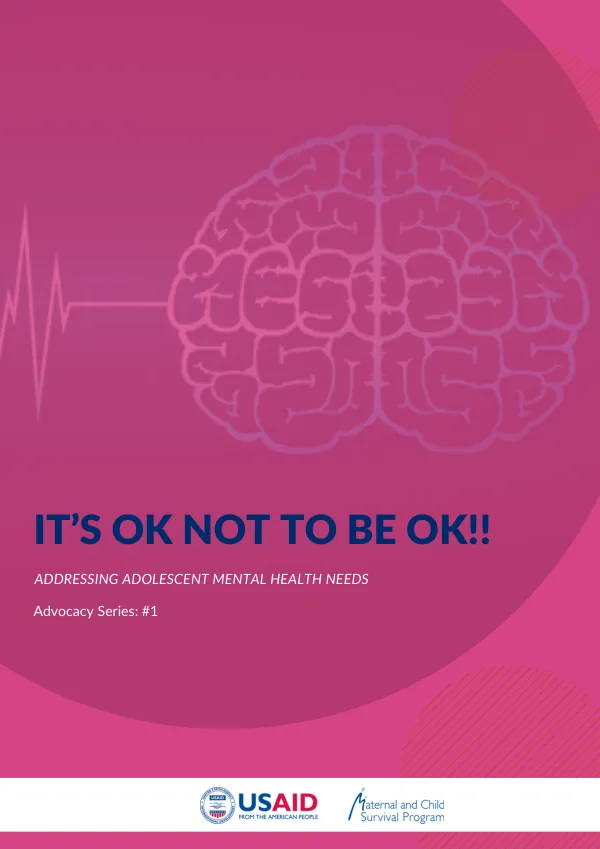
Addressing Adolescent Mental Health Needs: Advocacy Series #1
Adolescent mental health is a critical concern in India, with a significant burden of disease and unmet needs for mental health services.
2019 · 4 pages
Sign in to readA free account is required to download.
Abstract
The country's adolescent population, aged 10-19 years, is in a transitional phase from childhood to adulthood, acquiring physical, cognitive, emotional, social, and economic resources that lay the foundation for later life health and well-being. However, this phase is often neglected in health investment portfolios, and indicators for health and well-being in adolescents need to go beyond the burden of disease or mortality, focusing on morbidity and risk behaviors. Mental health issues constitute a major burden of disease for adolescents globally, with an estimated one in five adolescents experiencing a mental health disorder each year. Self-harm is the third leading cause of death for adolescents, and depression is among the leading causes of disability. In India, data from the National Mental Health Survey of 2015-16 revealed that 7.3% of mental disorders were in the age group of 13-17 years, with nearly 9.8 million young Indians in need of active interventions. The prevalence of mental disorders was nearly twice as high in urban metros compared to rural areas. The mental health services in India are often neglected and require immediate attention due to the burden of disease and treatment gap. There is a pressing need to relook at policies, practices, and approaches to reduce stigma, support systems, and dialogue on mental health between various stakeholders. The Lancet Commission on Adolescent Health and Well-being highlighted the importance of addressing mental health issues among adolescents, and the need for evidence generation, breaking stigma, empathetic approaches, engaging family and community, removing barriers, positioning mental health, providing appropriate services, and ensuring a continuum of care. A consultation on adolescent mental health was held on March 27, 2019, in Delhi, which highlighted several challenges that need to be addressed while planning for adolescent mental health. These challenges include lack of linkages within existing health services, poor access to mental health facilities, and stigmatization of mental health professionals. The consultation also emphasized the need to evaluate the effectiveness of current programs and strategize approaches to meet emerging mental health issues such as addiction, gaming, and risky sexual behavior. Furthermore, there is a need to involve technology, digitalizing interventions, and exploring traditional school and community-based interventions. The recommendations from the consultation include strengthening components of research, training, and interventions for addressing mental health issues among adolescents, breaking the stigma surrounding mental health, and providing empathetic approaches to support young people. Engaging family and community, removing barriers to service utilization, positioning mental health as a core theme, and providing appropriate services are also essential. A continuum of care, from health promotion to prevention and management, is necessary to ensure the well-being of adolescents. Enhancing service provision, increasing the number of mental health professionals, and upskilling existing professionals are also required to address the mental health needs of adolescents in India.
Related documents