USAID DEC
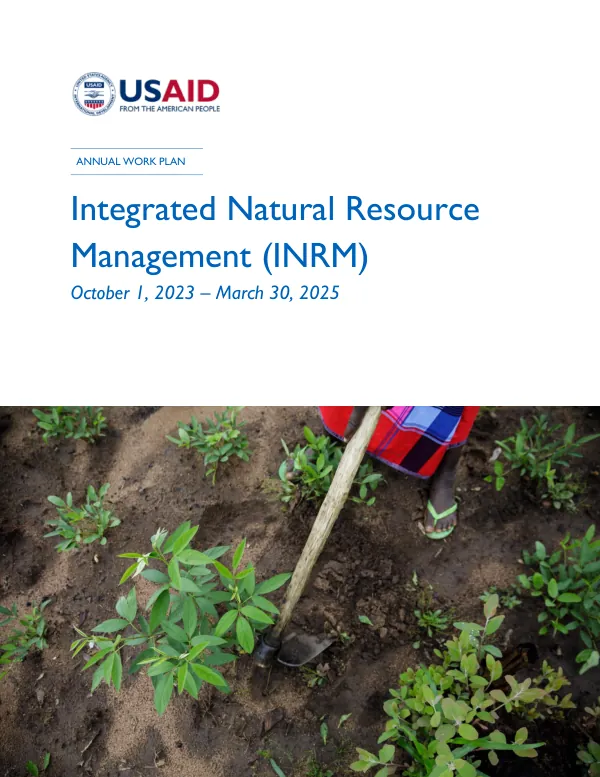
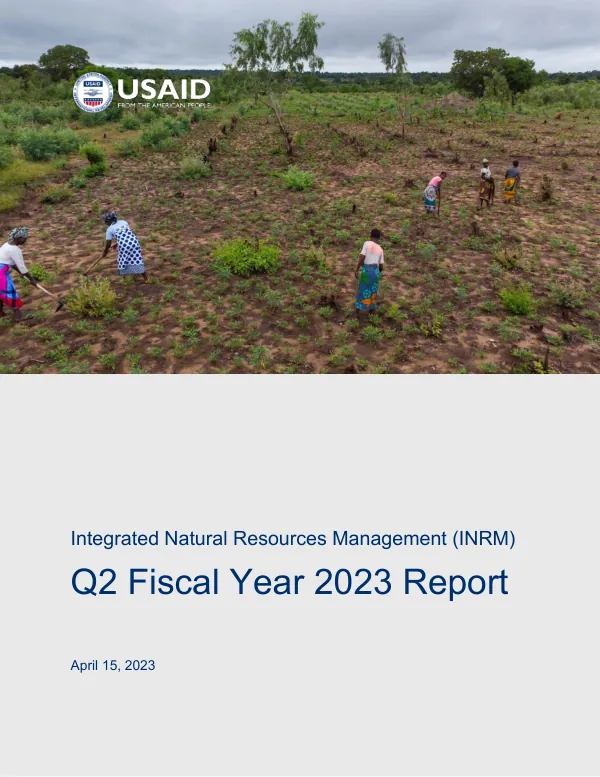
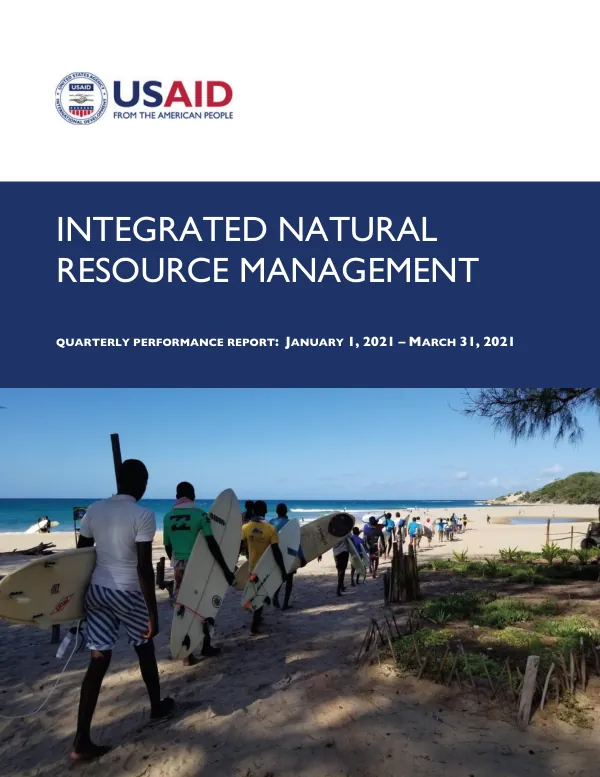
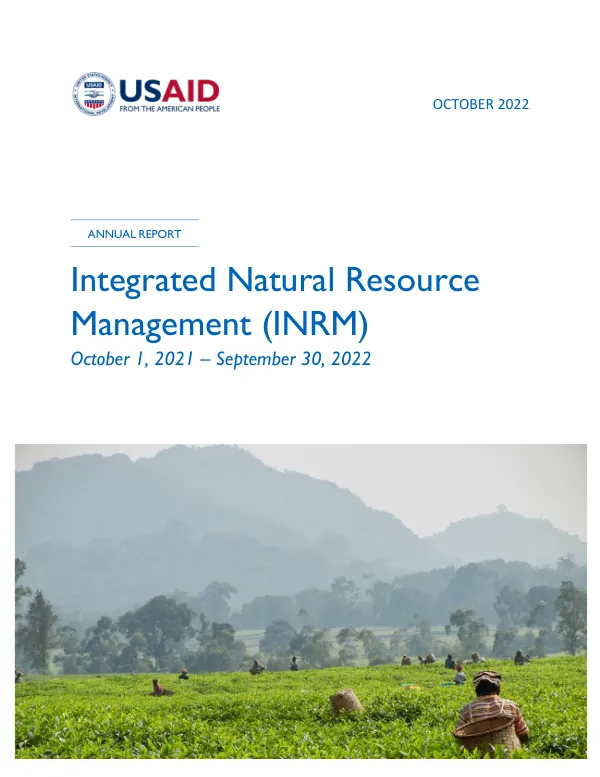
Annual Report: Integrated Natural Resource Management (INRM) October 1, 2021 – September 30, 2022
Sign inCOASTAL RESOURCES CENTER OF THE UNIVERSITY OF RHODE ISLAND
Annual Report: Integrated Natural Resource Management (INRM) October 1, 2021 – September 30, 2022
Integrated Natural Resource Management (INRM) began in July 2020 with a period of performance extending to July 2025.
2023 · 45 pages
Sign in to readA free account is required to download.
Abstract
The initiative is sponsored by the USAID Center for Environment, Energy, and Infrastructure, with a contract number of 7200AA20F00010. The INRM team, led by Chief of Party Robin Martino, is composed of DAI and partners, including the American Museum of Natural History Center for Biodiversity Conservation, Conservation Strategy Fund, New America, Resource Equity, Social Impact, Stantec, and the University of Rhode Island Coastal Resource Center. The INRM initiative focuses on generating and synthesizing evidence to inform natural resource management practices. In Year Two, the team conducted an evidence review and programming recommendations on advancing democracy through natural resource governance. The review highlighted the importance of inclusive and participatory approaches to natural resource management, emphasizing the need for community engagement and stakeholder participation. INRM also provided direct support and facilitation to various projects and activities, including the Zambia Eastern Kafue Nature Alliance (EKNA) Activity and the West Africa RESTORE Impact Evaluation Feasibility Assessment. The team developed guidance and tools, such as the Agriculture, Forestry, and Other Land Use (AFOLU) Calculator, to support sustainable land use practices. Additionally, INRM conducted research on land and resource governance, using the MAST framework to analyze data and inform decision-making. The initiative also focused on climate and biodiversity, with projects such as the Natural Climate Solutions and the Sustainable Landscapes Opportunity Analyses (SLOA). INRM worked with partners to develop and implement strategies for reducing greenhouse gas emissions and promoting biodiversity conservation. The team also conducted performance evaluations, including the Measuring Impact II and the USAID Democratic Republic of Congo Community Resilience in Central Africa. INRM's Year Two highlights include the development of a biodiversity policy and the advancement of democracy through natural resource governance. The team also conducted research on land and resource governance, using the MAST framework to analyze data and inform decision-making. INRM's FY 22 technical activity portfolios included projects on biodiversity, climate and biodiversity, and land and resource governance. The initiative's performance monitoring indicator tables are presented in Annex 1. The tables provide data on INRM's performance indicators, including the percentage of communities with improved natural resource management practices and the number of stakeholders engaged in decision-making processes. The data is used to inform adaptive management and learning questions, which are presented in the report. INRM's learning questions focus on understanding the impact of natural resource management practices on community resilience and biodiversity conservation. The team uses adaptive management to inform decision-making and adjust strategies as needed. The initiative's performance evaluations and learning questions provide valuable insights into the effectiveness of INRM's approaches and inform future programming.
Related documents