CATHOLIC RELIEF SERVICES ORGANIZATION
Annual Report (October 1, 2014-September 30, 2015) NCBA CLUSA CDP III Guatemala
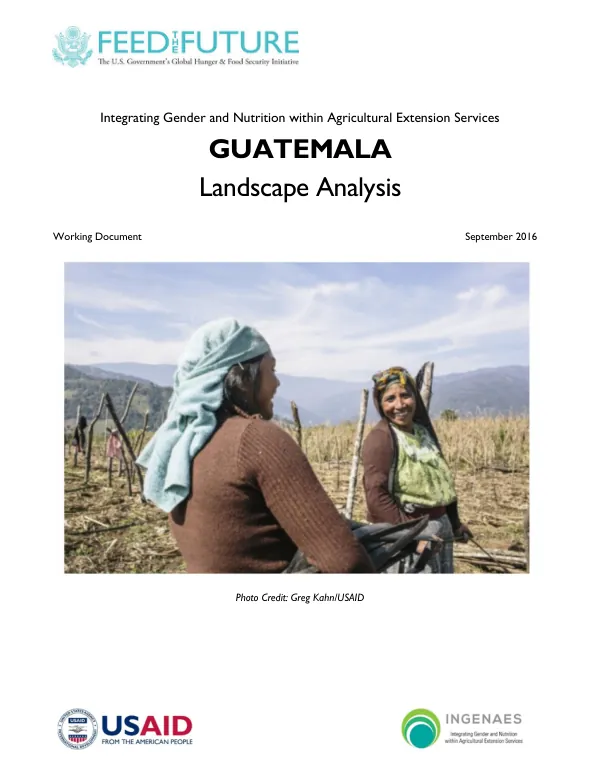
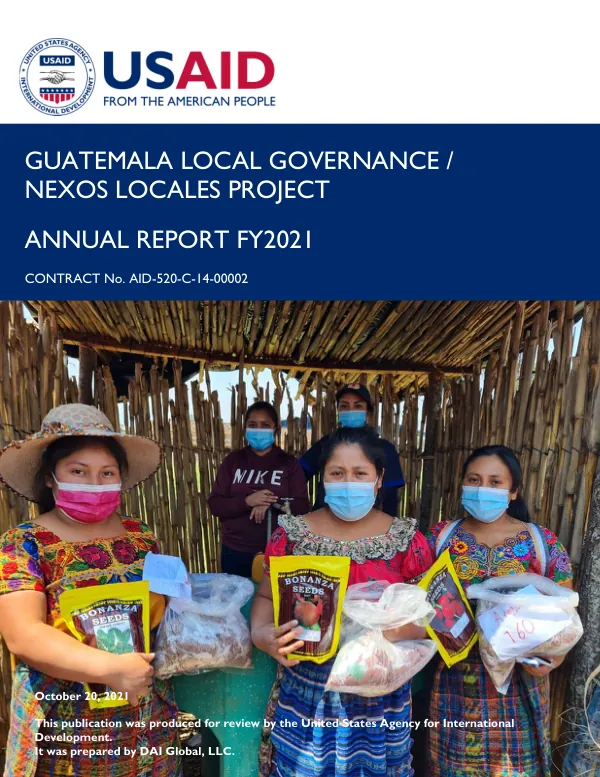
The National Cooperative Business Association (NCBA CLUSA) implemented a nutrition-led cooperative development project in Guatemala as a buy-in to the overall CDP program in May 2014.
2015 · 22 pages
Sign in to readA free account is required to download.
Abstract
The project focused on coffee, horticulture, and artisan value chains to increase smallholder representation by cooperatives, producer organizations, and private businesses and support organizations. The organizations would then be strengthened to support the coffee, horticultural, and artisan value chains, creating conditions for long-term income diversification and improved rural household nutrition, especially for pregnant and lactating mothers and children under 5 years. The four-year project aimed to improve cooperative governance, specifically the ability of cooperatives to respond to evolving member needs and changing market conditions and to mobilize resources. Additionally, the program would build farmers' and other small business owners' capacity to run a profitable business, and expand rural households' income generation through a nutrition-led agricultural production approach to address nutritional deficiencies for the target beneficiaries while supporting the Government of Guatemala and USAID Guatemala objectives to build the private sector, reduce hunger, poverty, and under-nutrition. The project approach remained the same until April 2015. In April, at the request of USAID Guatemala, NCBA CLUSA restructured the project to focus on the following goals: Contribute toward the improvement of nutritional food security, build income generation for rural families in the project areas of intervention that are part of the coffee, horticulture, and artisan value chains, and improve the governance and financial management of cooperatives, organizations, and/or producers groups. To achieve the programmatic goals, the following strategic objectives were proposed: Local availability, access to, and consumption of foods originating from small animals has increased; the entrepreneurial and business capacity of project beneficiaries, i.e., business groups and families, has been enhanced; strategic alliances have been strengthened with other organizations; and the business capacity of cooperatives, organizations, and/or producer groups has improved. The project focused on improving cooperative governance, building farmers' and small business owners' capacity, and expanding rural households' income generation. The project also aimed to strengthen strategic alliances with other organizations and improve the business capacity of cooperatives, organizations, and/or producer groups. The project's objectives were aligned with the Government of Guatemala and USAID Guatemala objectives to build the private sector, reduce hunger, poverty, and under-nutrition. The project's approach involved strengthening the coffee, horticultural, and artisan value chains, creating conditions for long-term income diversification and improved rural household nutrition. The project also aimed to improve the governance and financial management of cooperatives, organizations, and/or producers groups, and to build farmers' and small business owners' capacity to run a profitable business. The project's objectives were to contribute toward the improvement of nutritional food security, build income generation for rural families, and improve the business capacity of cooperatives, organizations, and/or producer groups. The project's progress was monitored and evaluated through the Monitoring and Evaluation Program (MEP). The MEP tracked the project's progress against the proposed indicators, which included the local availability, access to, and consumption of foods originating from small animals, the entrepreneurial and business capacity of project beneficiaries, the strengthening of strategic alliances with other organizations, and the improvement of the business capacity of cooperatives, organizations, and/or producer groups.