UNICEF
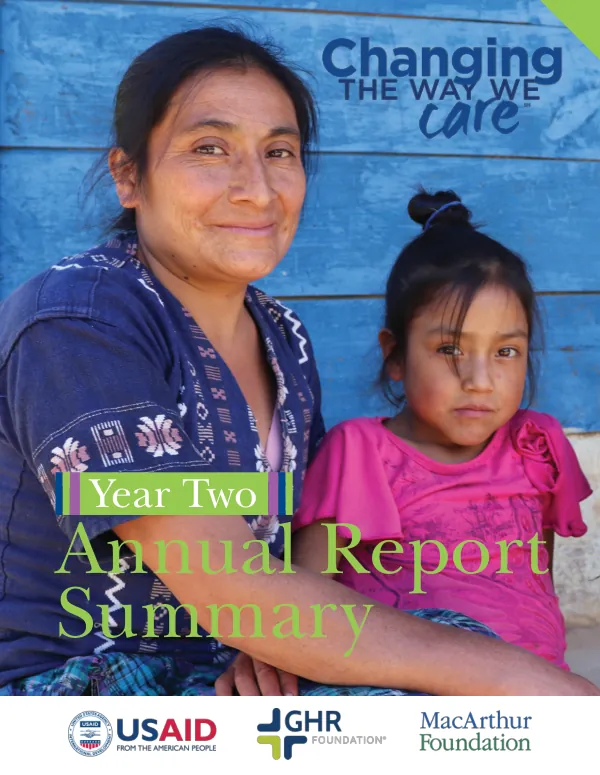
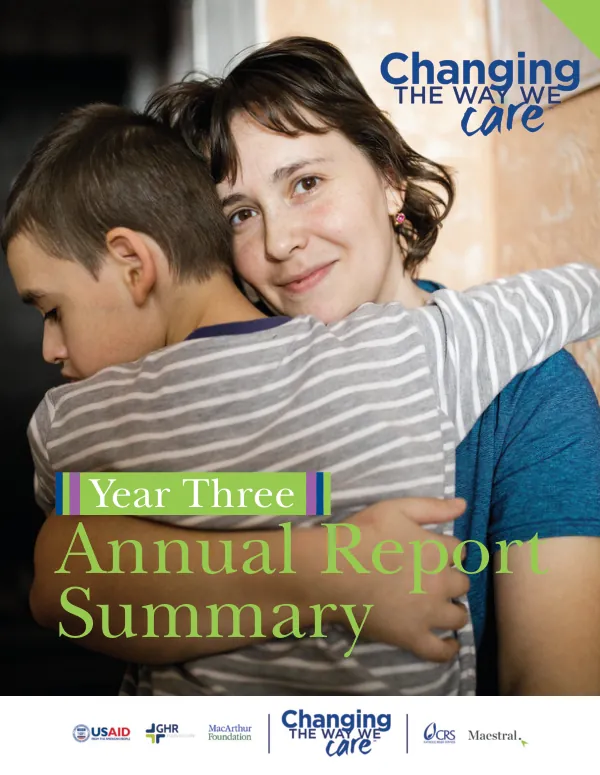
Annual Report: Year Three
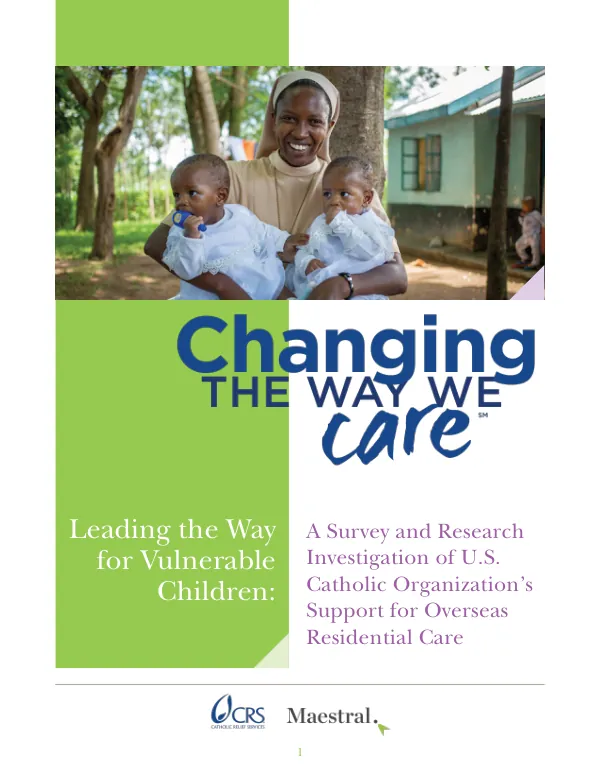
Changing the Way We Care (CTWWC) promotes safe, nurturing family care for children living in residential care institutions.
2021 · 8 pages
Sign in to readA free account is required to download.
Abstract
The initiative works to reform national children's care systems, prevent child-family separation by strengthening families, and shift donor and volunteer support away from residential care and toward family care. CTWWC's three main strategic objectives include: (1) Governments promote family care; (2) Children stay in or return to safe and nurturing families; and (3) Key stakeholders make meaningful commitments toward family care. In Year Three, CTWWC supported the creation of the "Transforming Children's Care Global Collaborative Platform" with more than 450 members. The United Nations Committee on the Rights of the Child held a Day of General Discussion on Children's Rights and Alternative Care, bringing together more than 1,500 government representatives, children and young people, and civil society organizations from around the world. CTWWC contributed significantly to the planning and content of the event. CTWWC continued to work for family care in Latin America and East and Southern Africa, and at the same time expanded communication efforts targeting U.S. faith audiences who support residential care facilities overseas. CTWWC also conducted a Year Three review process which produced important feedback from children and families, social workers, government staff, and community members to inform the initiative's work going forward. In Guatemala, CTWWC became part of the National Foster Care Working Group and contributed significantly to the development of a 2021-2023 Strategic Plan for Foster Care in Guatemala. Close to 300 government representatives and staff of residential care facilities in Guatemala were trained in case management, successful reintegration, and care reform. CTWWC initiated a partnership with the Pan-American University to strengthen training for public and private sector children's care professionals. In Kenya, CTWWC supported the National Council of Children's Services to develop a monitoring and evaluation plan for the National Care Reform Strategy. CTWWC and UNICEF supported the Department of Children's Services, the National Council of Children's Services, and Muslim leaders to develop a national framework for the implementation of Kafala, a practice under Islamic law which provides alternative care to children who are unable to live with their biological families. In Moldova, CTWWC began work in Moldova this year, contributing to the government's National Program for Child Protection by conducting a comprehensive situational analysis of children's care in Moldova and providing key recommendations to the NPCP Action Plan. CTWWC conducted eight pieces of research on the care system and situation in Moldova and presented the preliminary results to representatives of 96 governmental bodies and non-governmental organizations. CTWWC made significant progress toward its objectives in Year Three, despite the challenges posed by the COVID-19 pandemic. In Guatemala, CTWWC piloted a process for reunifying 25 children with their families, with six reunifications already achieved and 11 in progress. CTWWC also launched a pilot program for preventing family separation in Guatemala City, with 66 children from 18 families referred and prevented from entering residential care. In Kenya, CTWWC held two-day workshops on the use of case management to ensure safe and sustainable reintegration of children in residential care with their families. CTWWC also held three-day trainings on disability inclusion in four counties in partnership with government ministries and organizations of persons with disabilities. CTWWC and its local partners held case plan reviews and mentorship sessions to identify families at risk of separation, with a total of 349 families identified and receiving economic support payments and referrals for other government support services. In Moldova, CTWWC conducted assessments for 200 children in six residential care facilities with the aim of family reunification or placement in alternative family care. CTWWC also adapted existing assessment tools to be used remotely during the pandemic. CTWWC supported the reintegration of children from the Alta Visita residential care facility in Haiti and the transition of this institution to a daycare facility for children with disabilities. In India, CTWWC worked with local government authorities to monitor and support children who had been rapidly reunified with their families from residential care facilities because of COVID-19. The global shift to family care saw several significant achievements in Year Three, including an unprecedented global consultation on Children's Rights and Alternative Care through the UN Committee on the Rights of the Child's Day of General Discussion with participation from over 1,500 individuals, including governments, children and young people, and civil society from 127 countries. CTWWC played a lead role in the communications for the event, contributed written submissions, and supported the participation of children, young people, and adults with lived experience of care. CTWWC also published a comprehensive desk review on promising practices in care reform in Latin America and is supporting a mapping of care leaver associations in Latin America, in an effort to better engage and support these organizations. During 2021, CTWWC continued to provide technical support and mentoring to organizations transitioning from residential care to family-based care. Communications work to sensitize U.S. faith communities about