CONSERVATION STRATEGY FUND
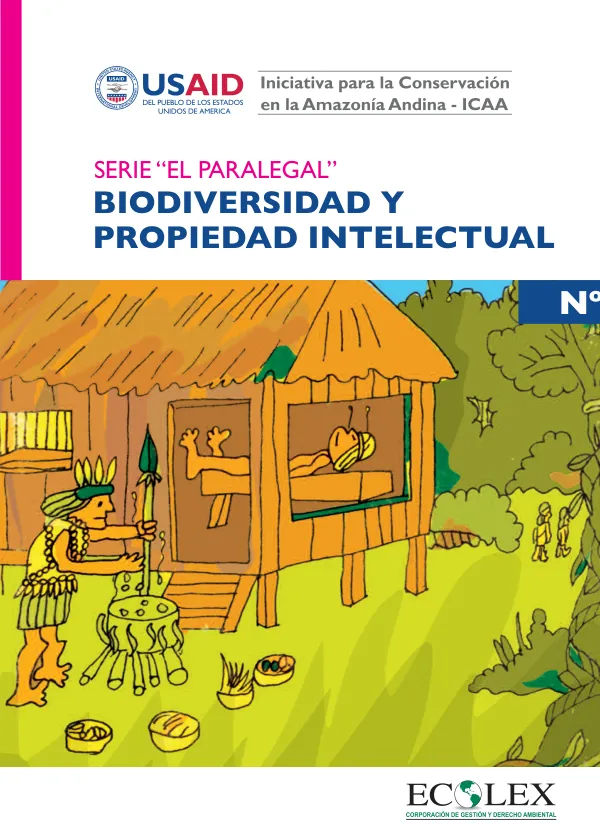
Biodiversidad y Propiedad Intelectual
The concept of biodiversity is central to the discussion of biodiversity and intellectual property in Ecuador.
2014 · 51 pages
Sign in to readA free account is required to download.
Abstract
Biodiversity refers to the variability of living organisms from any source, including terrestrial and marine ecosystems, and the ecological complexes of which they are a part. This concept encompasses the diversity within each species, between species, and of ecosystems. The two key elements of biodiversity are diversity, which refers to the variety of living organisms, and biological, which refers to the science of studying living organisms. The importance of biodiversity lies in its role in sustaining life on Earth. The relationships between living organisms are essential for maintaining the balance of ecosystems, and the loss of any species can have a ripple effect throughout the entire ecosystem. Biodiversity provides the basis for human survival, as it is the source of food, clothing, and shelter. Additionally, biodiversity has a spiritual value, as it allows humans to connect with nature and feel a sense of belonging to the natural world. Ecuador is one of the countries with the highest concentration of biodiversity, with over 10% of all plant species found on Earth and 22 times the number of bird species found in the United States. The Amazon rainforest in Ecuador is a particularly rich area of biodiversity, with a high concentration of plant and animal species. However, the loss of biodiversity in this region is a significant concern, as the destruction of habitats can lead to the loss of entire ecosystems. The relationship between biodiversity and industry is complex. On one hand, biodiversity provides a wealth of genetic resources that can be used for industrial purposes, such as the development of new medicines and crops. On the other hand, the exploitation of biodiversity without permission can be seen as biopiracy, or the theft of biological resources. In Ecuador, the government has recognized the importance of biodiversity and has established laws to protect it. The Ecuadorian government has established the Convenio de la Diversidad Biológica, which defines biodiversity as the variability of living organisms from any source. The government has also established the Reglamento Nacional de Acceso a Recursos Genéticos, which regulates the access to genetic resources. Additionally, the Ley de Propiedad Intelectual protects the intellectual property rights of communities and individuals who have traditional knowledge and innovations related to biodiversity. The importance of biodiversity is not limited to its economic value, but also its cultural and spiritual significance. The loss of biodiversity can have a profound impact on the cultural identity of communities and the spiritual connection they have with nature. In Ecuador, the government has recognized the importance of preserving biodiversity and has established laws to protect it. The relationship between biodiversity and intellectual property is complex, and there are different perspectives on how to balance the two. On one hand, the exploitation of biodiversity without permission can be seen as biopiracy, or the theft of biological resources. On the other hand, the use of traditional knowledge and innovations related to biodiversity can be seen as a way to promote sustainable development and preserve cultural heritage. The preservation of biodiversity is essential for maintaining the balance of ecosystems and ensuring the long-term sustainability of natural resources. In Ecuador, the government has recognized the importance of preserving biodiversity and has established laws to protect it. The use of traditional knowledge and innovations related to biodiversity can be seen as a way to promote sustainable development and preserve cultural heritage.