CONSERVATION STRATEGY FUND
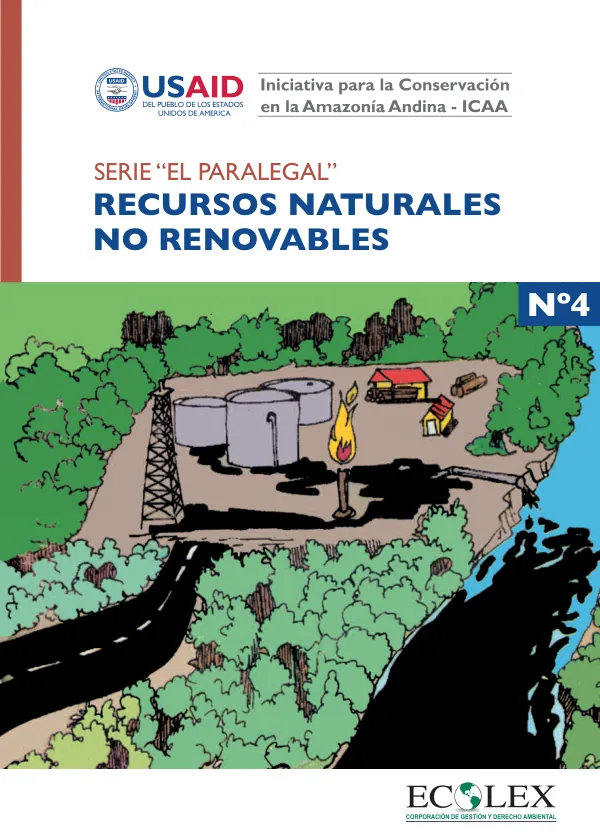
Recursos Naturales No Renovables
The concept of natural resources is central to the development and well-being of human societies.
2014 · 51 pages
Sign in to readA free account is required to download.
Abstract
Natural resources are defined as the collection of useful goods and services provided by nature to satisfy human physical and spiritual needs. These resources can be utilized immediately or after processing, and their usefulness depends on the level of technological development. The classification of natural resources as renewable or non-renewable is based on their capacity for regeneration. Non-renewable resources, such as those found beneath the earth's surface, are finite and can be depleted over time. In contrast, renewable resources, such as those found on the earth's surface, can be replenished naturally. The importance of natural resources cannot be overstated. They are essential for human existence and the prolongation of life, as they are necessary for all human activities. Natural resources also play a crucial role in sustaining the economy of states, financing their activities through the exploitation of these resources. Furthermore, natural resources are used to construct human habitats, adapting them to meet human needs. Additionally, the utilization of natural resources has enabled scientific and technological progress, making it possible for human societies to advance. However, the exploitation of natural resources can have devastating consequences for the environment. The irrational use of these resources can lead to the depletion of renewable resources, such as plants and animals, which are essential for maintaining ecological balance. The extraction of non-renewable resources, such as oil and gold, has contributed to environmental pollution, contaminating water, air, and soil. The industry of oil extraction, for example, has led to deforestation, displacement of wildlife, and pollution of rivers. The use of mercury in gold extraction has resulted in the release of toxic fumes into the atmosphere, posing a significant threat to human health. The effects of mercury poisoning can last for up to 100 years, highlighting the need for responsible and sustainable management of natural resources. In Ecuador, the exploitation of natural resources has been a contentious issue, with communities and organizations advocating for the protection of their rights and the environment. The Corporación de Gestión y Derecho Ambiental ECOLEX has been at the forefront of this effort, working to empower local communities and organizations to manage natural resources sustainably. The ECOLEX program aims to strengthen the capacities of local organizations, enabling them to develop and implement strategies for the sustainable use of natural resources. This is achieved through training and capacity-building initiatives, which focus on the principles of sustainable development, environmental law, and social justice. The program also seeks to promote the use of traditional knowledge and practices, which are essential for maintaining ecological balance and promoting sustainable development. In conclusion, the management of natural resources is a critical issue that requires a comprehensive and sustainable approach. The exploitation of these resources must be balanced with the need to protect the environment and promote social justice. By working together, we can ensure that natural resources are used responsibly and sustainably, promoting the well-being of human societies and the planet as a whole. The exploitation of natural resources is a complex issue that requires a multifaceted approach. In Ecuador, the Corporación de Gestión y Derecho Ambiental ECOLEX has been working to promote sustainable development and environmental protection. The organization has developed a range of initiatives aimed at empowering local communities and organizations to manage natural resources sustainably. One of the key challenges facing Ecuador is the need to balance economic development with environmental protection. The country's rich natural resources, including oil, gold, and other minerals, have made it an attractive destination for foreign investment. However, the exploitation of these resources has also led to significant environmental degradation and social impacts. The ECOLEX program has been working to address these challenges by promoting sustainable development and environmental protection. The organization has developed a range of initiatives aimed at empowering local communities and organizations to manage natural resources sustainably. These initiatives include training and capacity-building programs, which focus on the principles of sustainable development, environmental law, and social justice. The ECOLEX program also seeks to promote the use of traditional knowledge and practices, which are essential for maintaining ecological balance and promoting sustainable development. The organization has worked with local communities to develop and implement sustainable development plans, which take into account the needs and concerns of local stakeholders. In addition to its work with local communities, the ECOLEX program has also been working with government agencies and other stakeholders to promote sustainable development and environmental protection. The organization has developed a range of initiatives aimed at promoting sustainable development and environmental protection, including the development of environmental impact assessments and the promotion of sustainable land-use planning. Overall, the ECOLEX program is playing a critical role in promoting sustainable development and environmental protection in Ecuador. The organization's work with local communities, government agencies, and other stakeholders is helping to ensure that natural resources are used responsibly and sustainably, promoting the well-being of human societies and the planet as a whole.