USAID DEC
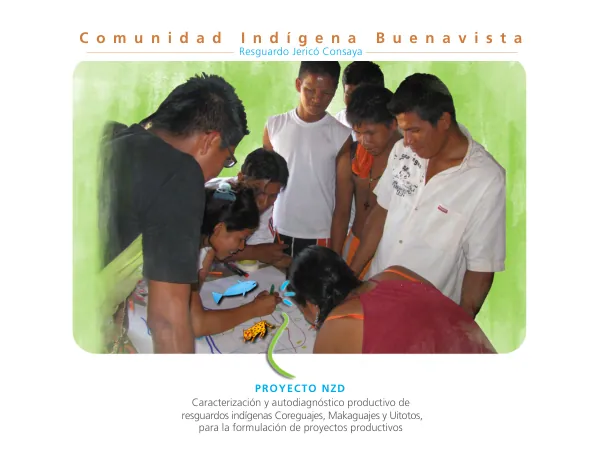
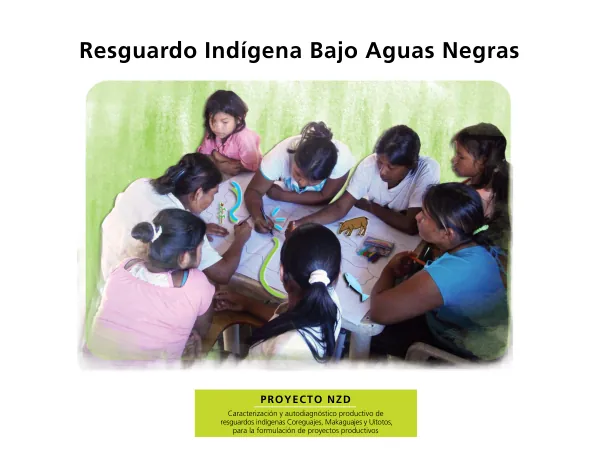
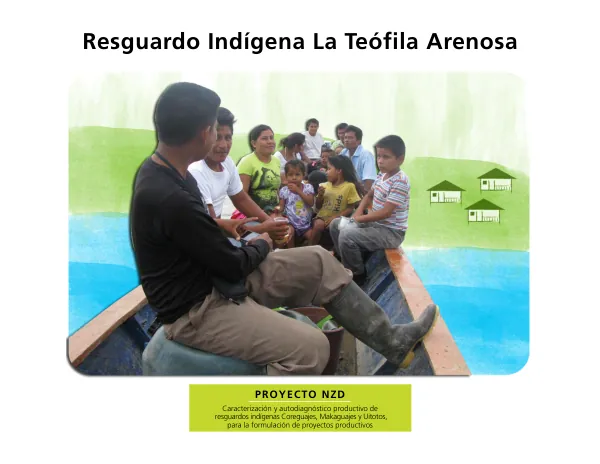
Caracterización y autodiagnóstico productivo de resguardos indígenas Coreguajes, Makaguajes y Uitotos, para la formulación de proyectos productivos
Sign inAMAZON CONSERVATION TEAM
Caracterización y autodiagnóstico productivo de resguardos indígenas Coreguajes, Makaguajes y Uitotos, para la formulación de proyectos productivos
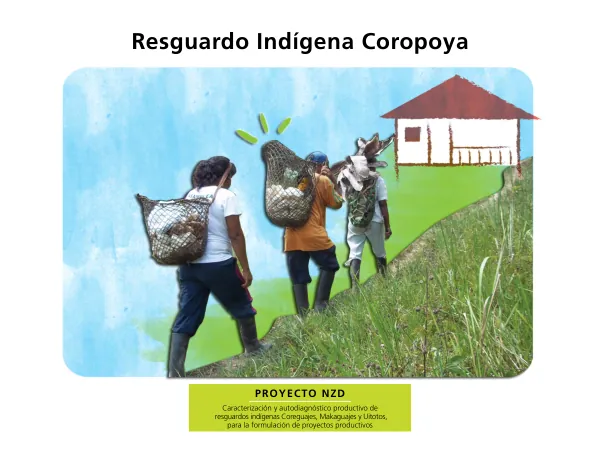
The Resguardo Indígena Coropoya is a community located in the municipality of Solano, Caquetá, Colombia.
2014 · 51 pages
Sign in to readA free account is required to download.
Abstract
The community is situated on the right bank of the Río Caquetá and is accessible by a six-hour boat ride from the capital city of Florencia or a two-hour boat ride from Puerto Solano. The community has a total area of 3,922.9 hectares, comprising mountains, rastrojos, lagunas, potreros, and zones for agricultural activities. The community is inhabited by 13 families with a total of 57 inhabitants, including 26 men and 31 women. There are 18 people under the age of 15, and the remaining population is adult. Only six people are over 60 years old, with the oldest being a 73-year-old man. Nine people have reached the level of bachillerato, and six of them have completed the 11th grade. Two adult individuals have not completed any level of education. The community is organized around the figure of the cacique, Simón Álvarez, who is responsible for rescuing and promoting the community's traditions and customs. The community holds ceremonies, known as mambe, in a small house covered with a black canopy and wooden boards, where they share stories and teach the importance of maintaining their cultural heritage. The community makes decisions through a cabildo indígena, which is composed of a cacique, a governor, a secretary, a fiscal, and a treasurer. Each member has a specific role and responsibility within the community. The community's economy is primarily based on agriculture, with many families engaged in farming and livestock activities. The community has a strong sense of tradition and culture, and they work together to maintain their customs and way of life. The Resguardo Indígena Coropoya is part of the Asociación de Cabildos Uitotos del alto Río Caquetá - ASCAINCA, and they have a strong sense of community and cooperation. The community has a number of challenges, including limited access to education and healthcare. However, they are working to address these issues through their own initiatives and with the support of external organizations. The community is also involved in the Net Zero Deforestation (NZD) program, which aims to reduce deforestation and promote sustainable land use practices. The community is working to develop their own plans for managing their land and resources, and they are receiving support and guidance from external organizations. The community's participation in the NZD program has been an important step in their efforts to protect their land and resources. They have been working to develop their own plans for managing their land and resources, and they have been receiving support and guidance from external organizations. The community's involvement in the NZD program has also helped to strengthen their sense of community and cooperation, and they are working together to address the challenges they face.
Related documents
Documents in this collection
 2014
2014USAID DEC
Caracterización y autodiagnóstico productivo de resguardos indígenas Coreguajes, Makaguajes y Uitotos, para la formulación de proyectos productivos
Open record 2014
2014USAID DEC