AVENIR HEALTH
Cost of Implementing Minimum Service Standards for Health in Indonesia
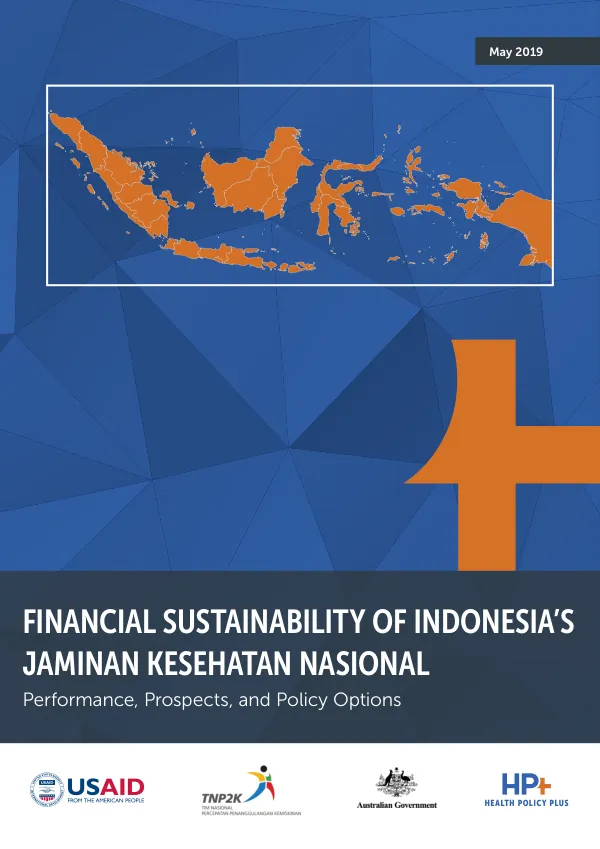
The government of Indonesia has maintained its commitment to universal health coverage through the establishment of the largest single-payer social health insurance scheme (Jaminan Kesehatan Nasional, or JKN) and has increased health insurance coverage to 83 percent.
2021 · 80 pages
Sign in to readA free account is required to download.
Abstract
In October 2020, health promotion and prevention totaled 0.2 percent of total JKN spending, and spending at first-level health facilities (Fasilitas Kesehatan Tingkat Pertama or FKTP) comprised 16 percent of total JKN payments (with the remainder spent at advanced referral health facilities (Fasilitas Kesehatan Rujukan Tingkat Lanjut or FKRTL) (DJSN, 2020). With the rising prevalence of non-communicable diseases (NCDs) and concerns regarding JKN's financial sustainability, Indonesia needs to shift its public health spending focus from curative to primary healthcare and to improve the efficiency of its public spending in the health sector. The latest regulations released in the Permenkes 4/2019 describe the minimum quality of mandatory services at the district level to reach 12 target populations, along with detailed technical standards for equipment, supplies, and human resources to accomplish 100 percent of health service coverage within each fiscal year. The 12 SPM address maternal and child health (MCH) services for pregnant women, delivery, newborns, children under five, and school-age children, communicable disease services for tuberculosis (TB) and HIV, non-communicable disease services for diabetes and hypertension, maternal, newborn, and child health (MNCH) services, and health promotion and prevention services. The study aimed to estimate the resource requirements for implementing the minimum service standards (SPM) for health in Indonesia. The costing approach used a combination of primary data collection and secondary data analysis. The study identified 12 SPM activities and sub-activities, which were categorized into four main areas: health promotion and prevention, maternal and child health, communicable disease services, and non-communicable disease services. The estimated SPM resource requirements in Indonesia were calculated based on the costs of personnel, equipment, supplies, and other resources required to implement the SPM activities and sub-activities. The study found that the estimated SPM resource requirements for Indonesia were significant, with a total of IDR 14.3 trillion (approximately USD 1 billion) required to implement the SPM activities and sub-activities in 2020. The study also identified enabling factors and challenges in SPM implementation at the district level. The enabling factors included the availability of resources, the capacity of district health offices, and the commitment of local governments. The challenges included the lack of resources, the limited capacity of district health offices, and the resistance to change from local governments. The study concluded that the implementation of the minimum service standards (SPM) for health in Indonesia requires significant resources and efforts from the government, local governments, and other stakeholders. The study recommended that the government and local governments prioritize the implementation of the SPM activities and sub-activities, and provide the necessary resources and support to ensure their successful implementation. The study's findings and recommendations have implications for the government's efforts to improve the efficiency of its public spending in the health sector and to achieve universal health coverage in Indonesia. The study's results can inform policy decisions and resource allocation in the health sector, and contribute to the development of effective strategies for implementing the SPM activities and sub-activities in Indonesia.