CARE
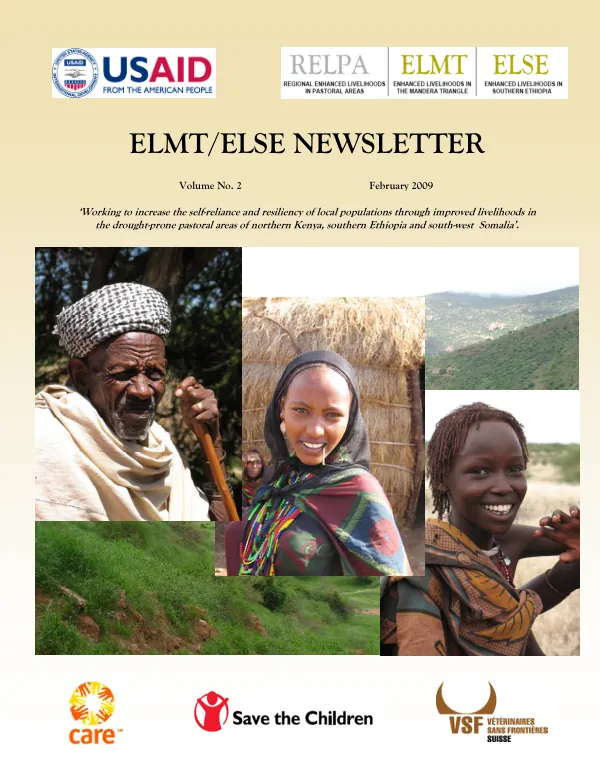
ELMT/ELSE NEWSLETTER Volume No. 2
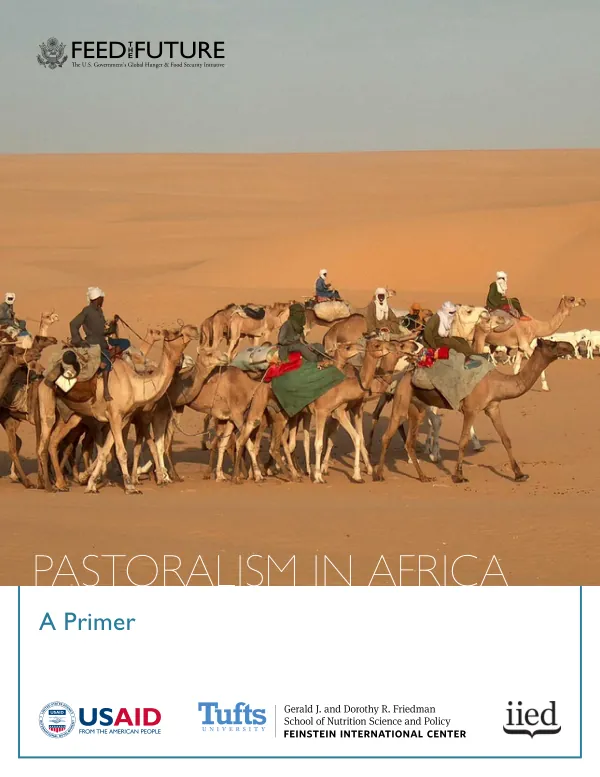
The Enhanced Livelihoods in the Mandera Triangle (ELMT) program aims to increase the self-reliance and resiliency of local populations through improved livelihoods in drought-prone pastoral areas of northern Kenya, southern Ethiopia, and south-west Somalia.
2009 · 32 pages
Sign in to readA free account is required to download.
Abstract
The program focuses on working with pastoralists to address global, regional, and local issues. Food price increases in the pastoral areas where ELMT works have been amongst the highest in the world. In 2008, sorghum prices increased in Somali Region, Ethiopia by as much as 450%, resulting in many Somali households selling as many as five goats to secure the same 50kg of cereals that the sale price of only one goat secured twelve months earlier. The global financial crisis has largely been obsessed with the effects on western pockets while considerably less attention has been paid on those actually benefiting from the crisis, but even more significantly, on the negative impacts of the crisis on the livelihoods of many across the developing world, including pastoralists in the Horn of Africa. Animal proteins are essential for human nutrition, particularly in the context of the global nutrition crisis. Animal proteins are more digestible than plant proteins, contain Vitamin A in usable form, and provide essential micro-nutrients. The proponents of the 'Green Revolution' are called upon to recognize that while bringing many benefits in terms of overall food production, this change has also resulted in the production of cheap energy food at the expense of dietary diversity and associated human health. Customary institutions play a crucial role in helping pastoral communities prepare for and adapt to global climate change. Recognizing and supporting these institutions can lead to effective adaptation and resilience-building strategies. The integration of pastoralists' indigenous knowledge and modern rangeland rehabilitation techniques has been crucial in identifying and removing problematic species, while maintaining the valuable ones. The ELMT program has been working with pastoralists to develop sustainable livelihoods and improve land management. The program's Technical Working Groups have been making good progress in addressing various issues, including climate change, natural resource management, and animal health. The program's focus on community-led decision-making and holistic management approaches has been instrumental in achieving positive results. In the pastoral sector, there is a rise in the number of pastoralist households who are 'crashing out' of the pastoral economy and looking to pursue alternative livelihoods. Relief and development actors will need to be increasingly sensitive to new and emerging challenges in Africa's rapidly changing drylands. The power of change and the importance of community-led initiatives are highlighted through the stories of individuals such as Fatuma, who has helped grow a pastoralist production group from an initial capital of US$7,000 to assets worth ten times that amount. The ELMT program's focus on capacity-building and community-led decision-making has been instrumental in achieving positive results. The program's Technical Working Groups have been making good progress in addressing various issues, including climate change, natural resource management, and animal health. The program's holistic management approach has been instrumental in developing sustainable livelihoods and improving land management.