USAID DEC
Engaging Young Men in the Informal Sector: A Story of Sexual and Reproductive Health in Abidjan
Sign inIDEO.ORG
Engaging Young Men in the Informal Sector: A Story of Sexual and Reproductive Health in Abidjan
Young men in Abidjan, Cote d'Ivoire, are primarily interested in engaging in sexual relationships.
2018 · 6 pages
Sign in to readA free account is required to download.
Abstract
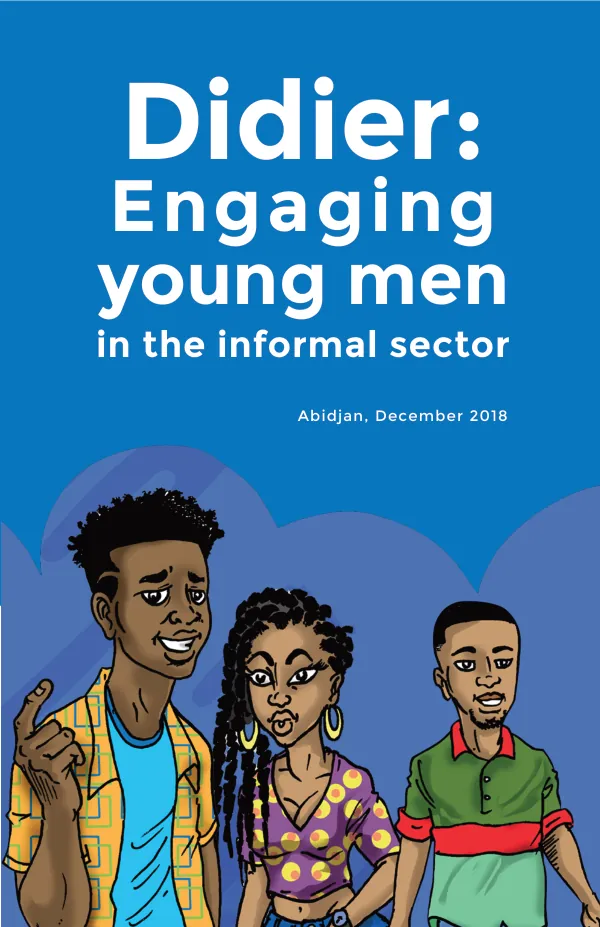
Rarely do they engage in conversations about sexuality with their peers, parents, or romantic partners. The risk of HIV may prompt some young men to use condoms, but unwanted pregnancy is not typically considered a concern. Instead, they often assume that their partner is responsible for preventing pregnancy. Young men in Abidjan are part of a vibrant social scene, frequently socializing with friends in local bars or local bars. They are drawn to these settings to interact with young women and engage in conversations about relationships. However, they are less likely to participate in formal educational activities focused on sexual and reproductive health. This is because they prefer to spend their time socializing and learning about relationships rather than attending classes. The majority of young men in Abidjan are born in the digital age and frequently use social media and Facebook to communicate with others. Approximately 55% of the youth population in Cote d'Ivoire is at high risk of contracting HIV, highlighting the importance of engaging with young men in the informal sector. This demographic is a significant portion of the population and cannot be ignored. The Transform/PHARE project aimed to facilitate debate and discussion on sexual and reproductive health with young men working in the informal sector in Abidjan. The project utilized a Facebook-based story with comic book visuals to engage young men and promote dialogue about SRH. The story was shared on Facebook for 10 consecutive weeks, and community mobilizers walked around three working-class communities of Abidjan to motivate young men to follow the story. Over 5,000 young men were reached through this face-to-face contact, and their phone numbers were collected to create a database for continued interaction and engagement via SMS. The story became popular among young men in Abidjan, with new followers joining each week and interacting with and commenting on the episodes. A Social Media Coordinator closely monitored comments and questions, reinforcing gender equality, condom use, and seeking information to prevent unwanted pregnancies. The project's future plans include testing new ways to further engage young men in the informal sector. This will involve increased interpersonal communication to support and build on the topics and themes presented on the Facebook page. The goal is to better target men in the informal sector and increase engagement. A Club Didier will be formed to facilitate group discussions about the Facebook story and its connection to sexual and reproductive health, gender equality, condom use, couples' communication, and contraception.