USAID DEC
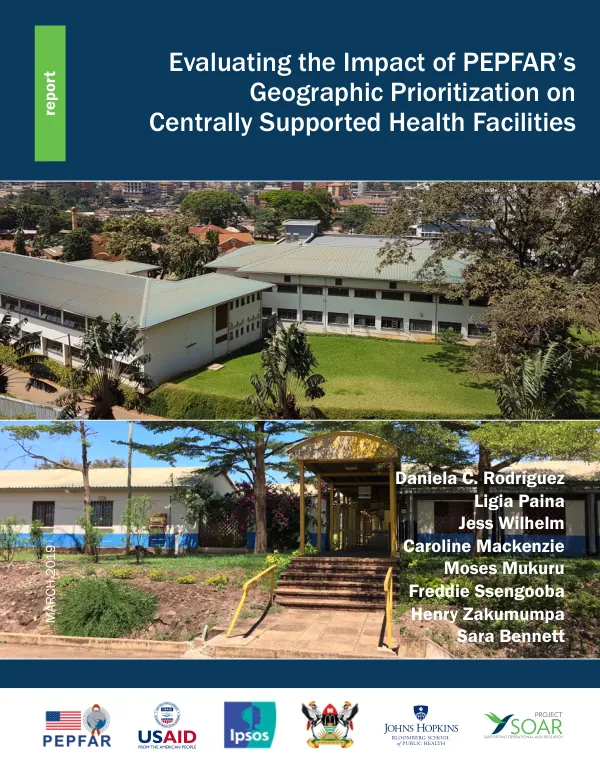
Evaluating the impact of PEPFAR’s geographic prioritization on centrally-supported health facilities
Sign inAVENIR HEALTH
Evaluating the impact of PEPFAR’s geographic prioritization on centrally-supported health facilities
The geographic prioritization process implemented by PEPFAR aimed to optimize the allocation of resources to centrally supported health facilities in Kenya and Uganda.
2019 · 62 pages
Sign in to readA free account is required to download.
Abstract
This process involved identifying and prioritizing geographic areas with the highest burden of HIV and AIDS, as well as those with the greatest need for health services. The study objectives were to evaluate the impact of PEPFAR's geographic prioritization on service delivery, assess the effectiveness of the prioritization process, and identify factors that support a smooth and sustainable transition. The study design involved a mixed-methods approach, combining both quantitative and qualitative data collection and analysis methods. Data collection and analysis were conducted in both Kenya and Uganda, with a focus on centrally supported health facilities. The results of the study indicate that the geographic prioritization process has had a positive impact on service delivery, with significant improvements in the availability and quality of health services in prioritized areas. The study also found that the prioritization process has led to increased efficiency and effectiveness in the allocation of resources, resulting in better health outcomes for people living with HIV and AIDS. The implementation of the geographic prioritization process involved several key steps, including the identification of priority areas, the development of a prioritization framework, and the allocation of resources to prioritized areas. The study found that the prioritization framework was effective in identifying areas with the greatest need for health services, and that the allocation of resources to these areas has resulted in significant improvements in health outcomes. The effects of geographic prioritization on service delivery were evaluated through a series of indicators, including the availability and quality of health services, the number of people accessing health services, and the health outcomes of people living with HIV and AIDS. The study found that the geographic prioritization process has led to significant improvements in these indicators, with prioritized areas experiencing higher levels of service availability and quality, as well as better health outcomes. The discussion of the study's findings highlights the importance of geographic prioritization in optimizing the allocation of resources to health facilities. The study's results suggest that the prioritization process has been effective in identifying areas with the greatest need for health services and allocating resources to these areas, resulting in significant improvements in health outcomes. However, the study also notes that there are limitations to the study's findings, including the potential for bias in the data collection and analysis methods. The conclusions of the study emphasize the importance of geographic prioritization in optimizing the allocation of resources to health facilities. The study's findings suggest that the prioritization process has been effective in identifying areas with the greatest need for health services and allocating resources to these areas, resulting in significant improvements in health outcomes. The study also highlights the need for continued support and resources to sustain the prioritization process and ensure that health facilities continue to provide high-quality services to people living with HIV and AIDS. The study's recommendations emphasize the importance of continued support and resources to sustain the prioritization process and ensure that health facilities continue to provide high-quality services to people living with HIV and AIDS. The study also recommends that PEPFAR and other stakeholders continue to monitor and evaluate the impact of the prioritization process, and make adjustments as needed to ensure that resources are being allocated effectively to areas with the greatest need for health services. The study's findings and recommendations have important implications for the continued implementation of PEPFAR's geographic prioritization process. The study's results suggest that the prioritization process has been effective in identifying areas with the greatest need for health services and allocating resources to these areas, resulting in significant improvements in health outcomes. However, the study also notes that there are limitations to the study's findings, including the potential for bias in the data collection and analysis methods. The study's conclusions and implications are summarized in the following key points: * The geographic prioritization process implemented by PEPFAR has had a positive impact on service delivery, with significant improvements in the availability and quality of health services in prioritized areas. * The prioritization process has led to increased efficiency and effectiveness in the allocation of resources, resulting in better health outcomes for people living with HIV and AIDS. * The study's findings suggest that the prioritization process has been effective in identifying areas with the greatest need for health services and allocating resources to these areas. * The study's results highlight the importance of continued support and resources to sustain the prioritization process and ensure that health facilities continue to provide high-quality services to people living with HIV and AIDS. * The study's recommendations emphasize the need for continued monitoring and evaluation of the impact of the prioritization process, and making adjustments as needed to ensure that resources are being allocated effectively to areas with the greatest need for health services.
Related documents
Documents in this collection
 2019
2019USAID DEC
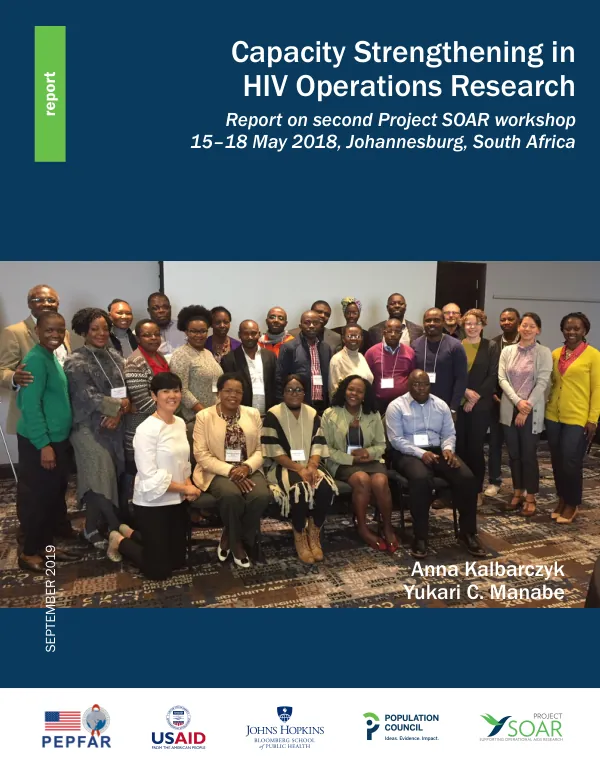
Capacity Strengthening in HIV Operations Research: Report on Second Project SOAR Workshop, 15–18 May 2018, Johannesburg, South Africa
Open record 2021
2021USAID DEC