GOVERNMENT OF COLOMBIA
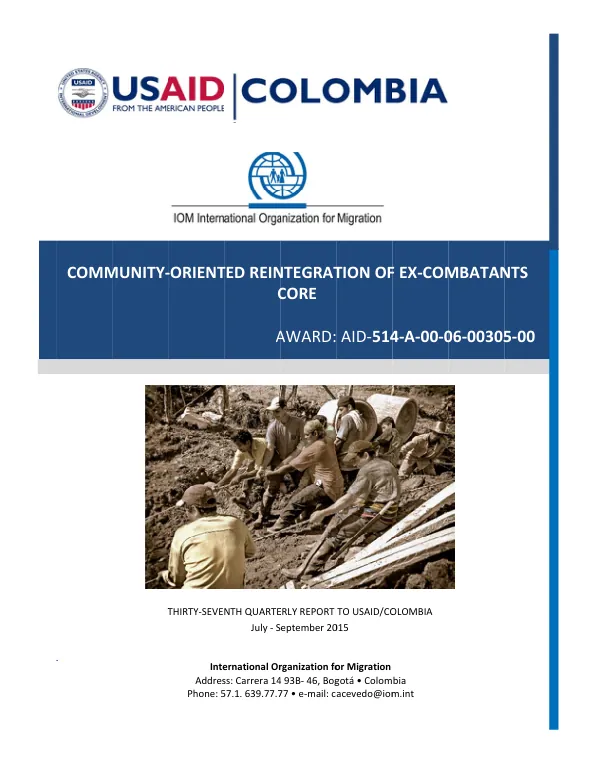
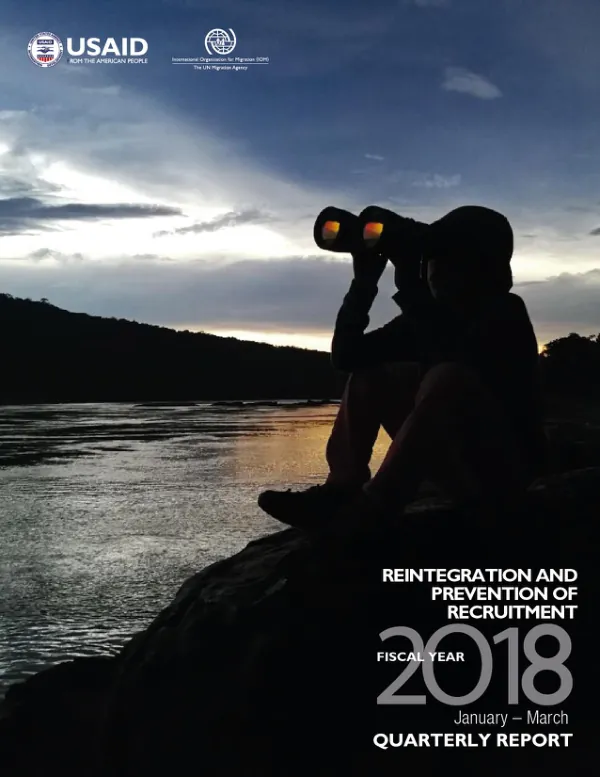
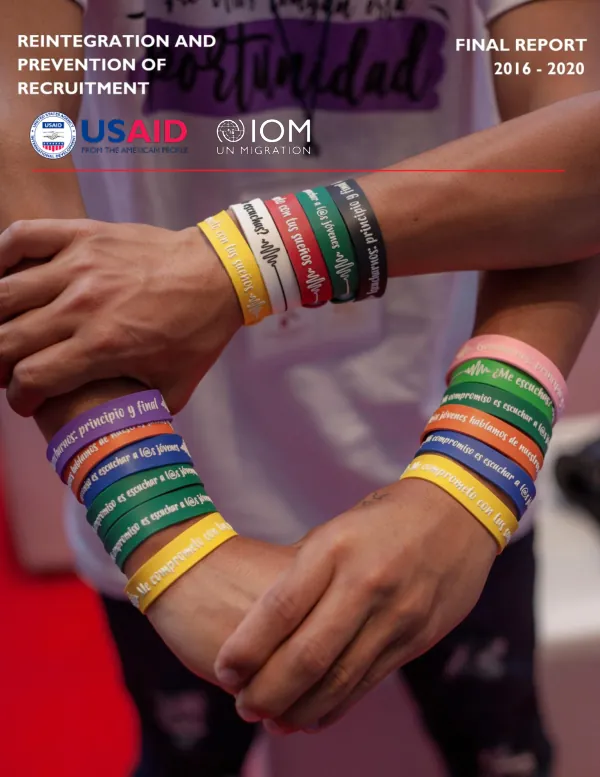
Final Report: Reintegration and Prevention of Recruitment Program in Colombia
The Reintegration and Prevention of Recruitment (RPR) Program was a four-year initiative implemented in Colombia from 2015 to 2020.
2020 · 137 pages
Sign in to readA free account is required to download.
Abstract
The program was funded by the United States Agency for International Development (USAID) and aimed to strengthen institutional capacities, promote interinstitutional coordination, and support community-based processes of prevention of recruitment, reintegration, and transitional justice in Colombia. The program's primary objective was to prevent the recruitment, use, and sexual violence against children and adolescents (CH&A) by Organized Armed Groups (GAO), provide specialized attention to disengaged CH&A, support the comprehensive and sustainable reintegration of former combatants, and implement transitional justice mechanisms. To achieve these goals, the program partnered with various institutions, including the Colombian Agency for Reintegration (ACR), the Attorney General's Office (AGO), and the Ministry of Justice and Law (MJD). The program's activities were focused on four key result areas: roll-out and early reintegration, prevention of recruitment and recidivism, economic and community reintegration, and interinstitutional coordination and communication. The program also integrated cross-cutting issues, such as gender-based violence, child protection, and transitional justice. Throughout its implementation period, the RPR Program made significant contributions to institutional strengthening, interinstitutional coordination, and community-based processes of prevention of recruitment, reintegration, and transitional justice in Colombia. At program completion in early 2020, the partner institutions were better positioned to design and implement relevant and sustainable public policies that addressed the needs of former combatants and vulnerable children and adolescents. The program's approach recognized the Government of Colombia's (GoC) leadership and targeted assistance to address GoC institutional capacities. By promoting an institutional architecture consistent with the GoC's commitments and obligations, the program developed and supported the ownership of methodologies and instruments that facilitated the implementation of actions. The program also jointly designed institutional routes with differential approaches and promoted interinstitutional coordination and articulation. The RPR Program's achievements were significant, and its impact will be sustained over time. The program's methodologies and strategies have been included within the institutional processes of partner institutions, and they coordinate with one another through established information-sharing systems and within dedicated forums. The program's success has contributed to the Government of Colombia's efforts to successfully reintegrate former combatants and protect the rights of CH&A most vulnerable to recruitment, use, and sexual violence across the country. The program's legacy will continue to benefit Colombia, as it has laid the groundwork for local reconciliation and peace. The RPR Program's approach has demonstrated the importance of institutional strengthening, interinstitutional coordination, and community-based processes in preventing recruitment, reintegration, and transitional justice. The program's achievements serve as a model for future initiatives aimed at promoting peace, stability, and human rights in Colombia and beyond.
Related documents