THE WORLD FOOD PROGRAMME
Food for Peace Fact Sheet: Iraq
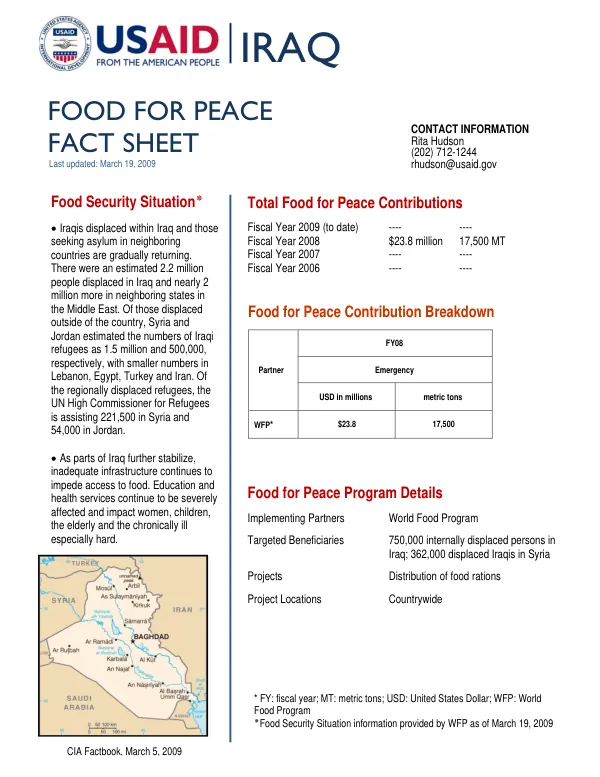
The Food for Peace program in Iraq began with a contribution of $23.8 million in fiscal year 2008, providing 17,500 metric tons of food assistance.
2009 · 1 pages
Sign in to readA free account is required to download.
Abstract
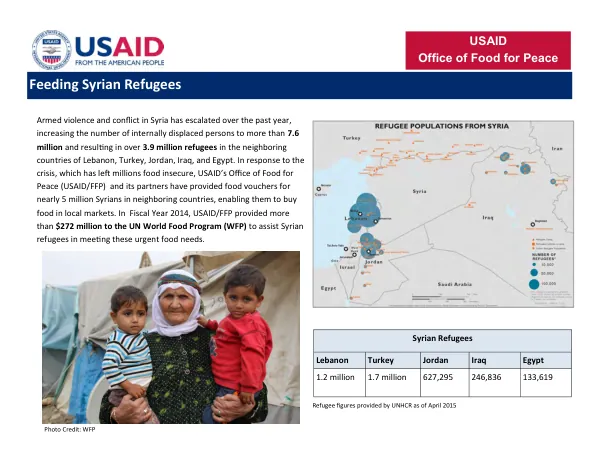
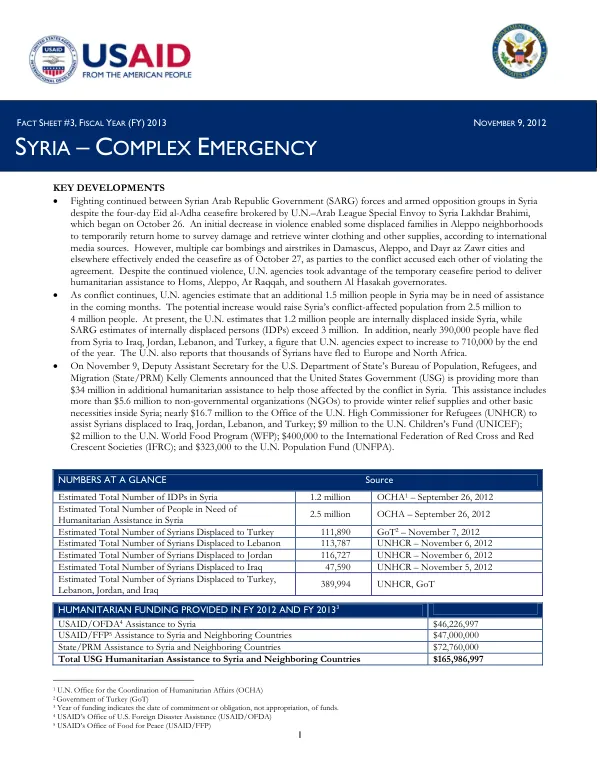
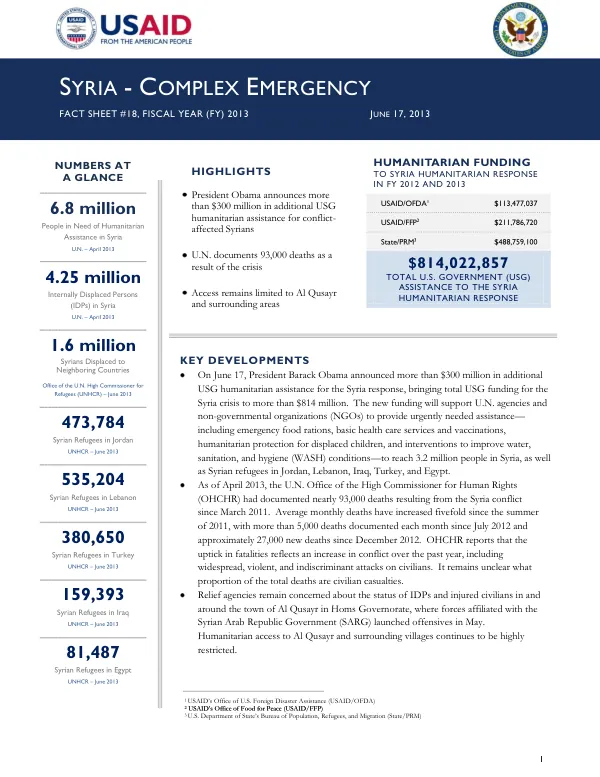
The World Food Program (WFP) served as the implementing partner, targeting 750,000 internally displaced persons in Iraq and 362,000 displaced Iraqis in Syria. The program's primary objective was to alleviate food insecurity among vulnerable populations. The distribution of food rations was a key component of the program, with a focus on providing assistance to those in need. The project locations spanned the entire country, with a countrywide approach to ensure that aid reached all affected areas. The WFP reported that Iraqis displaced within Iraq and those seeking asylum in neighboring countries were gradually returning, with an estimated 2.2 million people displaced in Iraq and nearly 2 million more in neighboring states in the Middle East. The food security situation in Iraq remained a pressing concern, with inadequate infrastructure continuing to impede access to food. Education and health services were severely affected, impacting women, children, the elderly, and the chronically ill particularly hard. The UN High Commissioner for Refugees was assisting 221,500 refugees in Syria and 54,000 in Jordan, with smaller numbers in Lebanon, Egypt, Turkey, and Iran. The WFP provided critical support to vulnerable populations, including internally displaced persons and refugees. The program's efforts aimed to alleviate food insecurity and provide a lifeline to those in need. The Food for Peace program's contribution of $23.8 million in fiscal year 2008 was a significant step towards addressing the food security challenges faced by Iraqis. The program's impact was evident in the improved food security indicators, with a focus on providing assistance to those in need. The WFP's efforts were crucial in addressing the food security challenges faced by Iraqis, particularly in the context of inadequate infrastructure and severely affected education and health services. The program's countrywide approach ensured that aid reached all affected areas, providing a vital lifeline to vulnerable populations.