THE WORLD FOOD PROGRAMME
Feeding Syrian Refugees
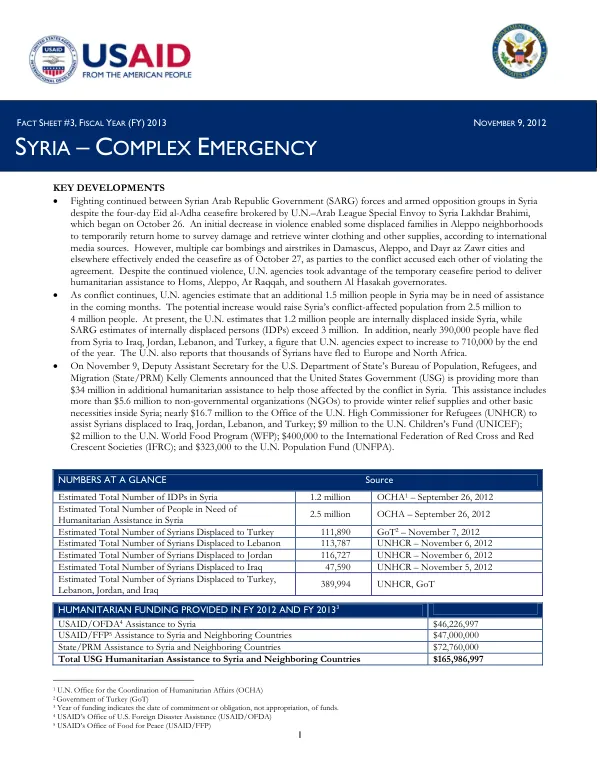
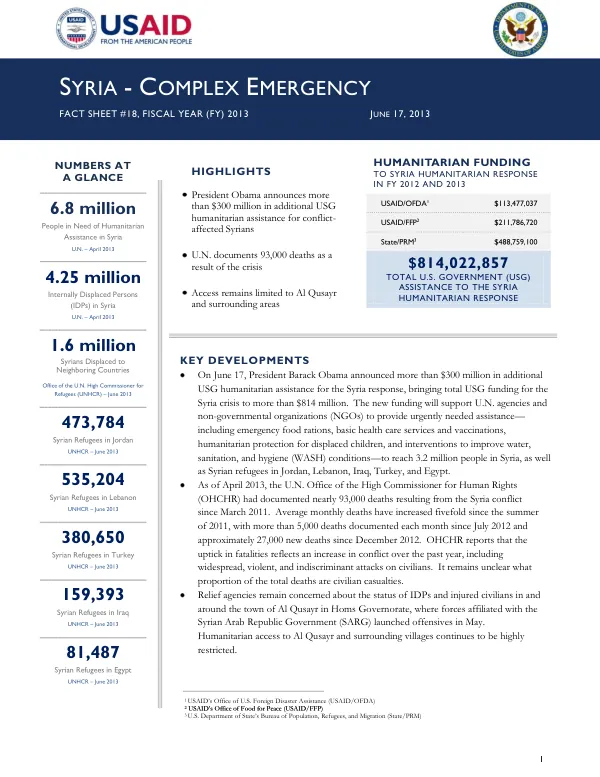
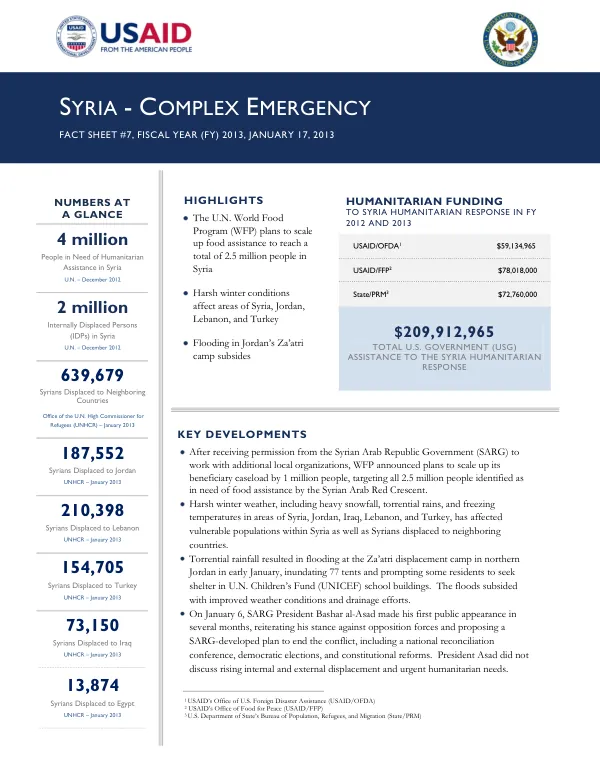
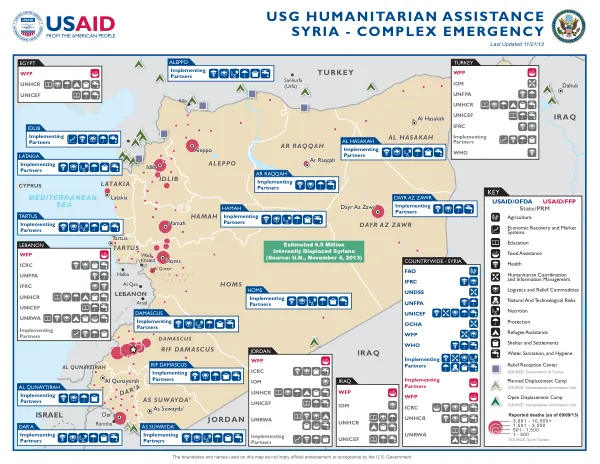
The Syrian refugee crisis has resulted in a significant increase in the number of internally displaced persons, exceeding 7.6 million, and a substantial number of refugees in neighboring countries.
2015 · 1 pages
Sign in to readA free account is required to download.
Abstract
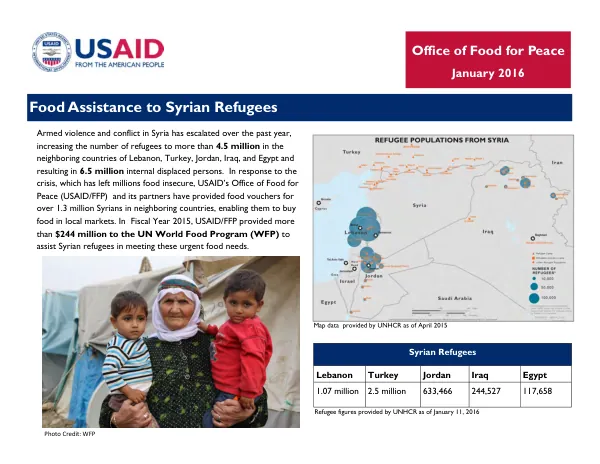
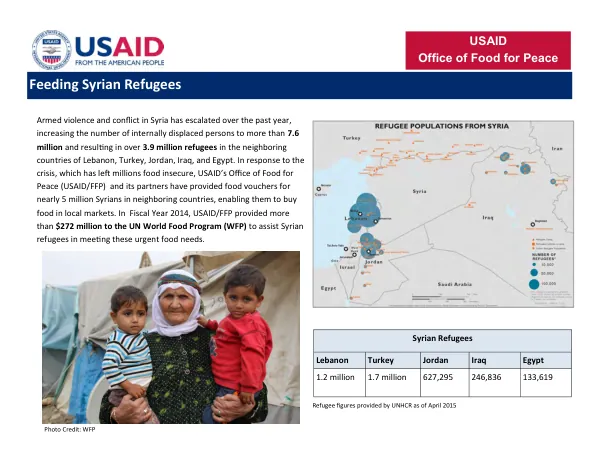
The crisis has led to widespread food insecurity, affecting millions of people. In response to this crisis, USAID's Office of Food for Peace (USAID/FFP) and its partners have implemented a program to provide food vouchers to nearly 5 million Syrians in neighboring countries, enabling them to purchase food in local markets. The program has been instrumental in addressing the urgent food needs of Syrian refugees. In Fiscal Year 2014, USAID/FFP provided more than $272 million to the UN World Food Program (WFP) to support the program. The WFP has been working closely with local partners to distribute food vouchers to refugees in need. The program has been successful in providing refugees with access to food, thereby alleviating some of the suffering caused by the crisis. The refugee figures in neighboring countries are staggering, with Lebanon hosting the largest number of refugees, exceeding 1.7 million. Turkey has also taken in a significant number of refugees, with over 1.2 million people seeking shelter. Other countries in the region, including Jordan, Iraq, and Egypt, have also received a substantial number of refugees, with 627,295, 246,836, and 133,619 refugees, respectively. These figures are based on data provided by the UN High Commissioner for Refugees (UNHCR) as of April 2015. The program has been instrumental in addressing the food needs of refugees, but it also highlights the need for a comprehensive approach to address the root causes of the crisis. The program's success in providing food vouchers to refugees has been a crucial step in alleviating some of the suffering caused by the crisis. However, the long-term solution to the crisis requires a sustained effort to address the underlying causes of the conflict and provide support to the affected communities. The program's impact has been significant, with the WFP reporting a substantial increase in the number of refugees accessing food assistance. The program's success has also highlighted the importance of partnerships and collaboration in addressing complex humanitarian crises. The program's experience has demonstrated the effectiveness of food vouchers in providing refugees with access to food, and it has provided valuable lessons for future humanitarian responses.
Related documents