USAID DEC
From Theory to Practice: Towards a Framework for Primary Prevention in Child Protection in Humanitarian Action
Sign inUNICEF
From Theory to Practice: Towards a Framework for Primary Prevention in Child Protection in Humanitarian Action
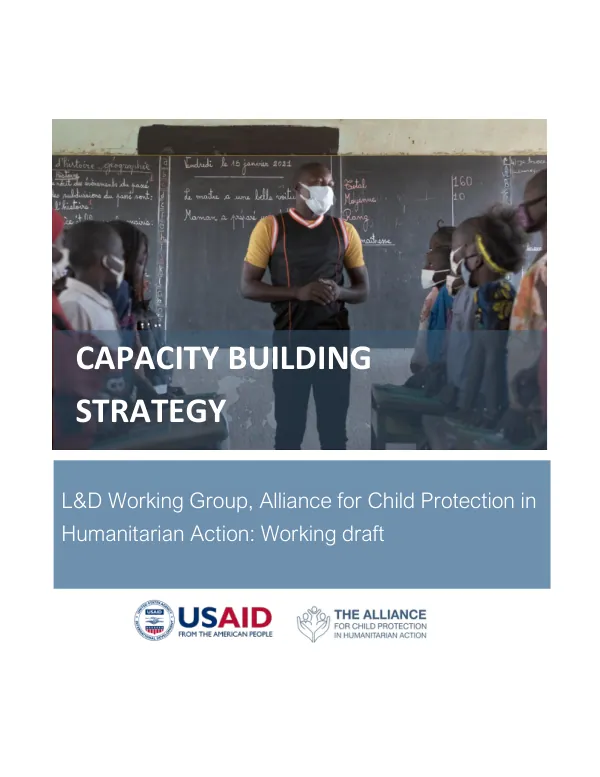
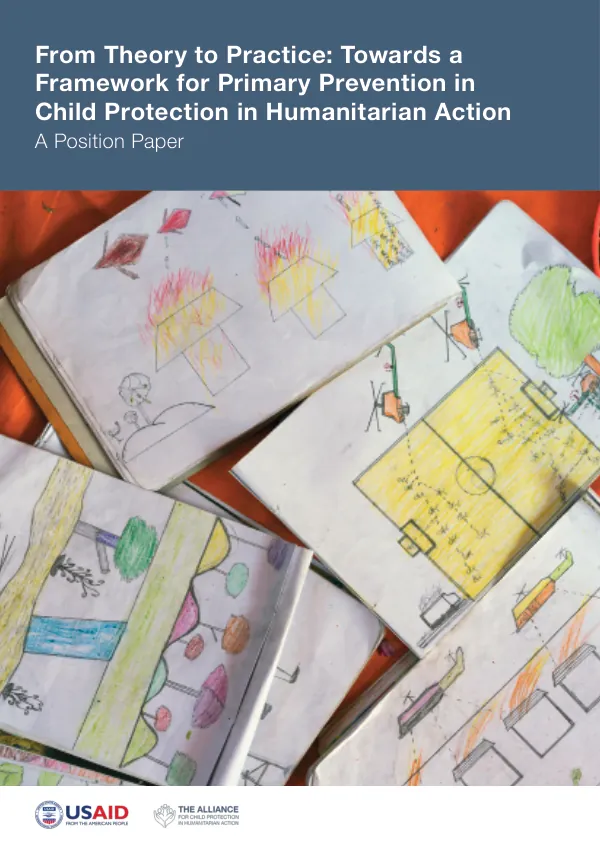
The Alliance for Child Protection in Humanitarian Action developed a position paper titled "From Theory to Practice: Towards a Framework for Primary Prevention in Child Protection in Humanitarian Action."
2021 · 71 pages
Sign in to readA free account is required to download.
Abstract
The paper was written by Celina Jensen and benefited from technical inputs from several experts. The production of the paper was made possible by the generous support of the American people through the United States Agency for International Development (USAID). The paper's objective is to make the conceptual argument that a primary prevention approach in child protection in humanitarian action is both necessary and achievable. It discusses why a primary prevention approach is essential and describes ways forward by outlining the core elements and key steps required for a prevention framework of action. The paper emphasizes that prevention plays a pivotal role in maintaining the well-being and protection of children, is key to making children's rights a reality, and is critical to reaching the Sustainable Development Goals (SDGs). It highlights the importance of turning to the documented learning and best practices of other sectors, such as psychology and child developmental science, to advance primary prevention work in child protection in humanitarian action. The paper defines prevention in child protection in humanitarian action as actions, policies, and practices that seek to reduce, mitigate, or discourage specific or predictable problems, protect children's well-being, and promote desired outcomes or behaviors. It outlines the three levels of prevention: primary, secondary, and tertiary, as defined by the Minimum Standards for Child Protection in Humanitarian Action (CPMS). The focus of the paper is on primary prevention, which addresses the root causes of child protection risks among the population to reduce the likelihood of abuse, neglect, exploitation, or violence against children. The goal of primary prevention is to achieve a reduction in the incidence of harm by intervening before the occurrence of an undesirable outcome. The paper highlights the need to prioritize prevention in child protection in humanitarian action, citing the scarcity of existing evidence on the causal pathways of harmful outcomes for children, including risk and protective factors. It emphasizes the importance of identifying and assessing risk and protective factors, engaging children, caregivers, and community members at each step of the program cycle, ensuring multi-level alignment, supporting multi-sectoral integration, and promoting strategies that build strengths based on identified factors. The paper concludes that prevention in child protection in humanitarian action is possible and that a primary prevention approach is both necessary and achievable. It outlines the core elements and key steps required for a prevention framework of action, including identifying and assessing risk and protective factors, engaging children, caregivers, and community members, ensuring multi-level alignment, supporting multi-sectoral integration, and promoting strategies that build strengths based on identified factors. The paper's recommendations include developing resources to guide practitioners in identifying and understanding risk and protective factors, developing a prevention framework of action, and engaging children, caregivers, and community members at each step of the program cycle. It also emphasizes the importance of ensuring multi-level alignment, supporting multi-sectoral integration, and promoting strategies that build strengths based on identified factors. Overall, the paper provides a comprehensive framework for primary prevention in child protection in humanitarian action, highlighting the importance of prevention, outlining the core elements and key steps required for a prevention framework of action, and providing recommendations for practitioners, policymakers, and other stakeholders.
Related documents