FAO
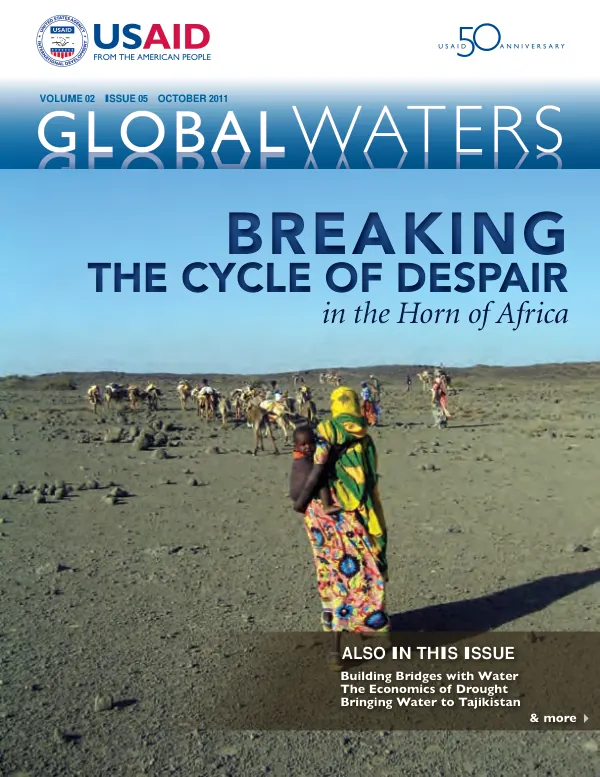
Global Waters Magazine: The Cycle of Despair in the Horn of Africa
The Horn of Africa is experiencing its worst drought in decades, with severe water shortages and famine gripping the region.
2011 · 19 pages
Sign in to readA free account is required to download.
Abstract
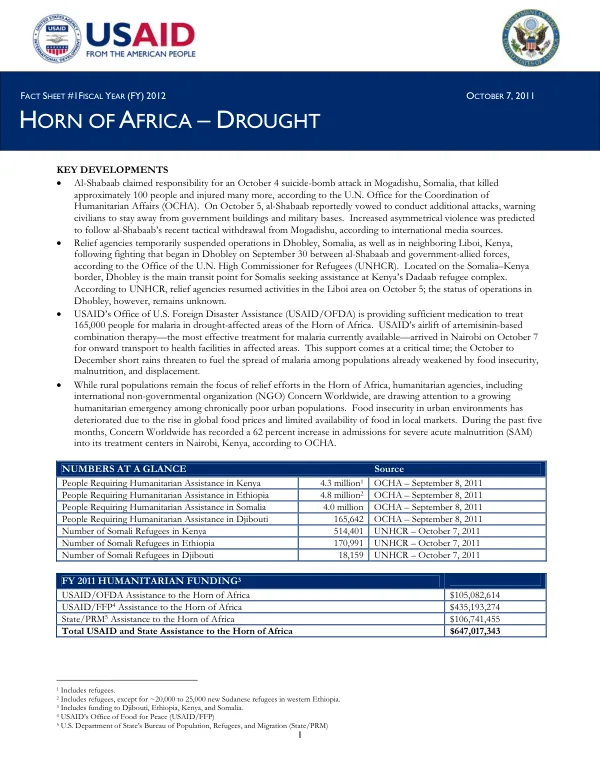
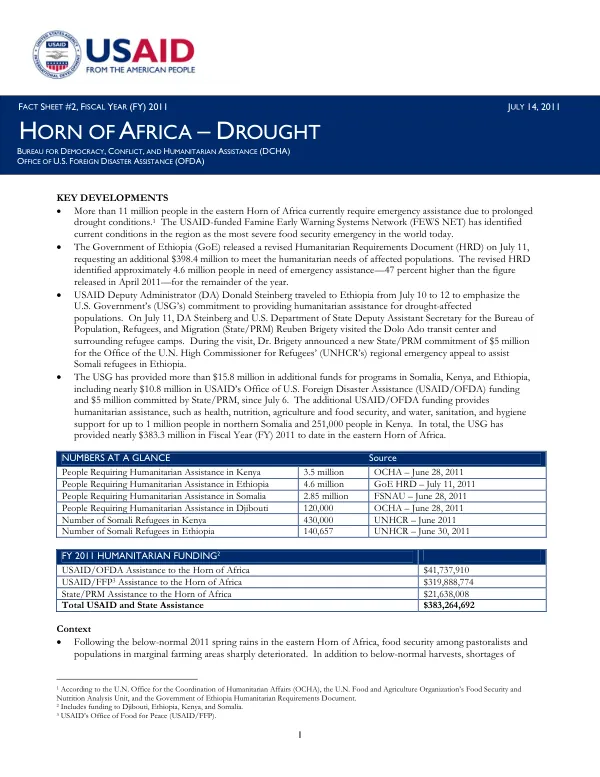
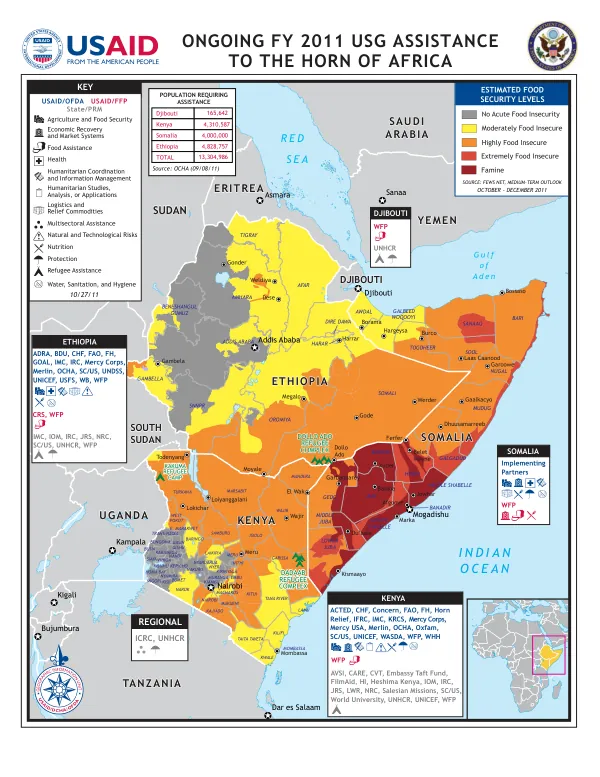
The lack of rainfall and subsequent water shortages have led to a catastrophic drought and famine, claiming tens of thousands of lives, including 29,000 children in the past three months alone. Over 13 million people across Somalia, Ethiopia, Kenya, and Djibutti are in need of humanitarian assistance, with Somalia experiencing its worst annual crop production in 17 years. The situation is particularly dire in southern Somalia, where a complex web of factors fuels the ongoing famine, including degradation of the natural environment, severe water shortage, and two decades of conflict. The country is experiencing record-high prices for staple crops like sorghum and maize, with grains being 350% more expensive than last year. High livestock mortality and curtailed labor demand have exacerbated the situation, leading to over 680,000 Somalis fleeing to refugee camps in Ethiopia and Kenya. USAID has been at the forefront of emergency assistance in the Horn, providing approximately $650 million in humanitarian and food aid in fiscal year 2011. The agency works closely with its partners to provide emergency water, sanitation, and hygiene interventions, including trucking water to drought-affected communities and rehabilitating water supply infrastructure. USAID also funds the Famine Early Warning System Network (FEWS NET), which has monitored weather changes in food-insecure regions worldwide for over 25 years. FEWS NET detected early signs of the current Horn crisis in August 2010, many months prior to the first official drought declarations. This early alarm allowed USAID to position food reserves and initiate emergency programs in January 2011. The program uses remote sensing imagery to examine rainfall and agricultural conditions, and can even monitor surface-water variability over time and space. The Integrated Food Security Phase Classification (IPC) Tool, a classification system and map that depicts levels of food insecurity on the ground, played a valuable role in generating consensus and allocating relief supplies. The effects of decreasing rainfall on vegetation in the Horn of Africa have been dramatic, with comparing rainfall maps of April 2010 and April 2011 illustrating the impact of lack of rain on vegetation in the region. Dr. Gabriel Senay, an Ethiopian-born hydrologist, notes that long-term strategies are needed to prevent suffering in the region. USAID Administrator Rajiv Shah has emphasized the need for long-term solutions to address the root causes of the crisis, including environmental degradation and conflict. The situation in the Horn of Africa is complex and multifaceted, requiring a comprehensive approach to address the root causes of the crisis. USAID's efforts to provide emergency assistance and support long-term solutions are critical to mitigating the effects of the drought and famine. The agency's work with its partners, including FEWS NET and the IPC Tool, has helped to generate consensus and allocate relief supplies, and will continue to be essential in addressing the crisis in the Horn of Africa.