USAID DEC
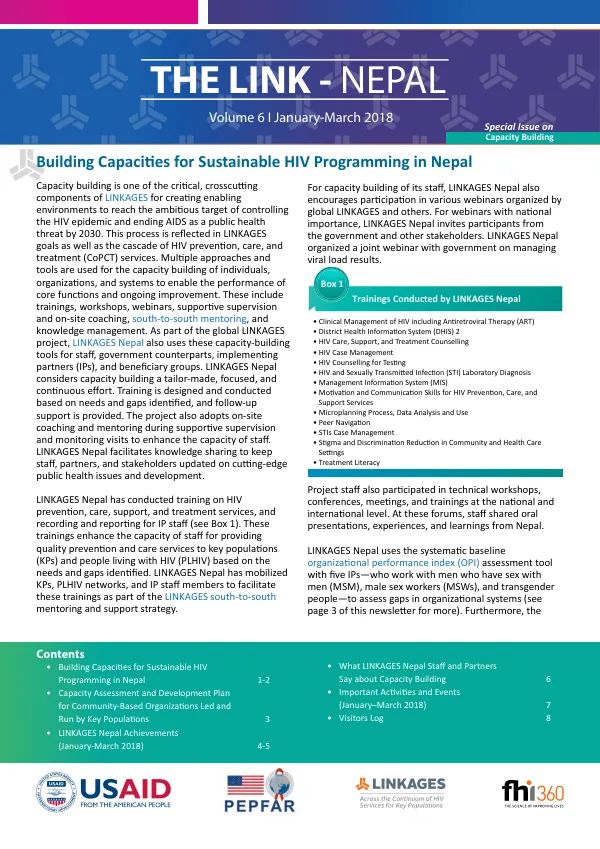
LINKAGES Nepal provides technical assistance to build capacity of COVID-19 testing labs
Sign inLINKAGES
LINKAGES Nepal provides technical assistance to build capacity of COVID-19 testing labs
The region's agricultural sector was characterized by small-scale farming, with the majority of farmers relying on rain-fed agriculture and lacking access to modern inputs and technologies.
2021 · 2 pages
Sign in to readA free account is required to download.
Abstract
The training programs emphasized the importance of soil conservation, crop rotation, and composting, and were tailored to the specific needs of small-scale farmers in the region. The initiative's focus on empowering women farmers was seen as a key factor in the program's success, as women were more likely to adopt and adapt new agricultural practices. The program's impact on poverty reduction and food security was significant, with the majority of participants reporting improved access to nutritious food and increased income. The initiative's success was attributed to the collaborative efforts of local government agencies, NGOs, and private sector partners. The program's focus on building capacity and empowering local communities was seen as a key factor in its sustainability and scalability. The initiative's lessons and best practices were shared with other countries in the region, with the goal of promoting agricultural development and food security in Eastern Africa.
Connected topics