USAID DEC
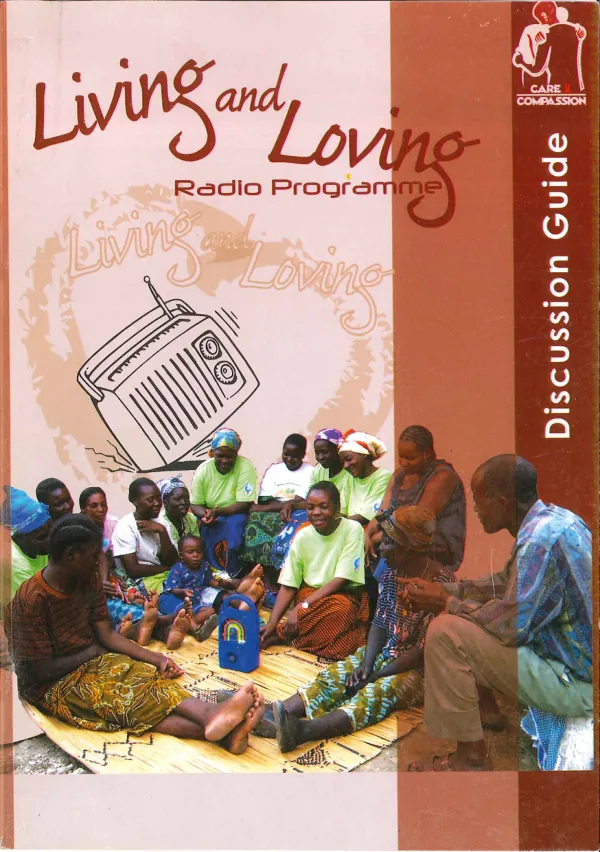
Listeners' Guide for Living and Loving Radio Programme
The AIDS pandemic affecting Southern Africa has hit Zambia particularly hard.
2015 · 48 pages
Sign in to readA free account is required to download.
Abstract
HIV prevalence is currently estimated at between 16 - 19%, which translates to approximately 1.1 million Zambians living with HIV/AIDS in urban areas. Nearly every family has been touched in some way, either by caring for someone who is ill, taking in orphaned children, or attending more funerals than usual. Being able to cope with HIV/AIDS requires accurate information and skills, and with the introduction of antiretrovirals (ARVs) into the country, this need has multiplied. Issues surrounding eligibility, adherence, and access have become very important. Stigma was identified as a key factor in urban areas, being among the most challenging barriers to people accessing care, treatment, and support. Respondents attributed stigma to a lack of knowledge about HIV and AIDS, particularly a poor understanding of how people can live with HIV. To address this need, the "Living and Loving" radio programme was developed to provide reliable, consistent, and accurate information to people living with HIV/AIDS (PLHAs) and their caregivers. The programme is a 26-serial radio programme, each 30 minutes long, with a particular theme connected to living positively with HIV. The programme format includes serial drama, testimonials, letters from viewers, and local proverbs and slogans to strengthen messages. The programme aims to provide PLHAs and caregivers with the information and skills they need to live well with HIV/AIDS. To facilitate the dissemination of this information, listening groups were established as part of the programme's mandate. These groups bring together PLHAs and caregivers to discuss information, adopt new behaviours, and enable those infected to live positively. The programme also allows PLHAs who are not ready to disclose their status to access needed information. The primary audience for the programme includes people living with HIV/AIDS and their caregivers, while the secondary audience includes caregivers who come to the home but are not family members, community health workers, and clinic-based service providers. The programme is designed to be accessible to PLHAs and caregivers in rural areas, where access to information, networks, and services is limited. To conduct successful listeners' groups, guidelines have been established to ensure that the discussion is facilitated effectively. These guidelines include ensuring that no one dominates the discussion, respecting all answers and comments, and encouraging members to keep their comments brief. The facilitator is also encouraged to pay close attention to the person speaking, bring in professionals to answer questions when necessary, and encourage all members to discuss their thoughts on how the discussion group is going. Before each programme, the facilitator welcomes participants, explains the topic of the day's programme, and invites participants to think about their own responses to the topics. The facilitator also reminds participants that they can provide them with the list of organisations that can respond to their problems and questions. After each programme, the facilitator invites participants to open the discussion, reminds them to listen carefully to each other, and uses the questions provided for each programme as a way to guide participants. The facilitator also makes notes of the most interesting comments and questions and provides comments of their own to make the programme more beneficial to PLHAs.