ENGENDERHEALTH
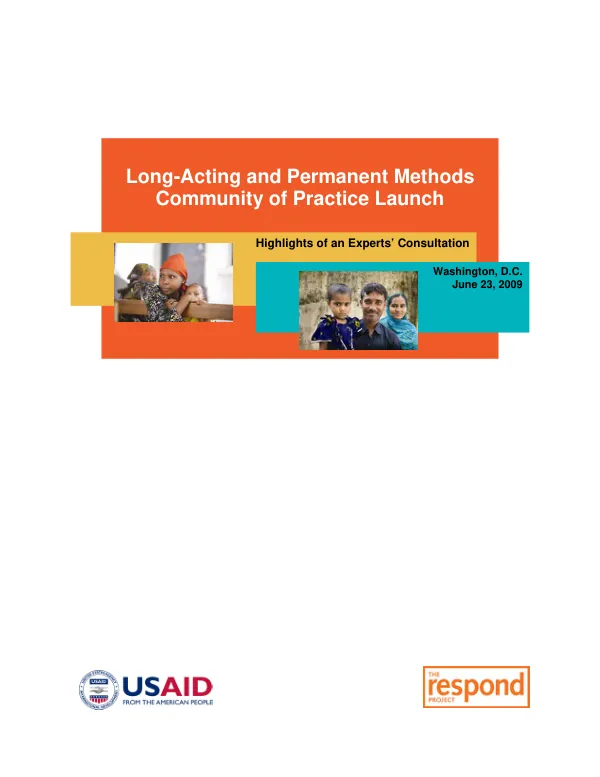
Long-Acting and Permanent Methods Community of Practice Launch
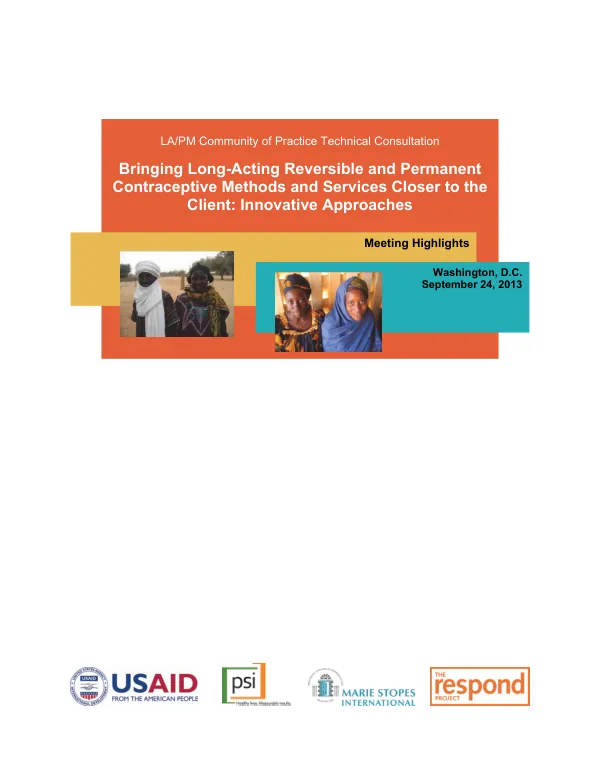
The Long-Acting and Permanent Methods Community of Practice (LA/PM CoP) has been established to focus attention and energy on making the underutilized long-acting (IUDs and implants) and permanent (male and female sterilization) methods of contraception more widely available to meet the needs of individuals and couples worldwide.
2009 · 16 pages
Sign in to readA free account is required to download.
Abstract
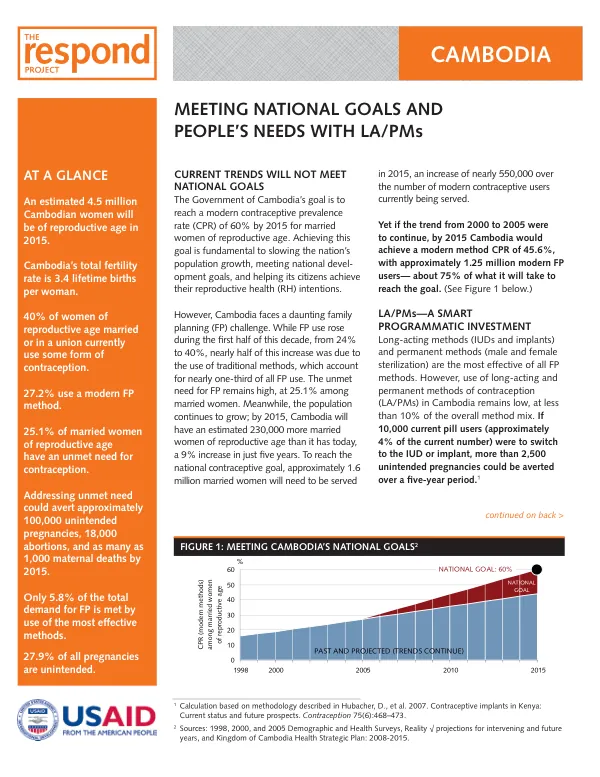
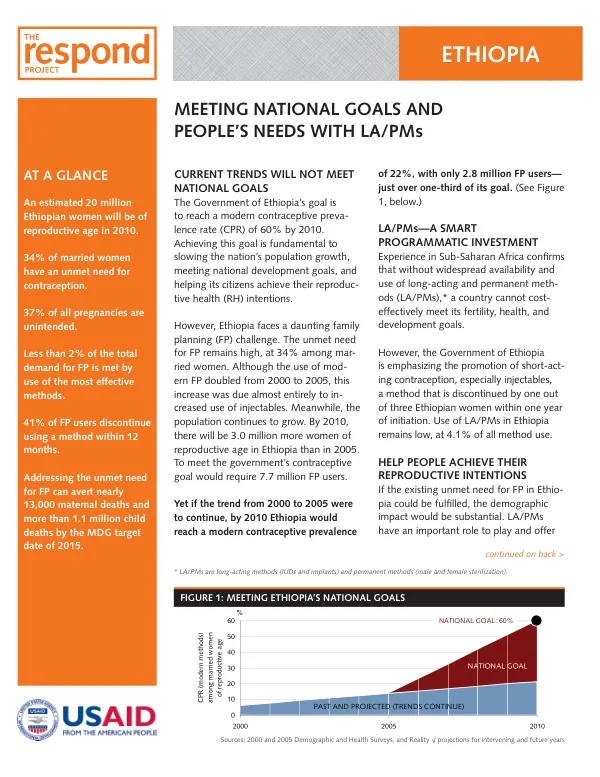
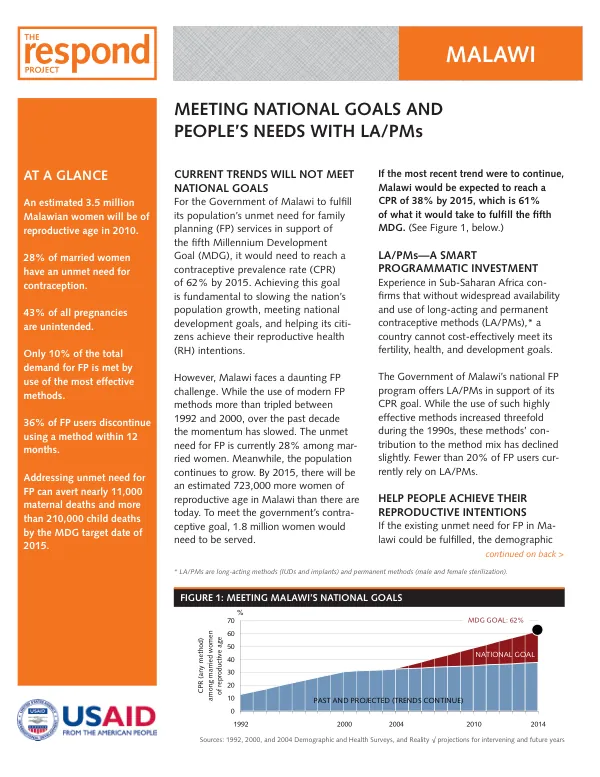
LA/PMs are appropriate for various groups, including postpartum and postabortion clients, youth, and men, and can be used both for spacing and limiting births, as well as for delaying first births. The aim is to promote method choice, not particular methods. The objectives of this LA/PM CoP launch meeting were to share the latest global data on the status of LA/PMs, exchange information about participating organizations' respective experience with LA/PMs, with a spotlight on implant experiences, planned implant activities, and programmatic issues, clarify what a CoP is, explain the purpose of the LA/PM CoP, and generate interest and engagement from invited organizations. Approximately 80 participants from 27 organizations in the nonprofit, government, and private sectors attended the launch. A CoP is a group of people who share a concern or passion about a particular topic and who deepen their knowledge and expertise in this area by interacting on an ongoing basis. The three key characteristics of a CoP are the domain, the community, and the practice. The domain is the shared interest or topic area, the community consists of the people and organizations pursuing involvement with the domain, and the practice is the shared repertoire of resources, including practitioners relating their experiences, describing their tools, and explaining how they address recurring problems. The status of LA/PMs is a pressing concern, as FP has lost momentum in many countries in recent years, and LA/PMs have lagged even farther behind than short-acting methods. Countries now face a daunting FP challenge, with contraceptive prevalence having stalled while populations continue to grow, increasing the unmet need to delay, space, and limit births and widening the gap between contraceptive prevalence and national goals. LA/PMs could significantly contribute to fulfilling this unmet need and to enabling countries to meet their population, health, and development goals. LA/PMs pose particular programmatic challenges, including higher up-front costs, unique commodity and equipment requirements, and managing human resource constraints. Issues that need to be better understood include the most effective ways to incorporate accurate information and messages about LA/PMs into behavior change communication approaches. The LA/PM CoP aims to address these challenges and promote the use of LA/PMs as part of the method mix to address the dissonance between women's expressed reproductive intentions and their method use. The meeting highlighted the importance of LA/PMs in meeting the needs of individuals and couples worldwide and the need to address the challenges associated with their use. The LA/PM CoP aims to bring together a diverse group of professionals to share knowledge, solve problems, and develop new ways of doing things, with the ultimate goal of making LA/PMs more widely available and enabling countries to meet their population, health, and development goals.