USAID DEC
Monitoring, Evaluation, and Coordination Contract (MECC): Accelere! Partnerhip Review Findings Report
Sign inINTERNATIONAL BUSINESS AND TECHNICAL CONSULTANTS, INC.
Monitoring, Evaluation, and Coordination Contract (MECC): Accelere! Partnerhip Review Findings Report
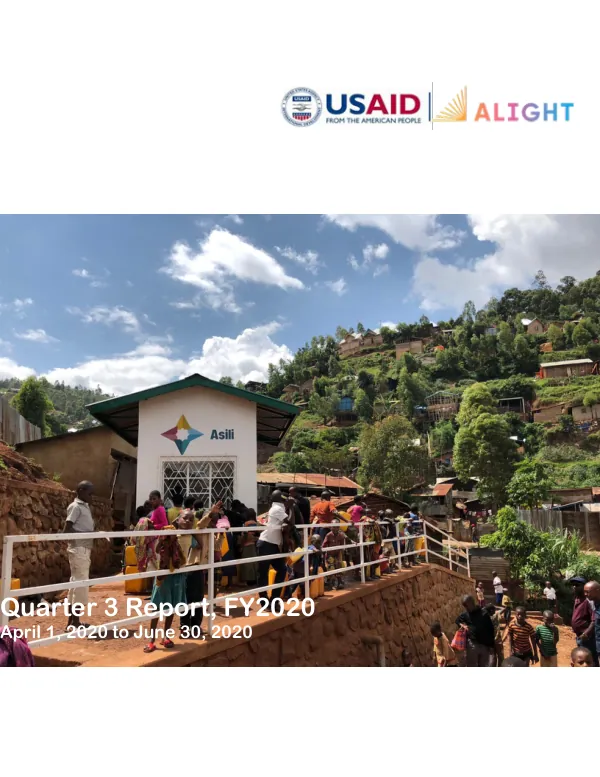
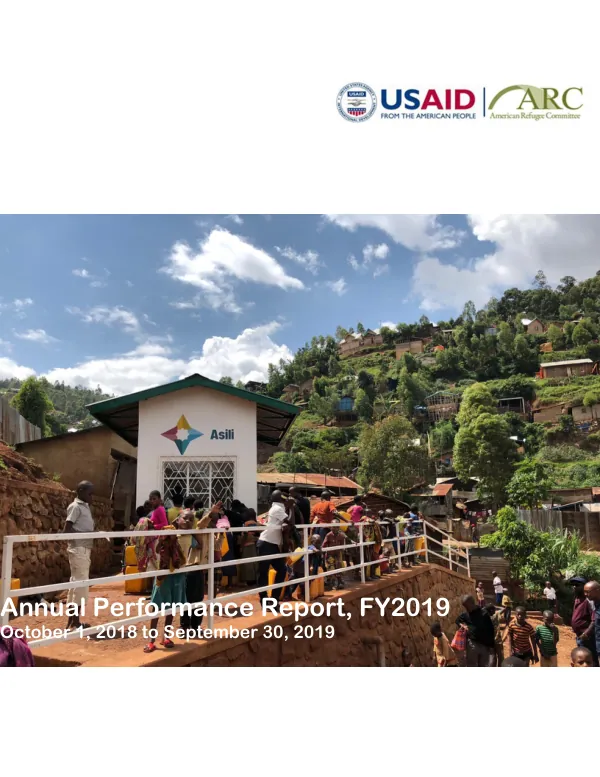
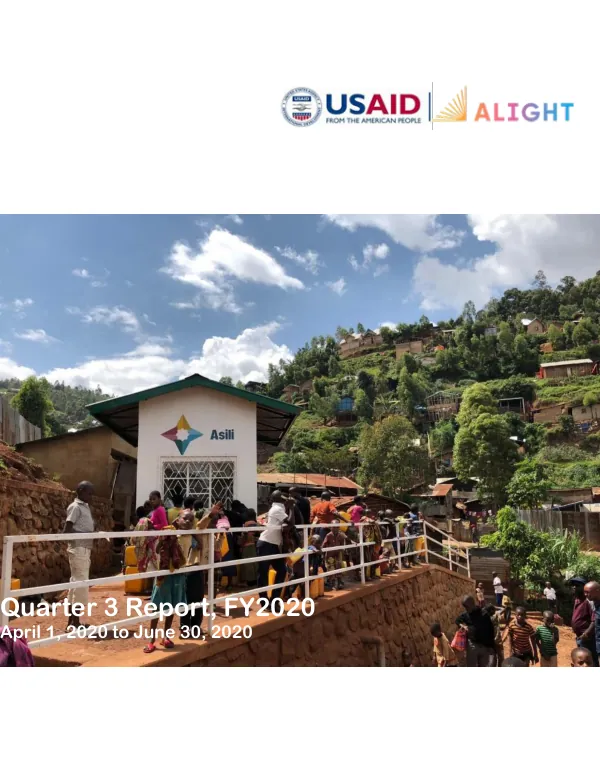
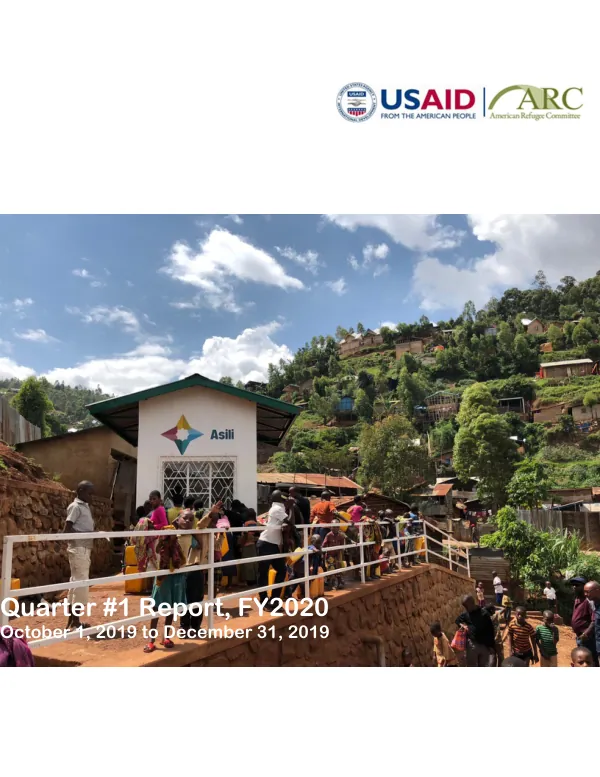
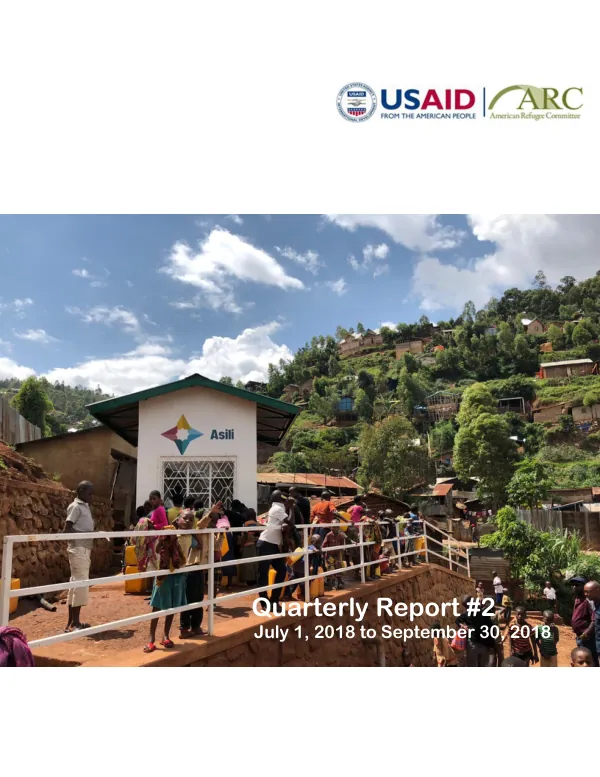
The Asili Social Enterprise Model is a social enterprise concept developed by the American Refugee Committee (ARC) and partners to provide opportunities to the eastern region of the Democratic Republic of Congo (DRC).
2017 · 43 pages
Sign in to readA free account is required to download.
Abstract
The primary goal of Asili is to develop an integrated, scalable delivery solution to dramatically improve child survival and maternal health in South Kivu, DRC. The model is based on a network approach to basic services, such as clean water and healthcare, and relies on membership fees, income generation activities, and business revenue for sustainability. The Asili approach integrates income generation activities in the form of potato cooperatives with the intention of creating demand for services through the increase in income. The model is currently being implemented in three zones – Karambi, Buhanga, and Mudaka under a cooperative agreement through a Global development Alliance (GDA) which ends in December 2017. In November 2017, the Monitoring, Evaluation, and Coordination Contract (MECC) coordinated an assessment of the Asili Social Enterprise model in collaboration with the USAID/DRC Economic Growth (EG) team. The assessment was conducted within a business model framework focusing on supply, demand, and context (including market), and based on the program’s Theory of Change. The supply side was assessed through a mix of quantitative and qualitative information obtained through financial documents, including a revenue and expense analysis, and site visits by USAID, as well as key informant interviews with program and business staff conducted by MECC. MECC assessed the demand side through the development of customer questionnaires administered at water distribution points, clinics, and businesses buying water and potatoes in bulk. Customer feedback was complemented by a rapid assessment of competitor proximity and pricing. In total, the MECC team interviewed 60 customers at three water distribution sites, 27 clients at three Asili Health Clinics, 7 individuals representing businesses that purchase both water and Irish potatoes, and 6 Asili employees. The assessment identified several key findings related to the supply, demand, and context of the Asili model. The Asili brand is perceived as a mark of quality across all products and services by current customers. The water is considered to be extremely clean, as confirmed by bi-monthly testing by the Red Cross; the clinics are considered superior in infrastructure and equipment compared to other clinics in the area; and the Irish potatoes are selected by local restaurants and hotels due to their higher quality compared to others available on the local market. Maintaining positive brand recognition will be important in sustaining and expanding Asili’s market. The revenue and expense analysis conducted by USAID/DRC’s EG team revealed that the Asili model is expected to operate at a loss in rural zones, but is expected to provide enough income to maintain an overall profit in urban zones. However, the analysis also identified several concerns, including the expected increase in membership fees and the cost of administering the membership structure, as well as the fact that the health clinics have historically operated at a loss. The assessment also identified several lessons learned that can be applied to future programming, particularly as they pertain to adaptability and sustainability. These lessons include the importance of maintaining positive brand recognition, the need to increase revenue and reduce costs, and the importance of adapting the model to different contexts and markets. The assessment also identified several strengths, weaknesses, opportunities, and threats within each of the specific three sectors in which Asili works: agriculture, health, and water. The assessment concluded that the Asili model is viable in rural areas, but that the model's recent progression towards peri-urban and urban areas may be the "sweet spot" in terms of generating enough client volume to make the model sustainable. However, further analysis is needed to determine the extent to which the model can be adapted to different contexts and markets.
Related documents