UNITED NATIONS ENVIRONMENTAL PROGRAMME , NAIROBI
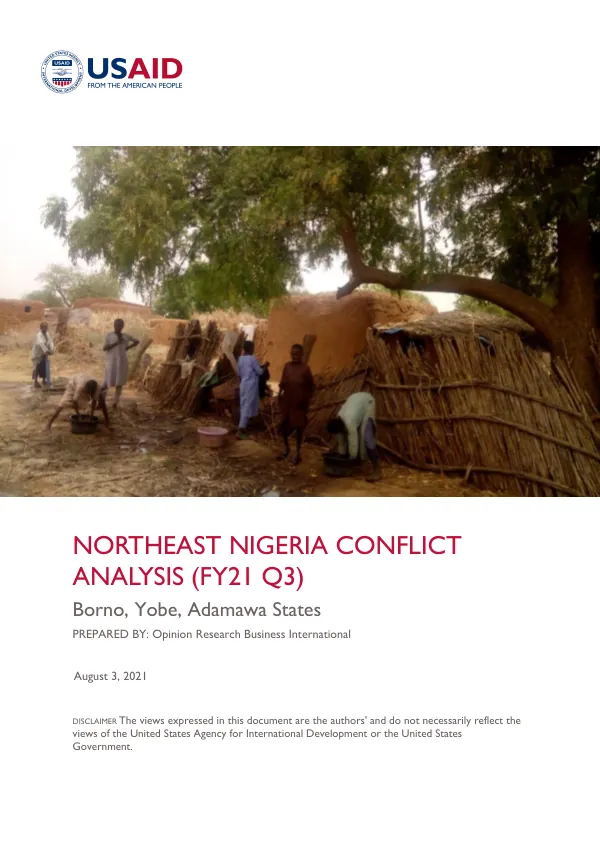
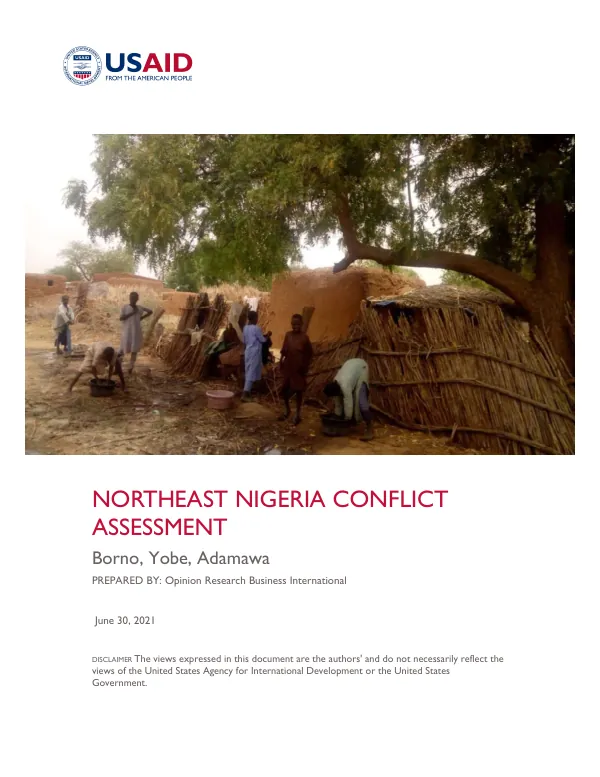
Northeast Nigeria Conflict Assessment, FY21 Q2 Final
The BAY states of northeastern Nigeria, comprising Borno, Adamawa, and Yobe, have been significantly impacted by the ongoing insurgency.
2021 · 42 pages
Sign in to readA free account is required to download.
Abstract
The region has experienced a complex humanitarian emergency, with nearly $500 million in annual USAID/State assistance. The conflict has been driven by various factors, including violent extremism, economic needs, and security concerns. Violent extremism has been a major driver of conflict in the region, with groups such as Boko Haram and the Islamic State West Africa (ISWAP) perpetrating attacks on civilians and security forces. The level of violence has decreased from its 2015 high point, but the threat of VEO attack and attendant security restrictions on the movement of people and goods have created a worrying level of dependence on humanitarian assistance in many communities. Economic needs remain a significant concern in the region, with poverty, unemployment, and limited access to basic services exacerbating the vulnerability of local populations to violent extremism. The conflict has also created new material vulnerabilities, including displacement, food insecurity, and limited access to healthcare. The conflict drivers in the BAY states are complex and multifaceted, with each state having its own specific set of challenges. Borno state has been the most affected by the insurgency, with a high level of ongoing VE activity and the presence of security forces. Adamawa and Yobe states have also been impacted, with growing evidence of new conflicts emerging out of pastoralist/farmer conflicts in neighboring states. The report highlights the need for better and more systematic data on the drivers of conflict in the region, particularly issues affecting youth and recent Internally Displaced Persons (IDPs) returnees. The status of these individuals is likely to be bellwethers of impending future conflict, and there is a growing need to address latent, non-VE conflict drivers that will become only more important as the insurgency fades. The report also emphasizes the importance of expanded local peacebuilding efforts in the mid-term, particularly in areas where civilian casualties have decreased and a growing population of returnees is creating opportunities for peacebuilding initiatives. However, the success or failure of these initiatives will rest on the question of whether sufficient efforts are made to address latent, non-VE conflict drivers. The BAY states have a long history of conflict, with the first conflict and violent extremism assessments using the Conflict Assessment Framework (CAF) conducted in 2013. The region has been the focus of significant programming resources, including the USAID/Nigeria Counting Violent Extremism (CVE) assessments and the 2014 USAID/Nigeria cross-sectoral conflict assessment. The report highlights the need for a more nuanced understanding of the conflict drivers in the region, including the role of non-VE conflict drivers such as pastoralist/farmer conflicts and land tenure issues. The report also emphasizes the importance of addressing the root causes of the conflict, including poverty, unemployment, and limited access to basic services. The BAY states are at the center of a region-wide, complex humanitarian emergency, with nearly $500 million in annual USAID/State assistance. The conflict has been driven by various factors, including violent extremism, economic needs, and security concerns. The report highlights the need for a more comprehensive understanding of the conflict drivers in the region and the importance of addressing the root causes of the conflict.