USAID DEC
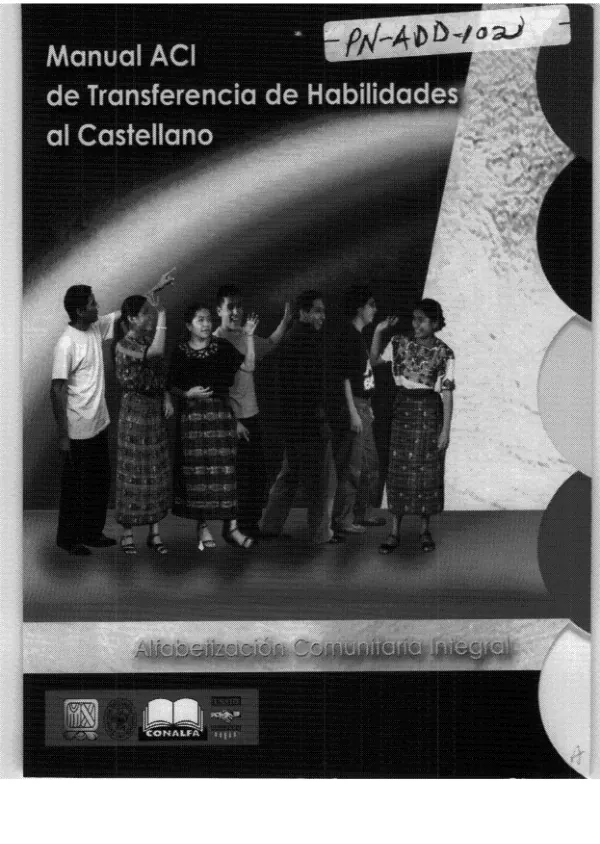
Oríentaciones para la lectura y escritura en la lengua castellana
The importance of proper pronunciation and vocabulary in the context of agricultural development cannot be overstated.
84 pages
Sign in to readA free account is required to download.
Abstract
Inadequate communication can lead to significant misunderstandings and hinder the effectiveness of interventions. Therefore, this section of the process focuses on teaching individuals to communicate accurately in the local language, which is essential for successful implementation. By learning to express themselves effectively in the local dialect, individuals can better understand and address the specific needs of their communities. Proper communication is crucial for effective agricultural development, as it enables farmers to access critical information and resources. Inadequate communication can lead to misunderstandings and hinder the adoption of new practices. To address this challenge, the initiative has implemented a comprehensive training program that focuses on teaching farmers to communicate effectively in the local language. This program includes instruction on vocabulary, pronunciation, and grammar, as well as practical exercises to reinforce learning. The initiative has also recognized the importance of addressing the specific needs of women-headed households, which represent 38% of participants. These households have shown higher adoption rates for all practices except mechanical land preparation, highlighting the need for targeted support and resources. By addressing the unique challenges faced by women-headed households, the initiative can ensure that all participants have equal access to benefits and opportunities. In addition to communication and community engagement, the initiative has also focused on addressing the technical challenges faced by farmers. This includes providing training on sustainable agriculture techniques, such as composting and crop rotation, as well as supporting the development of infrastructure and market linkages. By addressing these technical challenges, the initiative can help farmers to increase their yields and improve their livelihoods.
Related documents