USAID
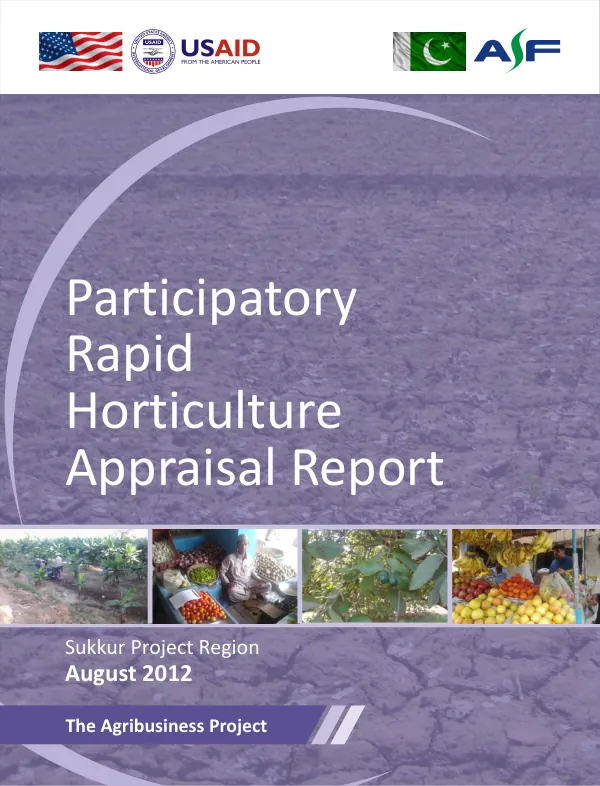
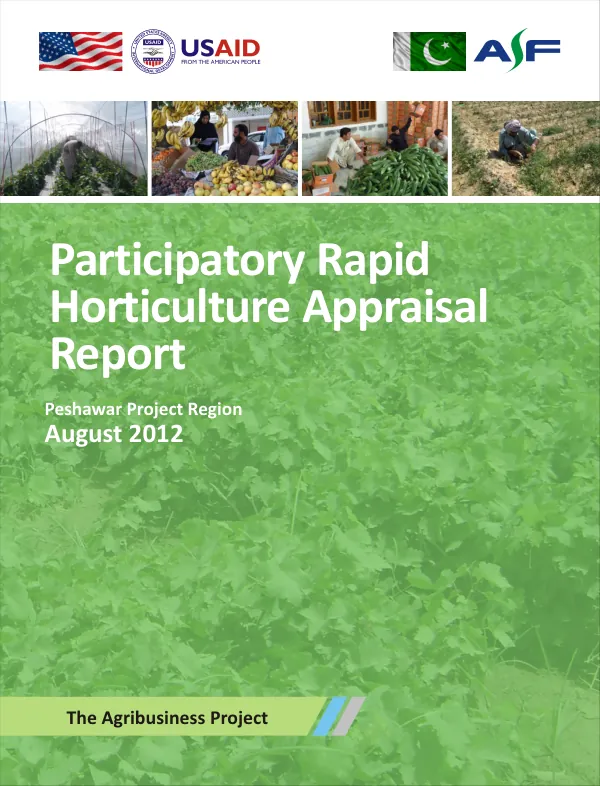
Participatory Rapid Horticulture Appraisal Report of Peshawar Project Region
The Peshawar Project Region is a key area for horticulture development in Khyber Pakhtunkhwa province, covering central, eastern, and northern parts of the province.
2012 · 29 pages
Sign in to readA free account is required to download.
Abstract
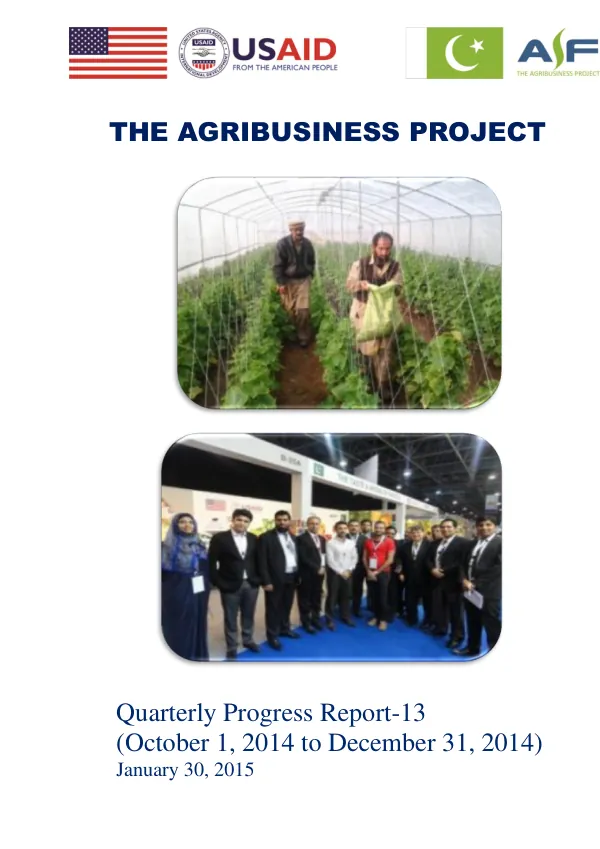
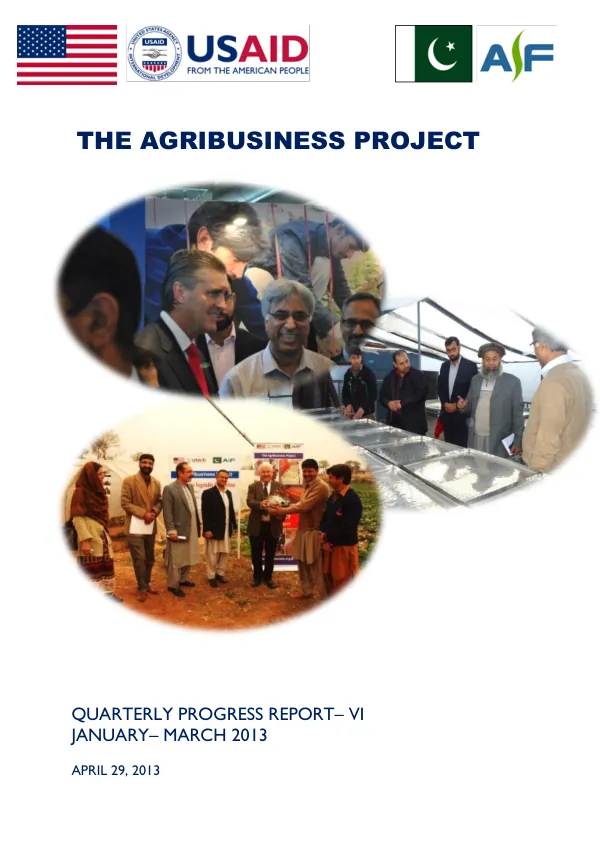
The region consists of 17 districts and three Tribal agencies. The Agribusiness Project, funded by the United States Agency for International Development (USAID), aims to support improved conditions for broad-based economic growth, create employment opportunities, and contribute to poverty alleviation through increased competitiveness of horticulture and livestock value chains. A Participatory Rapid Horticulture Appraisal (PRHA) was conducted in the Peshawar Project Region to identify and prioritize horticulture value chains, opportunities, and constraints. The PRHA methodology involves probing, analysis, and validation of information as it unfolds during field work. Seven factors were applied in the prioritization of value chains, including employment generation, commercial worth, percentage of small farmers associated, women involvement, households associated with the value chains, understanding growth potential, and vulnerability of the concerned value chains. The analysis of secondary data and primary appraisals revealed that peach, citrus, strawberries, apple, melon, and apricots are the priority value chains in the Peshawar Project Region. In vegetables, potato, tomato, and onion have been identified as the priority crops, having productive potential and scale/size of economies as well as potential for enhancing productivity and profitability. Other crops, such as off-season seasonal vegetables, may also have potential for higher income due to higher prices in the market during off-season. The Peshawar Project Region offers varied climatic zones, close proximity to growing markets, lower production costs due to cheap labor, and availability of water, providing good opportunities to grow a variety of products round the year and capture larger share of niche markets. However, the region faces key constraints, including poor quality of produce often failing to meet export standards, perishability of produce requiring efficient handling, low level of value addition and processing, and poor marketing, resulting in poor performance of the sub-sectors as a whole. The existing marketing mechanism in the region is performed by traditional ways, such as rough harvesting and handling methods, rudimentary grading, and poor quality packing, which reduce marketability and lead to lower prices in the market. Absence of enabling policies, ineffective approaches towards improving and sustaining product quality, and lack of reliable updated market information impede farmers' ability to take maximum benefits they deserve. Strengthening market information systems can play a vital role in increasing returns to growers of fruits and vegetables, ultimately improving the living standard of the rural population and bringing prosperity to the country. The Agribusiness Project aims to strengthen the capacity in horticulture and livestock value chains to increase sales to domestic and foreign markets, strengthen the capacity of smallholders and farmer enterprises to operate autonomously and effectively, and increase agriculture efficiency and productivity through adoption of new farming techniques and technological innovation among targeted beneficiaries. The project has launched a preparatory program to gauge the potential of the sub-sector and prioritize value chains in the context of various project regions, including the Peshawar Project Region.