USAID DEC
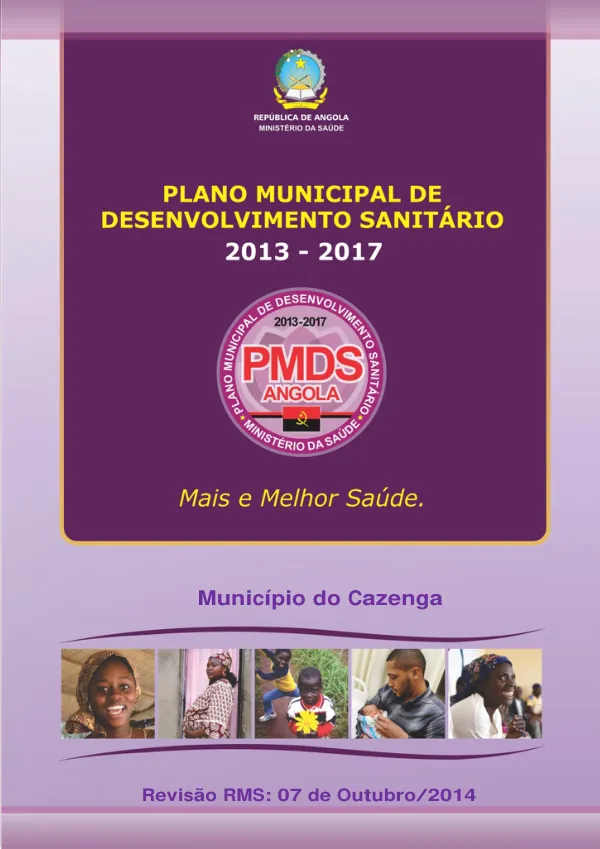
Plano Municipal de Desenvolvimento da Saúde (PMDS) do Município do Cazenga
Município do Cazenga is a municipality located in Angola, with a population of approximately 1.5 million people.
2014 · 51 pages
Sign in to readA free account is required to download.
Abstract
The municipality is characterized by a diverse geography, with a mix of urban and rural areas. The climate is tropical, with high temperatures and high humidity levels throughout the year. The municipality has a total area of 1,800 square kilometers, with a population density of 833 people per square kilometer. The population is predominantly rural, with 70% of the population living in rural areas. The municipality has a high rate of poverty, with 60% of the population living below the poverty line. The municipality has a well-established healthcare system, with a network of health centers and hospitals providing a range of services, including maternal and child health, infectious disease control, and chronic disease management. The healthcare system is staffed by a team of healthcare professionals, including doctors, nurses, and community health workers. The municipality has a high burden of infectious diseases, including malaria, diarrhea, and respiratory infections. The municipality also has a high rate of maternal and child mortality, with a maternal mortality ratio of 450 deaths per 100,000 live births. The municipality has a number of health programs in place to address these issues, including a malaria control program and a maternal and child health program. The municipality has a strong focus on community-based health care, with a network of community health workers providing health education and outreach services to the community. The community health workers are trained to provide a range of services, including health education, disease surveillance, and referral services. The municipality has a number of partnerships in place to support the delivery of healthcare services, including partnerships with non-governmental organizations and the private sector. The municipality also has a number of health infrastructure projects in place, including the construction of new health centers and the upgrading of existing facilities. The municipality has a strong focus on health education and promotion, with a range of programs in place to promote healthy behaviors and prevent disease. The municipality also has a number of health research projects in place, including studies on the burden of disease and the effectiveness of health interventions. The municipality has a number of health indicators that are used to monitor the health status of the population, including infant mortality rates, maternal mortality rates, and life expectancy at birth. The municipality also has a number of health targets that are used to guide health policy and programming, including reducing the burden of infectious diseases and improving maternal and child health outcomes. The municipality has a number of health services that are available to the population, including maternal and child health services, infectious disease control services, and chronic disease management services. The municipality also has a number of health infrastructure projects in place, including the construction of new health centers and the upgrading of existing facilities. The municipality has a strong focus on health system strengthening, with a range of programs in place to improve the capacity of the healthcare system to deliver high-quality services. The municipality also has a number of partnerships in place to support the delivery of healthcare services, including partnerships with non-governmental organizations and the private sector. The municipality has a number of health policies and guidelines in place to guide health programming and service delivery, including policies on maternal and child health, infectious disease control, and chronic disease management. The municipality also has a number of health regulations in place to ensure the quality and safety of healthcare services, including regulations on the use of medical equipment and the handling of medical waste.