USAID DEC
Posters for Newborn Health
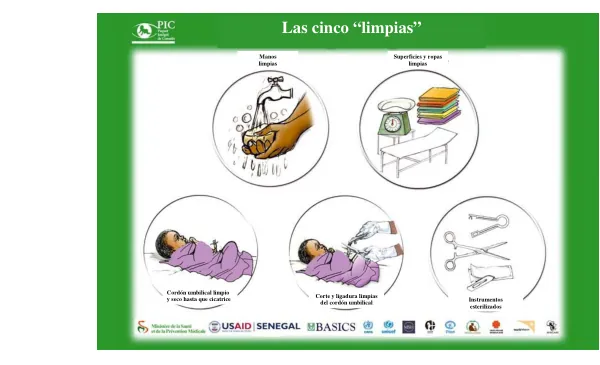
Proper cord clamping and umbilical cord care are crucial for newborn health.
1 pages
Sign in to readA free account is required to download.
Abstract
The World Health Organization recommends a clean cut and tie of the umbilical cord. This involves a clean cut of the umbilical cord stump, followed by a clean tie with a cord clamp. The clamp should be applied firmly enough to stop bleeding but not so tightly that it cuts off circulation. The World Health Organization also recommends that the umbilical cord stump be kept clean and dry. This can be achieved by gently cleaning the area with soap and water, and then drying it thoroughly. The umbilical cord stump should be kept clean and dry until it falls off, which is usually within 7-10 days. The World Health Organization also emphasizes the importance of proper cord care to prevent infection. This includes keeping the area clean and dry, and avoiding the use of harsh chemicals or soaps. The umbilical cord stump should be kept clean and dry until it falls off, and the area should be monitored for signs of infection. The World Health Organization also recommends that the umbilical cord stump be kept away from the baby's diaper area to prevent contamination. This can be achieved by using a barrier cream or ointment to protect the area. The umbilical cord stump should be kept clean and dry until it falls off, and the area should be monitored for signs of infection. The World Health Organization emphasizes the importance of proper cord care to prevent infection and promote healing. Proper cord care can help prevent complications such as infection, abscesses, and delayed healing. Proper cord care is an important part of newborn care, and it is essential to follow proper guidelines to ensure the best possible outcome for the baby.
Related documents