USAID DEC
Protecting Malawi's Youth: Sexual and Reproductive Health Services
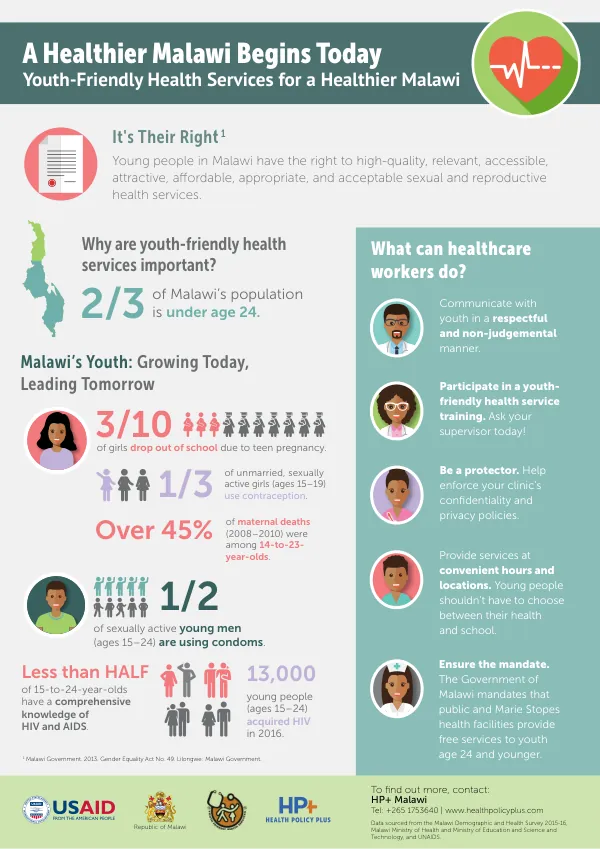
Healthcare providers play a crucial role in supporting the health and well-being of young people in Malawi.
2018 · 1 pages
Sign in to readA free account is required to download.
Abstract
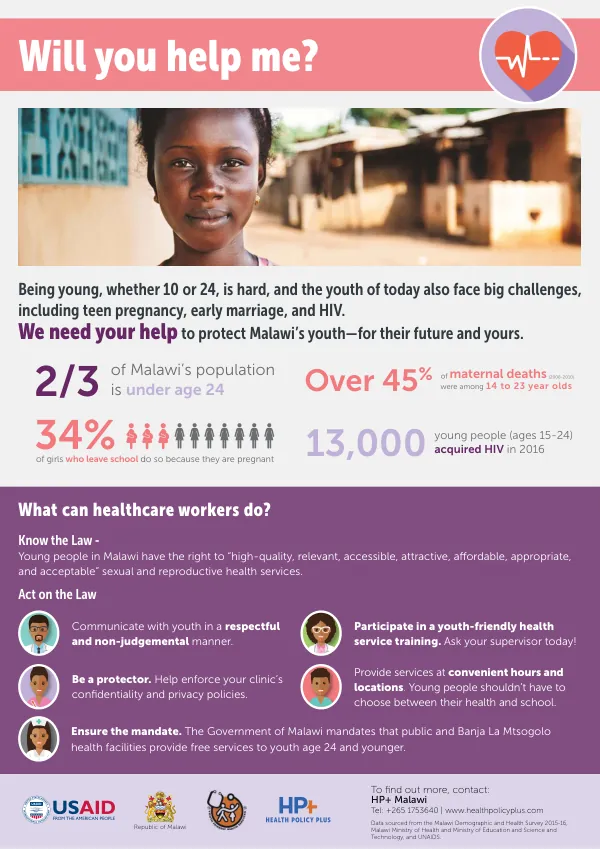
They can communicate with patients in a respectful and non-judgmental manner, creating a safe and welcoming environment for them to discuss their health concerns. This approach helps build trust and encourages young people to seek necessary care. Healthcare providers can also participate in training programs that focus on delivering youth-friendly health services. These programs equip them with the skills and knowledge needed to address the unique health needs of young people. By asking their supervisor about available training opportunities, healthcare providers can take the first step in enhancing their services. Protecting the confidentiality and privacy of young patients is essential, as they may be vulnerable to stigma and discrimination. Healthcare providers must adhere to their clinic's confidentiality and privacy policies to ensure that patients feel secure and supported. Providing health services at convenient hours and locations is also vital. Young people often have busy schedules, balancing school and other responsibilities. By offering flexible service hours and locations, healthcare providers can make it easier for young people to access the care they need without having to choose between their health and education. The Government of Malawi has mandated that public and private health facilities provide free services to youth under the age of 24. This policy ensures that young people have access to essential health services, including reproductive health services. Healthcare providers can familiarize themselves with this policy and work to ensure that it is implemented effectively. Young people in Malawi face significant challenges, including teen pregnancy, early marriage, and HIV. These issues can have severe consequences for their health, education, and future prospects. By providing high-quality, youth-friendly health services, healthcare providers can play a critical role in protecting the health and well-being of young people. According to the Malawi Demographic and Health Survey 2015-16, the majority of the population is under the age of 24. This demographic trend highlights the importance of investing in youth health services. In 2016, over 13,000 young people (ages 15-24) acquired HIV, and maternal deaths among young women were disproportionately high. Additionally, nearly 45% of girls who leave school do so due to pregnancy. These statistics underscore the need for effective health interventions that address the unique needs of young people. Healthcare providers can make a significant difference by advocating for the rights of young people to access high-quality, relevant, and affordable health services. By doing so, they can help protect the health and well-being of young people, not only for their future but also for the future of their communities.