USAID DEC
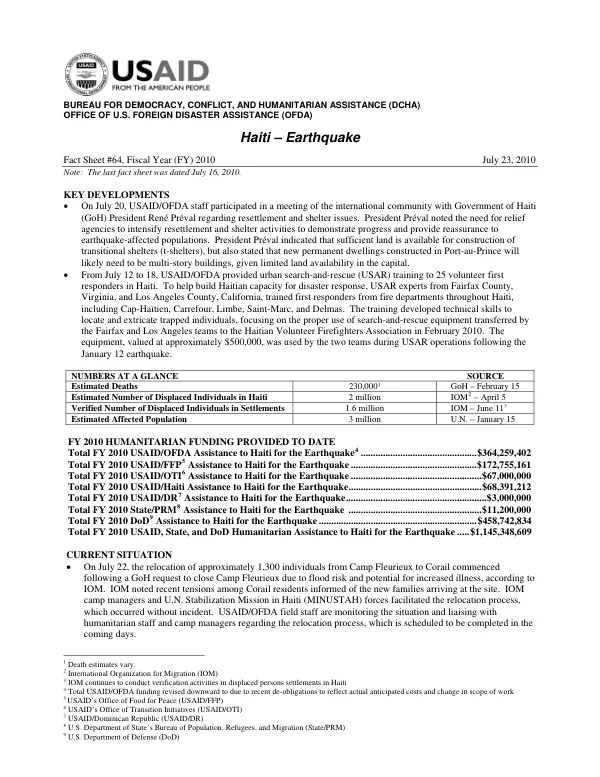
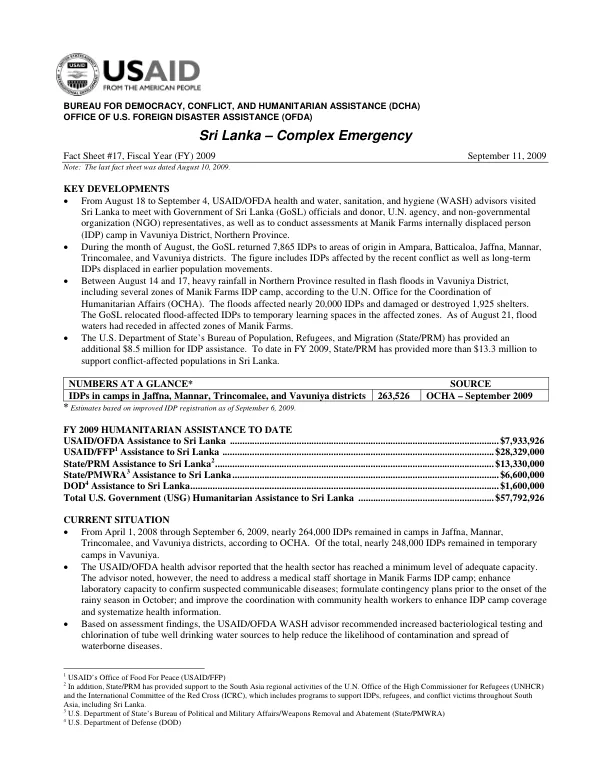
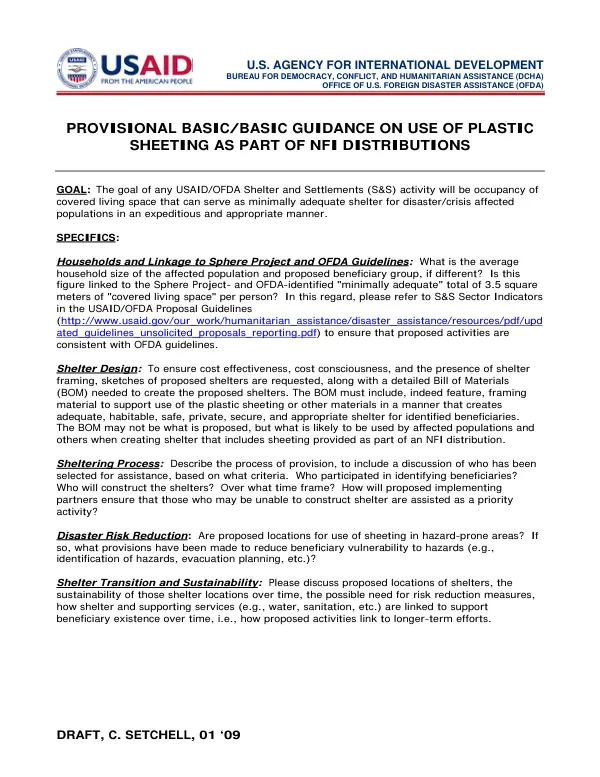
Provisional Basic/Basic Guidance on Use of Plastic Sheeting as Part of NFI Distributions
Sign inUSAID
Provisional Basic/Basic Guidance on Use of Plastic Sheeting as Part of NFI Distributions
The goal of any USAID/OFDA Shelter and Settlements (S&S) activity is occupancy of covered living space that can serve as minimally adequate shelter for disaster/crisis affected populations in an expeditious and appropriate manner.
2009 · 1 pages
Sign in to readA free account is required to download.
Abstract
This goal is based on the Sphere Project and OFDA guidelines, which identify a minimum of 3.5 square meters of covered living space per person as the standard for minimally adequate shelter. Household size is a critical factor in determining the amount of shelter required. The average household size of the affected population and proposed beneficiary group must be considered, and this figure must be linked to the Sphere Project and OFDA-identified standard of 3.5 square meters of covered living space per person. The USAID/OFDA Proposal Guidelines provide Sector Indicators that must be consulted to ensure consistency with OFDA guidelines. Shelter design is also a critical aspect of S&S activities. To ensure cost effectiveness and cost consciousness, sketches of proposed shelters are requested, along with a detailed Bill of Materials (BOM) needed to create the proposed shelters. The BOM must include framing material to support the use of plastic sheeting or other materials in a manner that creates adequate, habitable, safe, private, secure, and appropriate shelter for identified beneficiaries. The sheltering process involves the provision of shelter to selected beneficiaries, based on specific criteria. The process includes identifying beneficiaries, constructing shelters, and ensuring that those who may be unable to construct shelter are assisted as a priority activity. Implementing partners must ensure that proposed activities are consistent with OFDA guidelines and that beneficiaries are provided with adequate shelter in a timely manner. Disaster risk reduction is also an essential consideration in S&S activities. Proposed locations for the use of sheeting in hazard-prone areas must be identified, and provisions must be made to reduce beneficiary vulnerability to hazards. This may include the identification of hazards, evacuation planning, and other risk reduction measures. Shelter transition and sustainability are also critical aspects of S&S activities, and proposed locations of shelters must be discussed, along with the sustainability of those shelter locations over time. The possible need for risk reduction measures and the link between shelter and supporting services, such as water and sanitation, must also be considered.
Related documents