FHI 360
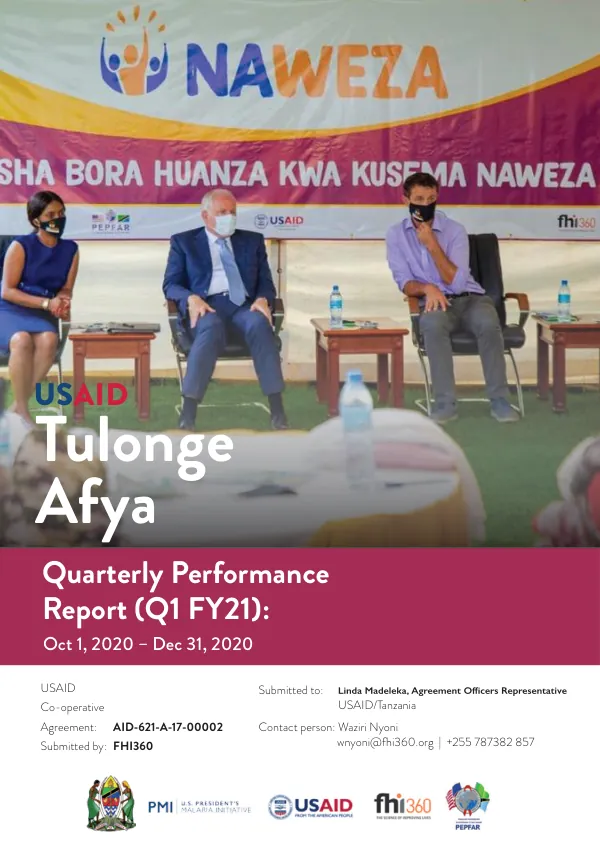
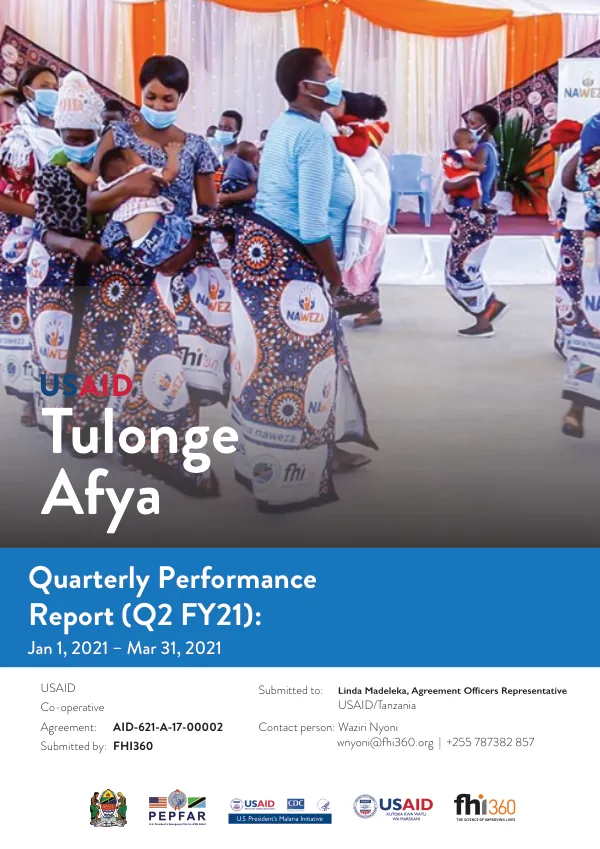
Quarterly Performance Report (Q2 FY21): USAID Tulonge Afya
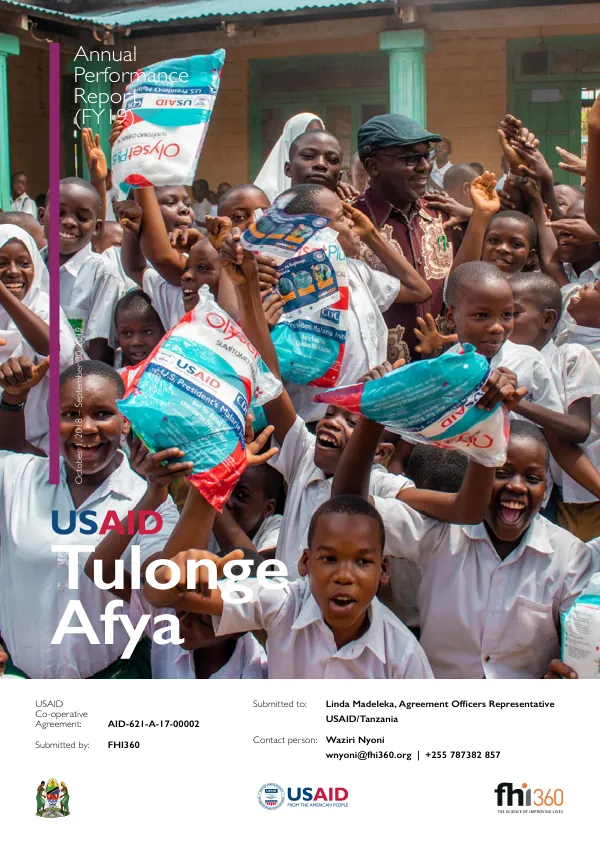
The USAID Tulonge Afya project in Tanzania aims to improve the health and well-being of Tanzanians, particularly in the areas of HIV/AIDS, maternal and child health, and family planning.
2021 · 77 pages
Sign in to readA free account is required to download.
Abstract
The project is implemented by FHI360, a non-profit organization, and is funded by the United States Agency for International Development (USAID) under Cooperative Agreement No. AID-621-A-17-00002. The project focuses on three main results: improving the ability of individuals to practice healthy behaviors, strengthening community support for healthy behaviors, and improving systems for coordination and implementation of SBC interventions. To achieve these results, the project implements various activities, including the NAWEZA adult platform, the SITETEREKI youth platform, and the FURAHA YANGU SBC activities. The NAWEZA adult platform aims to promote healthy behaviors among adults, particularly in the areas of HIV/AIDS, maternal and child health, and family planning. The platform uses a combination of digital and community-based approaches to reach a wide audience. The SITETEREKI youth platform, on the other hand, targets young people aged 15-24 and aims to promote healthy behaviors and prevent HIV/AIDS. The FURAHA YANGU SBC activities focus on promoting healthy behaviors and preventing HIV/AIDS among key populations, including men, women, and adolescents. The project also implements community-level activities, including the delivery of health services, the promotion of healthy behaviors, and the support of community leaders. The project uses a variety of monitoring and evaluation tools to track its progress and ensure that it is meeting its objectives. These tools include the project's M&E system, which tracks the project's activities and outcomes, and the National DHIS2, which provides data on health outcomes and trends. In the second quarter of FY21, the project achieved several key milestones, including the distribution of print materials, the airing of radio spots, and the implementation of community-level activities. The project also reached a significant number of people through its social media platforms and interpersonal communication activities. The project's success is evident in the data, which shows an increase in the number of people reached through the project's activities, as well as an improvement in health outcomes, such as an increase in HIV testing and a decrease in malaria cases. The project's community-level activities have also been successful, with a high level of participation from community members and leaders. The project's upcoming activities in Q3 include the continuation of community-level activities, the implementation of new SBC tools and messages, and the strengthening of institutional capacity to design and implement SBC interventions. The project also plans to continue its monitoring and evaluation activities to ensure that it is meeting its objectives and making progress towards its goals. Overall, the USAID Tulonge Afya project is making significant progress towards its objectives and is having a positive impact on the health and well-being of Tanzanians. The project's community-level activities, SBC interventions, and monitoring and evaluation tools are all contributing to its success, and the project is well-positioned to continue making progress in the coming quarters. The project's geographic focus is on the 29 Enhanced Districts in Tanzania, where the project is working to improve health outcomes and promote healthy behaviors. The project's timeframes are quarterly, with the second quarter of FY21 being the focus of this report. The project's recommendations for future activities include the continuation of community-level activities, the implementation of new SBC tools and messages, and the strengthening of institutional capacity to design and implement SBC interventions. The project also recommends continuing its monitoring and evaluation activities to ensure that it is meeting its objectives and making progress towards its goals.