THE HEALTH POLICY PROJECT
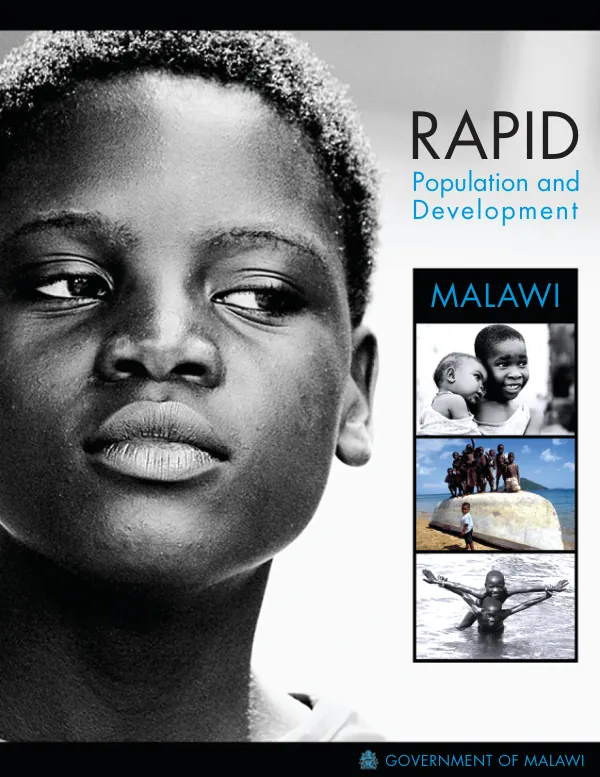
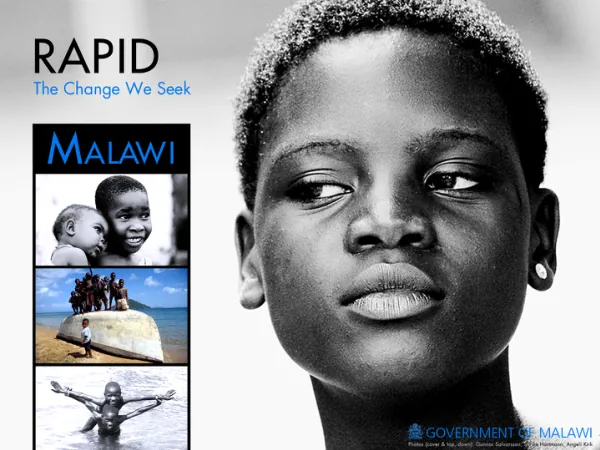
RAPID Malawi Presentation on Impact of Population Growth
Malawi's population is projected to triple by 2040, from approximately 13 million people in 2008 to 38 million.
2012 · 29 pages
Sign in to readA free account is required to download.
Abstract
The country's annual population growth rate is 2.6%, with 52% of the population under the age of 18. The total fertility rate is 5.7 births per woman, and 26% of teenagers between the ages of 15 and 19 have begun childbearing. The HIV prevalence rate is 10.6%. The primary factor contributing to the high population growth rate is the low rate of contraceptive use. Despite the fact that many women in Malawi want to limit or delay births, only a small percentage are using contraceptives. In fact, more than two in five births in Malawi are unintended or arrive too soon. The country has a well-established culture of contraceptive use, but there is potential to increase the rate of use. The Malawi Demographic and Health Survey (DHS) 2010, the 2008 Census, and the United Nations AIDS (UNAIDS) organization are the sources of the data used to inform these statistics. The population growth rate and population projections are based on projections from the 2008 Malawi Census and the Population Triples by 2040 report. The growth and development strategy in Malawi is focused on reducing poverty through economic growth and infrastructure development. The country aims to become a middle-income economy by 2040, with a strong focus on social and economic development. The government has set a goal of achieving a 50% reduction in poverty by 2030. The current situation in Malawi is characterized by a high population growth rate, a large youth population, and a high HIV prevalence rate. The country faces significant challenges in terms of poverty reduction, economic growth, and social development. However, there is potential for growth and development, particularly in the area of contraceptive use and family planning.